
 Oil On CanvasWallArtBaroque Neoclassicism
 1634High Medieval
 1898.0 x 1575.0 cm
 Toledo meno muziejus
Muziejų lygio „giclée“ arba drobos spausdinimas: greita gamyba ir lankstios apdailos parinktys. ( Pirkti rankomis tapytą paveikslą Pirkti vaizdą)





























Pasirinkite iš mūsų nustatytų dydžių, atitinkančių originalaus meno kūrinio proporcijas.

Galite nurodyti savo matmenis, kad vaizdas atitiktų konkretų rėmą ar erdvę. Jei pasirinktas dydis nesutaps su originalaus paveikslėlio proporcijomis, mes arba apkirpsime kūrinį, arba išplėsime vaizdą naudojant veideliu atspindėtą arba vientisą šoną. Skaitmeninis maketas bus išsiųstas jums patvirtinti prieš pradedant gamybą.
Atkreipkite dėmesį, kad ekrane matomas vaizdinys neatspindi tikrojo apkirpimo ar išplėtimo. Tik maketas tiksliai parodytų galutinę kompoziciją.
Nors galima rinktis ir individualius dydžius, rekomenduojame pasirinkti vieną iš išanksti nustatytų matmenų, kad būtų išlaikytos originalios proporcijos.
Pristatymas visame pasaulyje () per 2 weeks, o ne įprastas 4/5 savaičių laikotarpis. (18 rugpjūtis)


Mars and Venus
Reprodukcijos matmenys
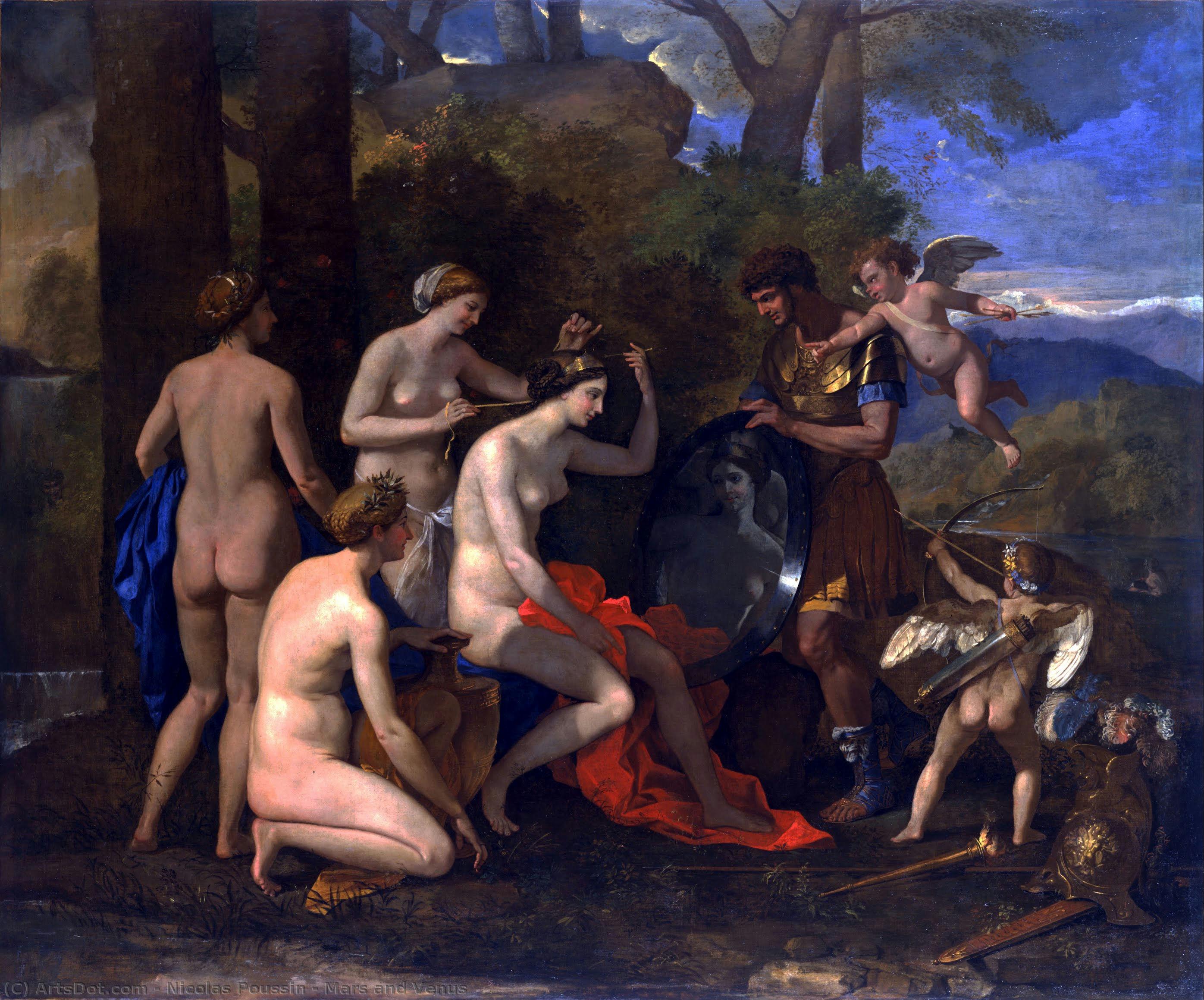
Nicolas Poussin's "Mars and Venus," completed in 1634, isn’t merely a painting; it’s an invitation into a realm of classical mythology rendered with breathtaking serenity and intellectual depth. Now residing within the Toledo Museum of Art, this oil on canvas masterpiece transcends its historical context to resonate powerfully with viewers today. The scene unfolds within a meticulously crafted forest setting – a deliberate choice by Poussin that immediately establishes a sense of timelessness and quiet contemplation. The composition is remarkably balanced, drawing the eye towards the central figures of Mars, the god of war, and Venus, goddess of love, who are not engaged in a violent confrontation as one might expect, but rather exist in a state of almost languid grace.
Poussin’s genius lies not just in his technical skill, but in his profound understanding and deployment of symbolism. The pairing of Mars and Venus is itself laden with meaning – a potent representation of the eternal struggle between opposing forces: war and love, aggression and harmony. Yet, Poussin subtly subverts this traditional dichotomy. Venus isn’t depicted as a passive object of desire; she holds dominion over the scene, radiating an aura of serene power. Mars, while still embodying his warrior identity, is shown relinquishing his weapons – a sword, spear, and helmet are scattered on the ground, suggesting that love possesses the capacity to conquer even the most formidable adversary. The presence of several nude women, some interpreted as angels or goddesses, further amplifies this theme of divine influence and the transformative power of beauty.
Poussin’s technical prowess is immediately evident in the painting's luminous quality. He expertly employs oil on canvas to create a depth of color and texture that feels remarkably tactile. The use of *chiaroscuro* – the dramatic interplay of light and shadow – sculpts the figures, lending them an almost sculptural presence. Notice how Poussin masterfully utilizes atmospheric perspective; distant trees fade into a hazy blue, creating a sense of vastness and reinforcing the painting’s timeless setting. The brushwork itself is remarkably controlled, conveying both movement and stillness simultaneously. This meticulous attention to detail reflects Poussin's deep admiration for classical antiquity, particularly the idealized forms and balanced compositions found in Roman sculpture. He consciously emulated the restraint and clarity of artists like Raphael and Michelangelo, adapting their principles to his own unique vision.
“Mars and Venus” stands as a pivotal work within Poussin’s oeuvre and a cornerstone of Neoclassical art. It exemplifies his ability to distill complex mythological narratives into visually harmonious compositions, prioritizing intellectual clarity and emotional resonance over dramatic spectacle. His interest in classical themes—as evidenced by works like “The Triumph of Neptune” (a detail of which can be found at the Philadelphia Museum of Art) and "Selene and Endymion" (located at the Institute of Arts in Detroit)—established a new standard for artistic representation, influencing generations of artists to come. Today, reproductions of this iconic painting offer a remarkable opportunity to experience Poussin’s genius firsthand, bringing a touch of timeless beauty and profound contemplation into any space. BuyPopArt offers meticulously crafted hand-painted reproductions that faithfully capture the essence of this extraordinary masterpiece.
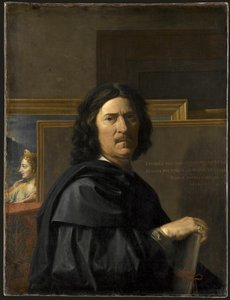
1594 - 1665 , Prancūzija

Explore the life & work of Nicolas Poussin, a master of French Classicism. Discover his allegorical paintings, Roman influences, and enduring impact on art history. Expert analysis & insights.

Explore the captivating world of Baroque Classicism! Discover its history, key artists like Caravaggio & Rubens, and defining characteristics. Expert insights & high-quality reproductions at BuyPopArt.

Explore the captivating history of mythological narratives in Western art! From ancient Greece to modern masterpieces, discover iconic artworks & symbolism. Expert analysis and high-quality reproductions at BuyPopArt.

Explore the enduring legacy of Classicism in Western art! Discover its historical context, key principles, iconic masterpieces & lasting influence. Learn about Renaissance and Neoclassical movements with BuyPopArt.

Atraskite baroko dramatiškumą! Meno konsultacijos, rankų darbo reprodukcijos ir patarimai, kaip įnešti eleganciją bei emocijas į jūsų interjerą su BuyPopArt.com. Kokybė garantuota!


Sekite naujausias meno naujienas, išskirtinius pasiūlymus ir dekoravimo idėjas.
Pasakokite mums apie savo projektą, o mūsų meno ekspertai parengs jums 3 asmeniškus meno pasiūlymus.
Leiskite mums parinkti 3 variantus būtent jums – nemokamai!


 Peržiūrėti realybėje
 Pasidalinti
 Dalintis
 Išsamiau

 Atsisiųsti
 Panašūs eksponatai
 Rentgeno nuotrauka
 Automatinė diorama
 Skaityti daugiau







 Stiklo variantas prieinamas tik pasirinkus dydį iki 110 cm


