

 Aliejus ant drobėsSieninis menasBaroque
 1629Ankstyvasis modernusis laikotarpis
 98.0 x 130.0 cm
 Alte Pinakothek
Įsigykite aukštos skiriamosios raiškos, patobulintą skaitmeninį vaizdą, gerokai pranašesnį už internetinę peržiūrą.
Kiekvieną failą mūsų specialistai kruopščiai paruošia naudojant pažangias technologijas ir profesionalų rankinį retušavimą. Užtikriname, kad kiekvienas vaizdas pasižymėtų išskirtiniu aiškumu, tikslia spalvų atspalviu ir smulkiomis detalėmis.
Baigiamas failas el. paštu pristatomas per 72 valandas; jis optimizuotas nedelsiant naudojimui profesionalioje, redakcinėje ir spausdinimo aplinkoje. Tai ta pati kokybė, kuria pasitiki aukščiausios klasės dizaino studijos, leidyklos ir galerijos.
Atsisiųskite didelės raiškos failą asmeniniam naudojimui, spausdinimui ir kūrybiniams projektams. ( Pirkti spaudinį Pirkti rankomis tapytą paveikslą)
Pasirinkę BuyPopArt.com, jūs ne tik gaunate paveikslėlį – jūs gaunate profesionaliai patobudintą skaitmeninį kūrinį, sukurtą itin tikniai ir užtikrinantį pasitenkinimą. Štai viską, kas automatiškai pritékia jūsų užsakymui:

Jūsų aukštos raiškos skaitmeninis vaizdo failas bus išsiųstas jums el. paštu per 72 valaudas nuo užsakymo – paruoštas naudojimui be jokių papildomų veiksmų.

Jūsų meno kūrinys profesionaliai optimizuojamas naudojant pažangius dirbtinio intelekto įrankius ir rankinį redagavimą, užtikrinant maksimalią detalę, aiškumą ir spalvų tikslumą.

Atsitiktinai ištrytikote ar praradote savo failą? Nebijokite – bet kuriuo metu atsiųsime jį jums vėl nemokamai.

Mėgaukitės savo meno kūriniu akimirka – skaitiniai failai visada yra neapmokestinami, todėl nereikės mokėti muitinės, mokesčių ar pristatymo mokesčių.

Naudodami profesionalią įrangą ir spalvų valdymo sistemas, užtikriname, kad jūsų skaitmeninis vaizdas kuo tiksliau atspindėtų originalias spalvas.

Jei nebuvate patenkinti savo skaitinio vaizdo, per 60 dienų jį pertaisysime arba grąkinsime 100% sumą – be jokių klausimų.

Nepat 만족inti? Gaukite visą sumokėtą sumą per 60 dienų nuo skaitmeninio failo gavimo – be jokių papildomų klausimų.

Pirkti 3 nuotraukas – pasiūla 10% - Pirkti 5 – pasiūla 15% - Pirkti 10 ir daugiau – pasiūla 20%. Puikiai tinka kūrybiniams projektams, galerijoms bei agentūroms.
Nicolas Poussin's "Midas and Bacchus," painted in 1629, vividly portrays a pivotal moment from Greek mythology. The scene depicts King Midas, renowned for his unfortunate wish that everything he touched would turn to gold, seeking redemption from the god of wine and revelry, Bacchus. The painting captures Midas kneeling humbly before Bacchus, seemingly pleading for relief from the curse that has rendered even sustenance unattainable. Bacchus, in turn, appears compassionate, extending a hand towards the suffering king while holding a cup – a symbol of his domain over wine and pleasure, now juxtaposed with Midas's desperate situation. The presence of Silenus, Bacchus’s companion, adds to the mythological richness of the scene, representing wisdom and indulgence. The inclusion of nymphs, fauns, and shepherds populating the idyllic landscape further enhances the narrative depth, grounding the divine encounter within a pastoral setting.
"Midas and Bacchus" exemplifies Poussin's signature style – a blend of classical restraint and Baroque drama. Poussin was deeply influenced by Renaissance art and sought to emulate the clarity, balance, and intellectual rigor of artists like Raphael. This is evident in the painting’s carefully structured composition, where figures are arranged with geometric precision, creating a sense of order and harmony. However, the work also showcases elements characteristic of the Baroque period, such as dramatic lighting and emotional intensity. Poussin's masterful use of oil paint allows for subtle gradations of color and texture, bringing depth and realism to the scene. The meticulous attention to detail in rendering fabrics, foliage, and human anatomy demonstrates his technical skill and dedication to artistic perfection. The overall effect is a visually stunning representation that balances intellectual contemplation with emotional resonance.
Painted during the Baroque era, "Midas and Bacchus" reflects broader cultural trends of the time. The 17th century was marked by religious conflict, political upheaval, and a renewed interest in classical antiquity. Poussin’s work often explored themes of morality, virtue, and human fallibility, drawing inspiration from mythology and history to comment on contemporary society. The story of Midas serves as a cautionary tale about the dangers of greed and unchecked desire – a message that would have resonated with audiences grappling with economic inequality and social unrest. Furthermore, Poussin’s emphasis on classical ideals aligned with the Baroque era's fascination with ancient Greece and Rome, contributing to the revival of classical forms and themes in art.
Beyond its narrative content, "Midas and Bacchus" is rich in symbolic meaning. The golden touch, initially perceived as a blessing, becomes a curse, symbolizing the fleeting nature of material wealth and the importance of appreciating true values. Bacchus’s presence represents both indulgence and divine power – a reminder that even gods can offer mercy to those who demonstrate humility. The idyllic landscape surrounding the figures serves as a backdrop for this profound encounter, highlighting the contrast between the ephemeral pleasures of earthly life and the enduring truths of human existence. Emotionally, the painting evokes a sense of pathos and contemplation. Midas’s despair is palpable, while Bacchus's compassion inspires hope. The overall effect is a deeply moving work that invites viewers to reflect on their own desires, values, and place in the world.
"Midas and Bacchus" remains a celebrated masterpiece of Baroque art, admired for its technical brilliance, intellectual depth, and emotional power. Its enduring appeal lies in its ability to transcend time and culture, offering timeless insights into the human condition. Whether viewed as a historical artifact or a source of artistic inspiration, this painting continues to captivate audiences with its beauty and profound message.
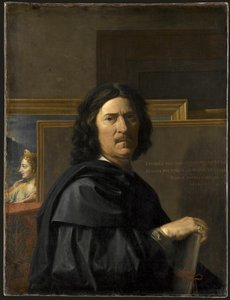
1594 - 1665 , Prancūzija


Sekite naujausias meno naujienas, išskirtinius pasiūlymus ir dekoravimo idėjas.
Pasakokite mums apie savo projektą, o mūsų meno ekspertai parengs jums 3 asmeniškus meno pasiūlymus.
Leiskite mums parinkti 3 variantus būtent jums – nemokamai!


 Peržiūrėti realybėje
 Pasidalinti
 Dalintis
 Išsamiau

 Atsisiųsti
 Panašūs eksponatai
 Rentgeno nuotrauka
 Automatinė diorama
 Skaityti daugiau