

 Oil On CanvasWallArtNaive Art
 1953Modern
 98.0 x 130.0 cm
Įsigykite aukštos skiriamosios raiškos, patobulintą skaitmeninį vaizdą, gerokai pranašesnį už internetinę peržiūrą.
Kiekvieną failą mūsų specialistai kruopščiai paruošia naudojant pažangias technologijas ir profesionalų rankinį retušavimą. Užtikriname, kad kiekvienas vaizdas pasižymėtų išskirtiniu aiškumu, tikslia spalvų atspalviu ir smulkiomis detalėmis.
Baigiamas failas el. paštu pristatomas per 72 valandas; jis optimizuotas nedelsiant naudojimui profesionalioje, redakcinėje ir spausdinimo aplinkoje. Tai ta pati kokybė, kuria pasitiki aukščiausios klasės dizaino studijos, leidyklos ir galerijos.
Atsisiųskite didelės raiškos failą asmeniniam naudojimui, spausdinimui ir kūrybiniams projektams. ( Pirkti spaudinį Pirkti rankomis tapytą paveikslą)
Pasirinkę BuyPopArt.com, jūs ne tik gaunate paveikslėlį – jūs gaunate profesionaliai patobudintą skaitmeninį kūrinį, sukurtą itin tikniai ir užtikrinantį pasitenkinimą. Štai viską, kas automatiškai pritékia jūsų užsakymui:

Jūsų aukštos raiškos skaitmeninis vaizdo failas bus išsiųstas jums el. paštu per 72 valaudas nuo užsakymo – paruoštas naudojimui be jokių papildomų veiksmų.

Jūsų meno kūrinys profesionaliai optimizuojamas naudojant pažangius dirbtinio intelekto įrankius ir rankinį redagavimą, užtikrinant maksimalią detalę, aiškumą ir spalvų tikslumą.

Atsitiktinai ištrytikote ar praradote savo failą? Nebijokite – bet kuriuo metu atsiųsime jį jums vėl nemokamai.

Mėgaukitės savo meno kūriniu akimirka – skaitiniai failai visada yra neapmokestinami, todėl nereikės mokėti muitinės, mokesčių ar pristatymo mokesčių.

Naudodami profesionalią įrangą ir spalvų valdymo sistemas, užtikriname, kad jūsų skaitmeninis vaizdas kuo tiksliau atspindėtų originalias spalvas.

Jei nebuvate patenkinti savo skaitinio vaizdo, per 60 dienų jį pertaisysime arba grąkinsime 100% sumą – be jokių klausimų.

Nepat 만족inti? Gaukite visą sumokėtą sumą per 60 dienų nuo skaitmeninio failo gavimo – be jokių papildomų klausimų.

Pirkti 3 nuotraukas – pasiūla 10% - Pirkti 5 – pasiūla 15% - Pirkti 10 ir daugiau – pasiūla 20%. Puikiai tinka kūrybiniams projektams, galerijoms bei agentūroms.
Pablo Picasso's 1953 painting, "Breakfast," isn’t a grand statement of revolutionary Cubism or a complex exploration of form. Instead, it offers something profoundly more intimate – a quiet tableau of shared humanity rendered with the directness and charm characteristic of Naive Art. This unassuming canvas, measuring just 98 x 130 cm, invites us into a domestic scene brimming with unspoken connection, a testament to Picasso’s ability to distill complex emotions into remarkably simple shapes and colors. It's a piece that immediately draws you in, not with dramatic gestures or bold pronouncements, but with the gentle warmth of a shared meal and the subtle nuances of human interaction.
The painting depicts three figures seated around a table, bathed in a palette dominated by blues, greens, and reds – colors often associated with introspection and melancholy. While the composition is undeniably straightforward—a table, chairs, bowls, cups, and spoons—it’s the way Picasso employs these elements that elevates the work beyond mere representation. The figures are rendered with a deliberate lack of detail, almost childlike in their simplicity, echoing the core tenets of Naive Art. Lines are used to define form rather than to meticulously capture reality, creating a flattened perspective that emphasizes the emotional impact over photographic accuracy. This stylistic choice immediately establishes a connection between the painting and the work of self-taught artists, those who create with an uninhibited directness, free from the constraints of academic training.
Picasso’s “Breakfast” is a prime example of Naive Art, also known as Primitivism. This artistic movement, flourishing in the late 19th and early 20th centuries, sought to emulate the work of self-taught artists—often rural folk or individuals with limited formal training. Naive art is characterized by its bold colors, simplified forms, and a remarkable sense of innocence. It’s not about technical skill; it's about capturing an immediate impression, a feeling, or a direct observation of the world. Picasso masterfully embodies these qualities in “Breakfast,” stripping away unnecessary detail to focus on the essence of the scene – the shared experience of eating together.
Consider the deliberate repetition of shapes and colors—the vertical stripes in the background, mirroring the curves of the table and chairs; the consistent use of red for the bowls and cups. These elements aren’t merely decorative; they contribute to a sense of harmony and balance within the composition. Furthermore, the figures themselves are rendered with a remarkable lack of individualization, suggesting a focus on their collective presence rather than their unique identities. This deliberate blurring of boundaries reinforces the painting's theme of shared experience and communal connection.
Picasso was, of course, far more than just a practitioner of Naive Art. He was a revolutionary figure in 20th-century art, co-founding Cubism alongside Georges Braque. His early work, particularly the Blue and Rose Periods, demonstrated his willingness to experiment with form, color, and perspective, pushing the boundaries of artistic convention. “Breakfast,” while rooted in Naive Art’s principles, showcases Picasso's continued evolution as an artist—his ability to synthesize diverse influences into a uniquely personal style. Works like "Portrait of Jacqueline" and "Claude in the arms of his mother," available through BuyPopArt.com, further illustrate this trajectory, revealing a consistent exploration of color, form, and emotional depth.
Picasso’s legacy extends far beyond individual masterpieces. He profoundly influenced generations of artists, shaping the course of modern art and demonstrating the power of simplicity and directness in artistic expression. “Breakfast,” with its quiet intimacy and understated beauty, stands as a poignant reminder of Picasso's enduring genius and his ability to capture the essence of human experience through the language of art.
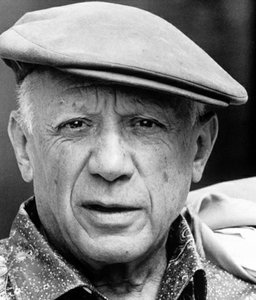
1881 - 1973 , Ispanija


Sekite naujausias meno naujienas, išskirtinius pasiūlymus ir dekoravimo idėjas.
Pasakokite mums apie savo projektą, o mūsų meno ekspertai parengs jums 3 asmeniškus meno pasiūlymus.
Leiskite mums parinkti 3 variantus būtent jums – nemokamai!


 Peržiūrėti realybėje
 Pasidalinti
 Dalintis
 Išsamiau

 Atsisiųsti
 Panašūs eksponatai
 Rentgeno nuotrauka
 Automatinė diorama
 Skaityti daugiau