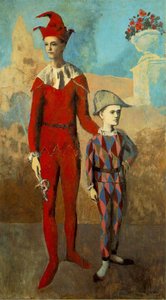
Rankiniu būdu tapytas aliejus ant droblio jūsų pageidaujamame dydį ir rėmuose – mūsų menininkų darbas pagal užsakymą. ( Perejti prie spausdinimo Perjungti į vaizdą)





























Pasirinkite iš mūsų nustatytų dydžių, atitinkančių originalaus meno kūrinio proporcijas.

Galite įvesti savo matmenis, kad jie atitiktų konkretų rėmą ar erdvę. Jei pasirinktas dydis neatitinka originalaus paveikslėlio proporcijų, mes arba apkropsime meno kūrinį, arba papildysime tapybą rankomis dažytい elementais. Prieš pradėdami gamybą, jūsų patvirtinimui atsiųsime skaitmeninį maketą.
Atkreipkite dėmesį, kad ekrane rodomas vaizdas neatspindi tikrojo apkarpymo ar papildymo. Tik maketas tiksliai parodys galutinę kompoziciją.
Nors galima rinktis ir individualius dydžius, rekomenduojame pasirinkti matmenis iš nustatytos sąrašo, kad būtų išlaikytos originalios proporcijos.
Pristatymas visame pasaulyje () per 3–4 savaites, o ne įprastai – per 5 savaites. (2 rugpjūtis). Kokybė lieka nepakeičiama.


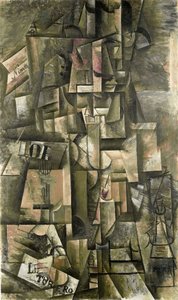
Claude writing
Reprodukcijos matmenys
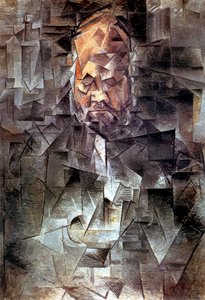
Pablo Picasso’s Claude Writing stands as a poignant emblem of Surrealist exploration and Cubist innovation—a deceptively simple portrait that unveils layers of psychological depth and artistic experimentation.
Created in 1913 during Picasso’s fervent embrace of Synthetic Cubism, this artwork transcends mere representation. It's less about capturing an objective likeness and more about conveying a state of mind; the young boy depicted is absorbed in contemplation, his hands pressed against his face—a gesture universally understood as one of vulnerability and introspection.
The stylistic choices are deliberate and groundbreaking. Picasso employs collage extensively, incorporating fragments of newspaper into the canvas to generate texture and depth. This technique wasn’t merely decorative; it mirrored the Surrealist preoccupation with juxtaposing disparate elements to provoke subconscious associations—a visual echo of Freud's psychoanalytic theories.
Furthermore, Picasso adheres rigorously to Cubist principles. The head dominates the composition, rendered in fractured planes that defy traditional perspective. This fragmentation isn’t random; it reflects Picasso’s desire to dismantle illusion and reveal underlying structure – mirroring the broader artistic movement’s rejection of academic conventions.
The muted palette—primarily greens and browns—contributes to the painting's melancholic atmosphere. These colors evoke feelings of solitude and contemplation, aligning with the psychological themes prevalent in Surrealist art. The artist’s masterful use of light and shadow enhances this sense of drama, guiding the viewer’s gaze toward the boy’s face and emphasizing his emotional expression.
Picasso's Claude Writing isn’t merely a visual depiction; it’s an invitation to delve into the complexities of human emotion and artistic innovation—a testament to Picasso's enduring legacy as one of the most influential artists of the 20th century.
To learn more about cubism and its impact on modern art, visit Pablo Picasso on BuyPopArt.
For a deeper understanding of cubism and its influence on artistic expression, explore Cubism on Wikipedia.
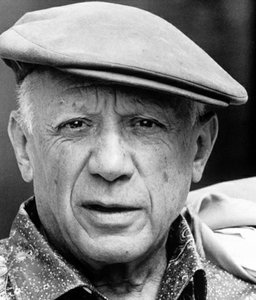
1881 - 1973 , Ispanija

Explore the history of Academic painting – its techniques, ideology & lasting influence on art. Discover key artists, movements & the Salon system. A comprehensive guide for art enthusiasts.

Atraskite 10 legendinių kubizmo šedevrų! Pažinkite Picassą, Braką ir kitus menininkus. Sužinokite apie spalvas, stilių bei meno istoriją. Aukštos kokybės dailės reprodukcijos jūsų interjerui – BuyPopArt.com.

Explore 10 revolutionary Cubist portraits by Picasso, Braque & more! Discover the stories behind these iconic paintings and how they shaped modern art. Find museum-quality reproductions to elevate your home decor on BuyPopArt.com.

Atraskite 25 Georges Braque šedevrus! Kubizmo meistro paveikslai, interjero dekoras ir meno istorija. Meno reprodukcijos aukščiausia kokybe – BuyPopArt.com. Išsamesnės informacijos rasite internetu.

Transform cherished photos into timeless oil paintings with skilled artists. Trusted for bespoke portraits & heirloom art. Discover the process, styles & lasting value – a legacy preserved.


Sekite naujausias meno naujienas, išskirtinius pasiūlymus ir dekoravimo idėjas.
Pasakokite mums apie savo projektą, o mūsų meno ekspertai parengs jums 3 asmeniškus meno pasiūlymus.
Leiskite mums parinkti 3 variantus būtent jums – nemokamai!


 Peržiūrėti realybėje
 Pasidalinti
 Dalintis
 Išsamiau

 Atsisiųsti
 Panašūs eksponatai
 Rentgeno nuotrauka
 Automatinė diorama

 Skaityti daugiau







 Stiklo variantas prieinamas tik pasirinkus dydį iki 110 cm