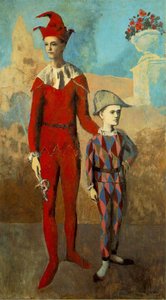
Muziejų lygio „giclée“ arba drobos spausdinimas: greita gamyba ir lankstios apdailos parinktys. ( Pirkti rankomis tapytą paveikslą Pirkti vaizdą)





























Pasirinkite iš mūsų nustatytų dydžių, atitinkančių originalaus meno kūrinio proporcijas.

Galite nurodyti savo matmenis, kad vaizdas atitiktų konkretų rėmą ar erdvę. Jei pasirinktas dydis nesutaps su originalaus paveikslėlio proporcijomis, mes arba apkirpsime kūrinį, arba išplėsime vaizdą naudojant veideliu atspindėtą arba vientisą šoną. Skaitmeninis maketas bus išsiųstas jums patvirtinti prieš pradedant gamybą.
Atkreipkite dėmesį, kad ekrane matomas vaizdinys neatspindi tikrojo apkirpimo ar išplėtimo. Tik maketas tiksliai parodytų galutinę kompoziciją.
Nors galima rinktis ir individualius dydžius, rekomenduojame pasirinkti vieną iš išanksti nustatytų matmenų, kad būtų išlaikytos originalios proporcijos.
Pristatymas visame pasaulyje () per 2 weeks, o ne įprastas 4/5 savaičių laikotarpis. (12 rugpjūtis)


Figure
Reprodukcijos matmenys
Pablo Picasso’s “Figure” stands as a testament to Surrealist experimentation and Cubist fragmentation—a deceptively simple composition brimming with layered meaning and masterful execution. Painted in 1927, this artwork embodies Picasso's ongoing fascination with exploring the subconscious mind through geometric abstraction.
The piece immediately captivates with its muted palette dominated by cool blues and warm oranges—a striking contrast that underscores the geometric forms at play. It depicts a stylized figure resembling a bird or creature, characterized by elongated limbs and a triangular head, positioned against a backdrop of layered shapes. The style leans heavily toward Cubism and Surrealism, reflecting Picasso’s embrace of avant-garde movements during his prolific period.
Picasso's technique is evident in the smooth surface achieved through careful brushwork—visible strokes contribute to the textural richness of the canvas. The angular lines defining the figure and background create a palpable sense of dynamism and tension, mirroring the artist’s desire to disrupt traditional representational conventions. Perspective is deliberately distorted, prioritizing form over realistic depiction; depth is achieved not through conventional spatial cues but rather by layering and overlapping shapes.
Created during Picasso's engagement with Surrealist principles—influenced by artists like René Magritte and André Breton— “Figure” delves into themes of transformation and dreamlike vision. The bird-like figure itself serves as a potent symbol, representing flight, aspiration, and perhaps even metamorphosis. Furthermore, the crescent moon shape adds to the artwork’s mystical aura, evoking notions of cyclical time and subconscious awareness. Radiating lines emanating from the central form suggest energy and movement—a visual representation of the artist's exploration of psychological landscapes.
"Figure" transcends mere visual aesthetics; it invites contemplation on the complexities of human experience. The artwork’s ambiguity encourages viewers to engage in personal interpretation, mirroring Picasso’s intention to provoke thought and challenge preconceived notions about art and perception. Its understated elegance—combined with its bold geometric forms—makes it a compelling subject for interior design projects seeking to infuse spaces with artistic sophistication.
1881 - 1973 , Ispanija

Discover the power of Neo-Abstract art. Explore how bold geometric forms and high-impact visual energy are redefining modern design. Learn to curate sophisticated, high-energy spaces with the latest trends in contemporary abstraction and structural color.

Discover the high-impact world of Geometric Abstraction. From Cubist roots to modern urban trends, explore how bold shapes and colors redefine contemporary design. Elevate your space with expert art insights and custom-made abstract masterpieces.


Sekite naujausias meno naujienas, išskirtinius pasiūlymus ir dekoravimo idėjas.
Pasakokite mums apie savo projektą, o mūsų meno ekspertai parengs jums 3 asmeniškus meno pasiūlymus.
Leiskite mums parinkti 3 variantus būtent jums – nemokamai!


 Peržiūrėti realybėje
 Pasidalinti
 Dalintis
 Išsamiau

 Atsisiųsti
 Panašūs eksponatai
 Rentgeno nuotrauka
 Automatinė diorama
 Skaityti daugiau







 Stiklo variantas prieinamas tik pasirinkus dydį iki 110 cm