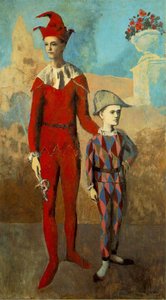
Muziejų lygio „giclée“ arba drobos spausdinimas: greita gamyba ir lankstios apdailos parinktys. ( Pirkti rankomis tapytą paveikslą Pirkti vaizdą)





























Pasirinkite iš mūsų nustatytų dydžių, atitinkančių originalaus meno kūrinio proporcijas.

Galite nurodyti savo matmenis, kad vaizdas atitiktų konkretų rėmą ar erdvę. Jei pasirinktas dydis nesutaps su originalaus paveikslėlio proporcijomis, mes arba apkirpsime kūrinį, arba išplėsime vaizdą naudojant veideliu atspindėtą arba vientisą šoną. Skaitmeninis maketas bus išsiųstas jums patvirtinti prieš pradedant gamybą.
Atkreipkite dėmesį, kad ekrane matomas vaizdinys neatspindi tikrojo apkirpimo ar išplėtimo. Tik maketas tiksliai parodytų galutinę kompoziciją.
Nors galima rinktis ir individualius dydžius, rekomenduojame pasirinkti vieną iš išanksti nustatytų matmenų, kad būtų išlaikytos originalios proporcijos.
Pristatymas visame pasaulyje () per 2 weeks, o ne įprastas 4/5 savaičių laikotarpis. (18 rugpjūtis)


Suite 347
Reprodukcijos matmenys
To encounter Pablo Picasso’s Suite 347 is to step directly into a fever dream, a monochromatic landscape where the boundaries between reality and nightmare dissolve. This profound work presents a densely populated scene of immense psychological weight, pulling the viewer into a confined space that feels both intimate and claustrophobic. At the heart of this unsettling composition lies a prone figure, seemingly vulnerable and exposed, caught in a moment of stillness that borders on the tragic. Surrounding this central subject are three observing men, whose gazes serve as the emotional anchor of the piece. Their eyes do not merely look; they scrutinize, conveying a complex, haunting mixture of curiosity, concern, and perhaps even a silent, heavy judgment. This arrangement immediately evokes the primal power dynamics of human interaction—the tension between the observed and the observer, and the inherent vulnerability of being seen.
The technical mastery displayed in this work is nothing short of breathtaking, showcasing Picasso’s ability to manipulate light and shadow through the meticulous application of graphite or charcoal. Eschewing the vibrant palettes for which he is often celebrated, Picasso utilizes a stark black-and-white medium to heighten the drama. A dense, intricate network of hatching and cross-hatching creates a rich, tactile surface, providing volume and depth to the elongated, distorted figures. This technique lends the artwork an expressive realism that is simultaneously interrupted by elements of Surrealism. The deliberate distortion of perspective and the organic, flowing yet sharp shapes contribute to an atmosphere of profound unease, making the piece feel less like a static drawing and more like a living, breathing moment of existential dread.
Beyond its striking visual impact, Suite 347 is a reservoir of rich, layered symbolism that invites endless interpretation. The prone figure can be read as a potent metaphor for mortality, transformation, or the raw exposure of the human soul to the elements of fate. The surrounding men act as symbols of societal forces—perhaps representing the clinical gaze of medical examination, the weight of communal scrutiny, or the relentless march of time. There is a ritualistic quality to their observation, suggesting a ceremony of judgment or a shared witnessing of a profound transition. This ambiguity is precisely what gives the work its enduring power; it does not provide easy answers but instead forces the viewer to confront their own reflections on vulnerability and the human condition.
For the discerning collector or interior designer, a high-quality reproduction of this masterpiece offers more than mere decoration; it provides a focal point of intellectual and emotional depth. The artwork’s ability to command attention through its dramatic lighting and somber tones makes it an extraordinary addition to spaces that value sophisticated, thought-provoking art. Whether placed in a quiet study or a contemporary gallery setting, the piece serves as a window into the restless, evolving mind of Picasso—a master who could move seamlessly from the formal experiments of Cubism into the deepest, most emotive territories of the human psyche. Owning such a work is an invitation to engage with one of the most transformative legacies in art history.

1881 - 1973 , Ispanija

Atraskite 25 garsiausius Pablo Picasso šedevrus! Išsami analizė, istorijos ir meno stiliai – kubizmas, abstrakcionizmas ir kt. Įkvėpkite interjerui su aukštos kokybės reprodukcijomis. Explore the full collection online!

Explore 10 Cubist masterpieces by Picasso, Braque & more! Delve into the history of this revolutionary art movement. Find museum-quality reproductions and elevate your home decor with BuyPopArt. Discover all masterpieces on BuyPopArt.com

Explore 10 revolutionary Cubist portraits by Picasso, Braque & more! Discover the stories behind these iconic paintings and how they shaped modern art. Find museum-quality reproductions to elevate your home decor on BuyPopArt.com.

Explore 10 Cubist masterpieces by Picasso, Braque & more! Discover the stories behind these revolutionary paintings and their impact on modern art. Find museum-quality reproductions for your home at BuyPopArt.com – where art comes to life.
Explore 10 iconic paintings dominated by black tones, from Rembrandt’s chiaroscuro to Goya's dark expressions. Discover the stories behind these masterpieces & find museum-quality art reproductions for your home at .


Sekite naujausias meno naujienas, išskirtinius pasiūlymus ir dekoravimo idėjas.
Pasakokite mums apie savo projektą, o mūsų meno ekspertai parengs jums 3 asmeniškus meno pasiūlymus.
Leiskite mums parinkti 3 variantus būtent jums – nemokamai!


 Peržiūrėti realybėje
 Pasidalinti
 Dalintis
 Išsamiau

 Atsisiųsti
 Panašūs eksponatai
 Rentgeno nuotrauka
 Automatinė diorama

 Skaityti daugiau







 Stiklo variantas prieinamas tik pasirinkus dydį iki 110 cm