Muziejų lygio „giclée“ arba drobos spausdinimas: greita gamyba ir lankstios apdailos parinktys. ( Pirkti rankomis tapytą paveikslą Pirkti vaizdą)





























Pasirinkite iš mūsų nustatytų dydžių, atitinkančių originalaus meno kūrinio proporcijas.

Galite nurodyti savo matmenis, kad vaizdas atitiktų konkretų rėmą ar erdvę. Jei pasirinktas dydis nesutaps su originalaus paveikslėlio proporcijomis, mes arba apkirpsime kūrinį, arba išplėsime vaizdą naudojant veideliu atspindėtą arba vientisą šoną. Skaitmeninis maketas bus išsiųstas jums patvirtinti prieš pradedant gamybą.
Atkreipkite dėmesį, kad ekrane matomas vaizdinys neatspindi tikrojo apkirpimo ar išplėtimo. Tik maketas tiksliai parodytų galutinę kompoziciją.
Nors galima rinktis ir individualius dydžius, rekomenduojame pasirinkti vieną iš išanksti nustatytų matmenų, kad būtų išlaikytos originalios proporcijos.
Pristatymas visame pasaulyje () per 2 weeks, o ne įprastas 4/5 savaičių laikotarpis. (17 rugpjūtis)


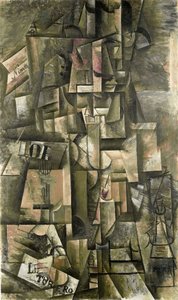
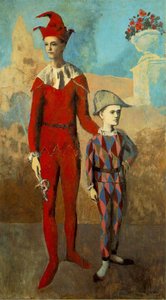
The absinth drinker
Reprodukcijos matmenys
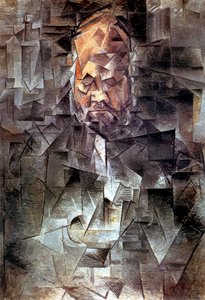
Pablo Picasso’s “The Absinthe Drinker,” completed in 1901, stands as a pivotal work within the artist's burgeoning Cubist exploration and a haunting reflection of the anxieties simmering beneath the surface of Belle Époque Paris. More than just a depiction of a woman enjoying a drink—though the meticulous observation of her posture and gaze is undeniably striking—the painting embodies a profound psychological complexity that continues to fascinate art historians.
Historical Context: “The Absinthe Drinker” emerged during a period marked by social unrest and intellectual ferment in Paris. Absinthe, a potent anise-flavored liqueur popular among artists and intellectuals of the time, symbolized decadence, disillusionment, and escape from societal pressures. Picasso’s choice to depict this drink—and its drinker—reflects the pervasive mood of uncertainty and introspection that characterized the era.
Symbolism: The absinthe glass itself serves as a potent symbol of contemplation and detachment. Its positioning beneath the woman's gaze suggests she is wrestling with internal thoughts, attempting to find solace in solitude amidst the bustling city life outside. Furthermore, Picasso’s stylistic choices—the fragmentation of form and the muted color palette—mirror the psychological state of his subject, conveying a sense of emotional vulnerability.
Emotional Impact: “The Absinthe Drinker” transcends mere visual representation; it evokes a palpable feeling of melancholy and quiet contemplation. Picasso’s ability to capture the subtleties of human emotion—the unspoken sadness lurking beneath the surface—solidifies his place as one of the most influential artists of the 20th century. It remains a compelling testament to the power of art to explore the complexities of the human psyche.

1881 - 1973 , Ispanija

Master the complexities of Cubism with our expert guide. Explore the revolutionary techniques of Picasso, from Analytical to Synthetic Cubism, and learn how to curate these powerful, fragmented perspectives for your private collection.


Sekite naujausias meno naujienas, išskirtinius pasiūlymus ir dekoravimo idėjas.
Pasakokite mums apie savo projektą, o mūsų meno ekspertai parengs jums 3 asmeniškus meno pasiūlymus.
Leiskite mums parinkti 3 variantus būtent jums – nemokamai!


 Peržiūrėti realybėje
 Pasidalinti
 Dalintis
 Išsamiau

 Atsisiųsti
 Panašūs eksponatai
 Rentgeno nuotrauka
 Automatinė diorama
 Skaityti daugiau







 Stiklo variantas prieinamas tik pasirinkus dydį iki 110 cm