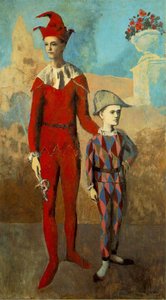
Acrylic On CanvasWallArtImpressionism
 190119th Century
 73.0 x 54.0 cm
Muziejų lygio „giclée“ arba drobos spausdinimas: greita gamyba ir lankstios apdailos parinktys. ( Perejti prie rankinio darbo paveikslėlio Perjungti į vaizdą)
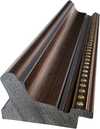
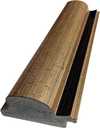
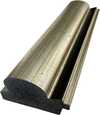
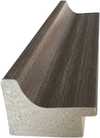
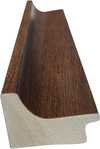
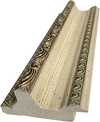
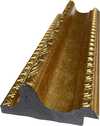
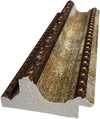
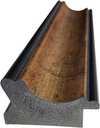
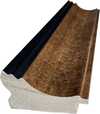
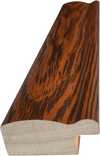
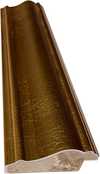
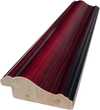
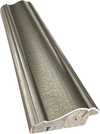
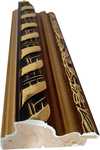
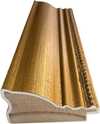
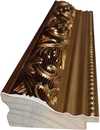
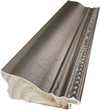
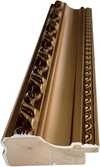
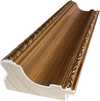
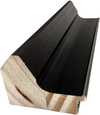
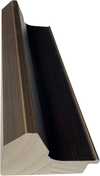
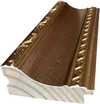
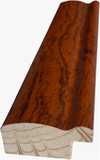
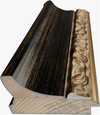
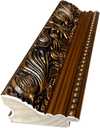
Pasirinkite iš mūsų nustatytų dydžių, atitinkančių originalaus meno kūrinio proporcijas.

Galite nurodyti savo matmenis, kad vaizdas atitiktų konkretų rėmą ar erdvę. Jei pasirinktas dydis nesutaps su originalaus paveikslėlio proporcijomis, mes arba apkirpsime kūrinį, arba išplėsime vaizdą naudojant veideliu atspindėtą arba vientisą šoną. Skaitmeninis maketas bus išsiųstas jums patvirtinti prieš pradedant gamybą.
Atkreipkite dėmesį, kad ekrane matomas vaizdinys neatspindi tikrojo apkirpimo ar išplėtimo. Tik maketas tiksliai parodytų galutinę kompoziciją.
Nors galima rinktis ir individualius dydžius, rekomenduojame pasirinkti vieną iš išanksti nustatytų matmenų, kad būtų išlaikytos originalios proporcijos.
Pristatymas visame pasaulyje () per 2 weeks, o ne įprastas 4/5 savaičių laikotarpis. (4 rugpjūtis)


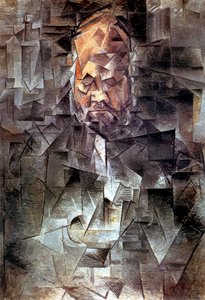
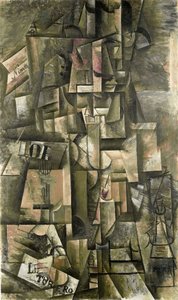
The Absinthe Drinker
Reprodukcijos matmenys
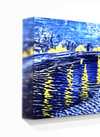
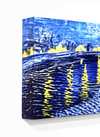
“Twilight Reflections” is an evocative oil painting capturing the tranquil beauty of a Venetian canal at dusk. The artwork invites viewers to immerse themselves in a scene of timeless elegance and quiet contemplation, ideal for enriching any living space or art collection.
The painting’s style draws inspiration from both Impressionism and Luminism. Like the Impressionists, the artist emphasizes the fleeting effects of light and atmosphere, using loose brushstrokes to capture the shimmering reflections on the water's surface. However, the work also incorporates elements of Luminism, a 19th-century American art movement known for its focus on depicting landscapes with luminous qualities. The artist achieves this through careful layering of colors and subtle gradations of tone, creating an overall sense of ethereal radiance.
The technique employed is primarily oil painting on canvas, utilizing traditional methods of glazing and scumbling to build depth and texture. Glazing involves applying thin, transparent layers of paint over dried underlayers, allowing light to pass through and create a luminous effect. Scumbling, on the other hand, involves applying broken or textured layers of paint, creating a sense of visual complexity and atmospheric haze.
Venetian canal scenes have long been a popular subject for artists throughout history. From the 18th-century Grand Tour paintings to the Impressionist works of the late 19th century, Venice has served as an enduring source of inspiration for artistic creativity. The city's unique blend of architectural beauty, atmospheric light, and romantic allure has captivated artists for centuries.
“Twilight Reflections” builds upon this rich tradition of Venetian canal scenes in art history, offering a contemporary interpretation of a classic subject. While the painting evokes the spirit of earlier works, it also possesses its own distinct character and artistic vision.
The painting’s symbolism is subtle yet profound. The twilight hour represents a liminal space between day and night, symbolizing transition and reflection. The canal itself can be interpreted as a metaphor for the flow of time, with its shimmering reflections suggesting the ephemeral nature of beauty.
Emotionally, “Twilight Reflections” evokes a sense of tranquility, nostalgia, and quiet contemplation. The painting’s serene atmosphere invites viewers to escape from the stresses of everyday life and immerse themselves in a scene of timeless elegance. It is an artwork that speaks to the human desire for beauty, peace, and connection with nature.
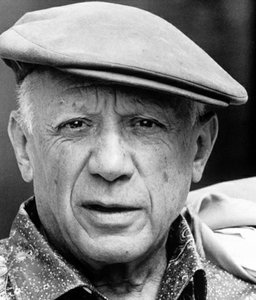
1881 - 1973 , Ispanija

Explore the profound evolution of art from Impressionism to Post-Impressionism. Discover how masters like Van Gogh revolutionized color and emotion, shaping modern art history through structural innovation and expressive technique.


Sekite naujausias meno naujienas, išskirtinius pasiūlymus ir dekoravimo idėjas.
Pasakokite mums apie savo projektą, o mūsų meno ekspertai parengs jums 3 asmeniškus meno pasiūlymus.
Leiskite mums parinkti 3 variantus būtent jums – nemokamai!


 Peržiūrėti realybėje
 Pasidalinti
 Dalintis
 Išsamiau

 Atsisiųsti
 Panašūs eksponatai
 Rentgeno nuotrauka
 Automatinė diorama
 Skaityti daugiau
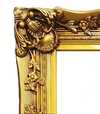
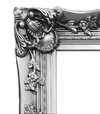
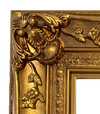
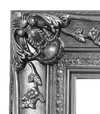
 Stiklo variantas prieinamas tik pasirinkus dydį iki 110 cm