

 Akrilas ant drobėsSieninis menasRealism
 1896XIX amestas
 75.0 x 50.0 cm
Įsigykite aukštos skiriamosios raiškos, patobulintą skaitmeninį vaizdą, gerokai pranašesnį už internetinę peržiūrą.
Kiekvieną failą mūsų specialistai kruopščiai paruošia naudojant pažangias technologijas ir profesionalų rankinį retušavimą. Užtikriname, kad kiekvienas vaizdas pasižymėtų išskirtiniu aiškumu, tikslia spalvų atspalviu ir smulkiomis detalėmis.
Baigiamas failas el. paštu pristatomas per 72 valandas; jis optimizuotas nedelsiant naudojimui profesionalioje, redakcinėje ir spausdinimo aplinkoje. Tai ta pati kokybė, kuria pasitiki aukščiausios klasės dizaino studijos, leidyklos ir galerijos.
Atsisiųskite didelės raiškos failą asmeniniam naudojimui, spausdinimui ir kūrybiniams projektams. ( Pirkti spaudinį Pirkti rankomis tapytą paveikslą)
Pasirinkę BuyPopArt.com, jūs ne tik gaunate paveikslėlį – jūs gaunate profesionaliai patobudintą skaitmeninį kūrinį, sukurtą itin tikniai ir užtikrinantį pasitenkinimą. Štai viską, kas automatiškai pritékia jūsų užsakymui:

Jūsų aukštos raiškos skaitmeninis vaizdo failas bus išsiųstas jums el. paštu per 72 valaudas nuo užsakymo – paruoštas naudojimui be jokių papildomų veiksmų.

Jūsų meno kūrinys profesionaliai optimizuojamas naudojant pažangius dirbtinio intelekto įrankius ir rankinį redagavimą, užtikrinant maksimalią detalę, aiškumą ir spalvų tikslumą.

Atsitiktinai ištrytikote ar praradote savo failą? Nebijokite – bet kuriuo metu atsiųsime jį jums vėl nemokamai.

Mėgaukitės savo meno kūriniu akimirka – skaitiniai failai visada yra neapmokestinami, todėl nereikės mokėti muitinės, mokesčių ar pristatymo mokesčių.

Naudodami profesionalią įrangą ir spalvų valdymo sistemas, užtikriname, kad jūsų skaitmeninis vaizdas kuo tiksliau atspindėtų originalias spalvas.

Jei nebuvate patenkinti savo skaitinio vaizdo, per 60 dienų jį pertaisysime arba grąkinsime 100% sumą – be jokių klausimų.

Nepat 만족inti? Gaukite visą sumokėtą sumą per 60 dienų nuo skaitmeninio failo gavimo – be jokių papildomų klausimų.

Pirkti 3 nuotraukas – pasiūla 10% - Pirkti 5 – pasiūla 15% - Pirkti 10 ir daugiau – pasiūla 20%. Puikiai tinka kūrybiniams projektams, galerijoms bei agentūroms.
Pablo Picasso's "The Altar Boy," painted in 1896, stands as a pivotal work within the artist’s formative years, offering a remarkable window into his evolving style and a poignant reflection of late 19th-century artistic trends. This unassuming yet profoundly evocative painting—measuring 75 x 50 cm and currently residing at Santa Maria de Montserrat Abbey in Spain—captures a young boy, an altar boy, standing beside a simple table adorned with flowers and vases. More than just a portrait, it’s a carefully constructed tableau that speaks volumes about the era's artistic sensibilities and foreshadows the revolutionary shifts Picasso would later introduce into the art world.
Initially created during Picasso’s Realism period, “The Altar Boy” demonstrates his remarkable skill in meticulously rendering realistic details. The boy’s attire—a pristine white surplice with delicate lace trim—is rendered with a precision that belies his young age. His stance is one of quiet solemnity, accentuated by the presence of a staff or cane held firmly in his hand, suggesting responsibility and perhaps even a touch of melancholy. The arrangement of the vases and potted plants around the table isn’t merely decorative; it establishes a sense of depth and balance within the composition, creating a formal setting that subtly hints at a religious context – likely indicating the boy's role as an altar boy. The muted color palette—primarily whites, reds, and browns—contributes to the painting’s contemplative atmosphere.
While firmly rooted in Realism, “The Altar Boy” is not simply a static reproduction of reality. It's a crucial stepping stone on Picasso’s artistic journey. His early training under his father, José Ruiz y Blasco, instilled in him a deep understanding of naturalistic depiction—a skill he expertly demonstrates through the painting’s meticulous detail and accurate portrayal of textures. However, it also reveals a nascent desire to move beyond mere representation. The careful observation of light and shadow, combined with a subtle awareness of form, hints at the experimentation that would soon lead him to develop his groundbreaking Cubist style. The painting serves as a testament to Picasso’s foundational abilities—a solid base upon which he would later build his revolutionary innovations.
To fully appreciate “The Altar Boy,” it's essential to consider its place within the broader artistic landscape of the late 19th century. This period was marked by a diverse range of styles, from the continued influence of Realism and Impressionism to the emerging avant-garde movements. Picasso’s work reflects his early exposure to these influences, while simultaneously hinting at the innovative approaches he would soon champion. Comparing it with contemporaries like Paul Gauguin, whose “Still Life with Teapot and Fruit” exemplifies Post-Impressionism—with its emphasis on subjective experience and vibrant color—and Paul Cézanne, known for his exploration of form and light in works such as "Self-Portrait"—illuminates Picasso’s position within this dynamic artistic environment. Gauguin's focus on exotic subjects and emotional intensity contrasts with Picasso’s more restrained realism, while Cézanne’s geometric approach to space anticipates the fractured perspectives that would characterize Cubism.
Beyond its technical merits, “The Altar Boy” is rich in symbolic meaning. The altar boy himself represents innocence, faith, and service—qualities highly valued during the period. The simple setting—the table laden with flowers and vases—suggests a sacred space, reinforcing the religious context of the scene. Even the boy’s posture – upright and attentive – conveys a sense of dignity and responsibility. Picasso masterfully uses these elements to create an image that transcends a mere portrait, offering viewers a glimpse into the values and beliefs of late 19th-century society. The painting's quiet solemnity invites contemplation on themes of youth, faith, and tradition.
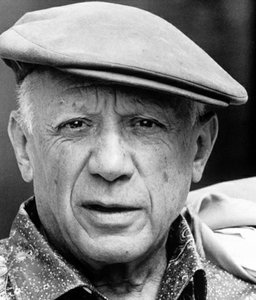
1881 - 1973 , Ispanija


Sekite naujausias meno naujienas, išskirtinius pasiūlymus ir dekoravimo idėjas.
Pasakokite mums apie savo projektą, o mūsų meno ekspertai parengs jums 3 asmeniškus meno pasiūlymus.
Leiskite mums parinkti 3 variantus būtent jums – nemokamai!


 Peržiūrėti realybėje
 Pasidalinti
 Dalintis
 Išsamiau

 Atsisiųsti
 Panašūs eksponatai
 Rentgeno nuotrauka
 Automatinė diorama
 Skaityti daugiau