

 Acrylic On CanvasWallArtNaive Art / Primitivism
 1965
1965 130.0 x 195.0 cm
Rankiniu būdu tapytas aliejus ant droblio jūsų pageidaujamame dydį ir rėmuose – mūsų menininkų darbas pagal užsakymą. ( Pirkti spaudinį Pirkti vaizdą)





























Pasirinkite iš mūsų nustatytų dydžių, atitinkančių originalaus meno kūrinio proporcijas.

Galite įvesti savo matmenis, kad jie atitiktų konkretų rėmą ar erdvę. Jei pasirinktas dydis neatitinka originalaus paveikslėlio proporcijų, mes arba apkropsime meno kūrinį, arba papildysime tapybą rankomis dažytい elementais. Prieš pradėdami gamybą, jūsų patvirtinimui atsiųsime skaitmeninį maketą.
Atkreipkite dėmesį, kad ekrane rodomas vaizdas neatspindi tikrojo apkarpymo ar papildymo. Tik maketas tiksliai parodys galutinę kompoziciją.
Nors galima rinktis ir individualius dydžius, rekomenduojame pasirinkti matmenis iš nustatytos sąrašo, kad būtų išlaikytos originalios proporcijos.
Pristatymas visame pasaulyje () per 3–4 savaites, o ne įprastai – per 5 savaites. (24 rugpjūtis). Kokybė lieka nepakeičiama.


The Aubade
Reprodukcijos matmenys
Pablo Picasso's "The Aubade," painted in 1965, stands as a testament to his unwavering fascination with Surrealism and his masterful ability to distill complex emotions into deceptively simple visual forms. Measuring 130 x 195 cm, this oil on canvas piece transcends mere representation; it’s an invitation to contemplate the interplay between music, joy, and contemplation—themes that permeate Picasso's oeuvre throughout his prolific career.
Classified under the Naive Art / Primitivism style, “The Aubade” exemplifies Picasso’s deliberate exploration of artistic primitivism. Unlike academic painting traditions focused on meticulous realism, Picasso deliberately eschewed technical precision, favoring bold colors and expressive brushstrokes that prioritize feeling over observation. This stylistic choice aligns perfectly with the broader movement's ethos—to recapture the spontaneity and unfiltered emotion characteristic of folk art—resulting in a visual experience that is both visceral and profoundly engaging.
The composition itself speaks volumes. Two figures dominate the foreground, one engaged in playing an instrument – likely a trombone or trumpet – while the other appears to be singing with palpable enthusiasm. This dynamic duo is positioned against a vibrant crimson backdrop, immediately establishing a sense of energy and movement. The inclusion of a clock subtly underscores the passage of time, juxtaposed against the idyllic scene of performance. Furthermore, the bowl at the bottom right corner hints at nourishment and comfort—elements that contribute to the painting’s overarching atmosphere of contentment.
"The Aubade" isn't merely a standalone artwork; it represents a pivotal moment in Picasso’s artistic journey. As a pioneer of Cubism alongside Georges Braque, he consistently pushed boundaries, experimenting with diverse styles and techniques to challenge conventional notions of representation. This painting underscores his ability to synthesize influences from various artistic traditions—a characteristic that cemented his position as one of the most influential artists of the 20th century.
Considered alongside other celebrated pieces like “The Man with a Pipe,” “Standing female nude and man with pipe,” and “Woman with book,” "The Aubade" reveals Picasso's unwavering commitment to exploring themes of human emotion and artistic innovation. These works demonstrate his profound understanding of the psychological landscape—a hallmark of Surrealism—and solidify his enduring legacy as an artist who fundamentally reshaped the course of modern art.
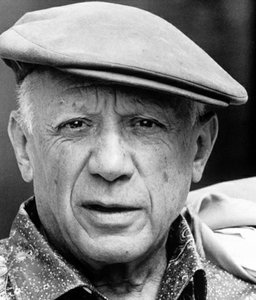
1881 - 1973 , Ispanija

Ditch the boring decor. Discover why Naive Art's raw, bold, and unfiltered aesthetic is the ultimate trend for modern urban spaces. Learn how to use vibrant colors and unstudied sincerity to create a high-impact, authentic vibe in your home or studio.


Sekite naujausias meno naujienas, išskirtinius pasiūlymus ir dekoravimo idėjas.
Pasakokite mums apie savo projektą, o mūsų meno ekspertai parengs jums 3 asmeniškus meno pasiūlymus.
Leiskite mums parinkti 3 variantus būtent jums – nemokamai!


 Peržiūrėti realybėje
 Pasidalinti
 Dalintis
 Išsamiau

 Atsisiųsti
 Panašūs eksponatai
 Rentgeno nuotrauka
 Automatinė diorama
 Skaityti daugiau







 Stiklo variantas prieinamas tik pasirinkus dydį iki 110 cm


