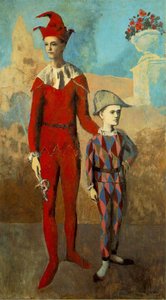
Aliejus ant drobėsSieninis menasCubism
 1916Modernizmas
 53.0 x 64.0 cm
Rankiniu būdu tapytas aliejus ant droblio jūsų pageidaujamame dydį ir rėmuose – mūsų menininkų darbas pagal užsakymą. ( Pirkti spaudinį Pirkti vaizdą)





























Pasirinkite iš mūsų nustatytų dydžių, atitinkančių originalaus meno kūrinio proporcijas.

Galite įvesti savo matmenis, kad jie atitiktų konkretų rėmą ar erdvę. Jei pasirinktas dydis neatitinka originalaus paveikslėlio proporcijų, mes arba apkropsime meno kūrinį, arba papildysime tapybą rankomis dažytい elementais. Prieš pradėdami gamybą, jūsų patvirtinimui atsiųsime skaitmeninį maketą.
Atkreipkite dėmesį, kad ekrane rodomas vaizdas neatspindi tikrojo apkarpymo ar papildymo. Tik maketas tiksliai parodys galutinę kompoziciją.
Nors galima rinktis ir individualius dydžius, rekomenduojame pasirinkti matmenis iš nustatytos sąrašo, kad būtų išlaikytos originalios proporcijos.
Pristatymas visame pasaulyje () per 3–4 savaites, o ne įprastai – per 5 savaites. (18 rugpjūtis). Kokybė lieka nepakeičiama.


The guitar
Reprodukcijos matmenys
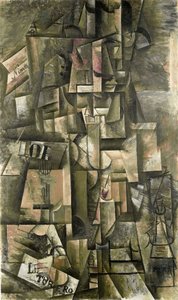
Pablo Picasso's "The Guitar," created in 1916, stands as a pivotal work within the Synthetic Cubism movement. This painting transcends mere representation; it’s an exploration of form, space, and perception, embodying Picasso's revolutionary approach to art. The artwork is characterized by its fragmented composition, geometric planes, and innovative use of materials, marking a significant departure from earlier Analytic Cubism.
Emerging around 1912, Synthetic Cubism represented a shift in Picasso's artistic practice. Unlike the analytical approach that dissected objects into their constituent parts, Synthetic Cubism focused on constructing images from simplified shapes and incorporating elements of collage – specifically *papier collé*. This style emphasizes flat surface activity and large, overlapping geometric planes, creating a sense of dynamism and abstraction. "The Guitar" exemplifies this movement perfectly, showcasing Picasso's ability to deconstruct the familiar form of a guitar and reassemble it into an innovative visual puzzle. The painting isn’t about depicting a realistic guitar; it’s about capturing its essence through abstract forms and spatial relationships.
The composition of "The Guitar" is striking in its complexity. Picasso depicts the instrument from multiple perspectives simultaneously, presenting three distinct views – the strings, the body, and the neck – interwoven within a geometric framework. The painting utilizes oil on canvas, allowing for a vibrant yet controlled color palette dominated by reds, whites, and blacks. A small circle near the center adds an intriguing focal point, disrupting the otherwise angular composition. The brushstrokes are visible, contributing to the textured surface and emphasizing the artist's hand in the creation process. The layering of shapes and colors creates depth and visual interest, drawing the viewer into a dynamic interplay of forms.
"The Guitar" is more than just an aesthetically pleasing artwork; it’s a testament to Picasso's pioneering role in Cubism. It encapsulates the movement's core principles – fragmentation, abstraction, and multiple perspectives – while demonstrating Picasso's unique artistic vision. The painting’s influence extends far beyond Cubism itself, impacting subsequent art movements including Orphism, abstract art, Futurism, Suprematism, Dada, Constructivism, De Stijl, and Art Deco. The "Crystal Cubist" period, to which this work belongs, is particularly notable for its emphasis on order and aesthetic purity. Picasso’s innovative approach paved the way for new artistic explorations and continues to inspire artists today.
Beyond its formal qualities, "The Guitar" carries symbolic weight. The guitar itself represents music, creativity, and perhaps even artistic expression. However, its fragmented representation suggests a deconstruction of form – a questioning of traditional perspectives and an exploration of the subjective nature of perception. The painting evokes a sense of dynamism and intellectual curiosity, inviting viewers to engage with the artwork on multiple levels. It’s a visual puzzle that challenges conventional notions of representation while simultaneously celebrating the power of abstraction.

1881 - 1973 , Ispanija

Master the complexities of Cubism with our expert guide. Explore the revolutionary techniques of Picasso, from Analytical to Synthetic Cubism, and learn how to curate these powerful, fragmented perspectives for your private collection.

Explore the profound evolution of Synthetic Cubism. From Picasso’s innovative collages to Braque’s geometric mastery, discover how this movement redefined modern art through texture and form. A definitive guide for discerning collectors and art history enthusiasts.


Sekite naujausias meno naujienas, išskirtinius pasiūlymus ir dekoravimo idėjas.
Pasakokite mums apie savo projektą, o mūsų meno ekspertai parengs jums 3 asmeniškus meno pasiūlymus.
Leiskite mums parinkti 3 variantus būtent jums – nemokamai!


 Peržiūrėti realybėje
 Pasidalinti
 Dalintis
 Išsamiau

 Atsisiųsti
 Panašūs eksponatai
 Rentgeno nuotrauka
 Automatinė diorama
 Skaityti daugiau







 Stiklo variantas prieinamas tik pasirinkus dydį iki 110 cm