

Muziejų lygio „giclée“ arba drobos spausdinimas: greita gamyba ir lankstios apdailos parinktys. ( Pirkti rankomis tapytą paveikslą Pirkti vaizdą)





























Pasirinkite iš mūsų nustatytų dydžių, atitinkančių originalaus meno kūrinio proporcijas.

Galite nurodyti savo matmenis, kad vaizdas atitiktų konkretų rėmą ar erdvę. Jei pasirinktas dydis nesutaps su originalaus paveikslėlio proporcijomis, mes arba apkirpsime kūrinį, arba išplėsime vaizdą naudojant veideliu atspindėtą arba vientisą šoną. Skaitmeninis maketas bus išsiųstas jums patvirtinti prieš pradedant gamybą.
Atkreipkite dėmesį, kad ekrane matomas vaizdinys neatspindi tikrojo apkirpimo ar išplėtimo. Tik maketas tiksliai parodytų galutinę kompoziciją.
Nors galima rinktis ir individualius dydžius, rekomenduojame pasirinkti vieną iš išanksti nustatytų matmenų, kad būtų išlaikytos originalios proporcijos.
Pristatymas visame pasaulyje () per 2 weeks, o ne įprastas 4/5 savaičių laikotarpis. (22 rugpjūtis)


Untitled (55)
Reprodukcijos matmenys
Pablo Picasso's "Untitled (55)," a stark black-and-white lithograph, isn’t merely a depiction of three figures; it’s an immersion into the fractured psyche of a world grappling with violence and loss. Created in 1968, decades after his most famous anti-war statement, Guernica, this work possesses a quiet intensity, radiating a palpable sense of unease that belies its restrained palette. The composition immediately draws the eye to the central figures – a woman, seemingly cradling a child, and a seated man, all rendered in Picasso’s signature angular style. Lines aren't simply delineating forms; they aggressively carve out space, creating a chaotic yet meticulously controlled visual field that mirrors the turmoil within the scene.
The lithographic technique itself is crucial to understanding the artwork’s impact. The dense layering of dots and lines, achieved through painstaking printing processes, generates an almost tactile surface – one that feels rough and uneven beneath your gaze. This textural quality contrasts sharply with the figures' stylized forms, lending a sense of vulnerability and fragility. The flattened perspective, devoid of atmospheric depth or realistic modeling, further contributes to the surreal atmosphere, pulling the viewer into a dreamlike state where conventional spatial relationships dissolve.
Within this seemingly simple arrangement lie layers of potent symbolism. The nude woman and child are immediately evocative, representing innocence threatened by external forces. Picasso’s deliberate distortion of their forms – elongated limbs, fragmented features – suggests a profound sense of psychological distress, hinting at the trauma inflicted upon families caught in conflict. The seated man, dressed formally, embodies authority and perhaps societal constraints; his posture is rigid, almost defensive, creating a visual tension with the vulnerable figures beside him.
Further analysis reveals subtle clues. The fragmented nature of the composition mirrors the shattered state of war-torn societies. The absence of color amplifies the emotional weight, forcing the viewer to confront the stark reality of suffering without distraction. The overall impression is one of alienation and isolation – a poignant reflection on the human condition in times of crisis.
To fully appreciate “Untitled (55),” it's essential to understand its historical context. Created nearly forty years after the creation of *Guernica*, this work can be seen as a revisiting of themes central to Picasso’s oeuvre – particularly his engagement with political and social issues. The shadow of the Spanish Civil War, which profoundly impacted Picasso’s life and artistic vision, undoubtedly informs the artwork's somber mood. The late 1960s were a period of immense global upheaval, marked by the Vietnam War and growing civil unrest; Picasso’s work during this time often reflected these anxieties.
Interestingly, this piece shares stylistic affinities with Picasso’s earlier Surrealist explorations, particularly his collaboration with Dora Maar. The deliberate distortion of form, combined with a focus on emotional expression, aligns it with the core tenets of the movement. However, unlike many Surrealist works that embrace dreamlike imagery, “Untitled (55)” maintains a grounded sense of realism within its stylized representation.
Reproductions of "Untitled (55)" offer an accessible way to engage with Picasso's powerful vision. When selecting a print, consider the quality of the reproduction – a high-resolution giclée will faithfully capture the nuances of the lithographic technique and preserve the artwork’s textural depth. This piece is not simply a decorative object; it’s a window into a turbulent era and a testament to Picasso's enduring ability to convey profound human emotions through art.
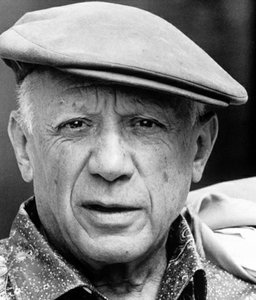
1881 - 1973 , Ispanija

Master the high-impact world of contemporary abstraction. Discover how bold colors, textures, and modern movements like Abstract Expressionism can transform your space with premium, high-energy art curated for the design-conscious professional.

Dive into the high-energy world of Lyrical Abstraction. Explore how bold colors, fluid motion, and emotional depth define this modern masterpiece movement. Discover iconic artists and learn to bring this vibrant, soulful energy into your contemporary space.

Discover the power of Neo-Abstract art. Explore how bold geometric forms and high-impact visual energy are redefining modern design. Learn to curate sophisticated, high-energy spaces with the latest trends in contemporary abstraction and structural color.

Master the monochrome aesthetic with high-impact Black & White art from BuyPopArt.com. From custom hand-painted oils to iconic pop culture remixes, discover the ultimate design flex for your urban space. Elevate your decor with bold, premium, and timeless monochrome masterpieces.


Sekite naujausias meno naujienas, išskirtinius pasiūlymus ir dekoravimo idėjas.
Pasakokite mums apie savo projektą, o mūsų meno ekspertai parengs jums 3 asmeniškus meno pasiūlymus.
Leiskite mums parinkti 3 variantus būtent jums – nemokamai!


 Peržiūrėti realybėje
 Pasidalinti
 Dalintis
 Išsamiau

 Atsisiųsti
 Panašūs eksponatai
 Rentgeno nuotrauka
 Automatinė diorama

 Skaityti daugiau







 Stiklo variantas prieinamas tik pasirinkus dydį iki 110 cm


