

 Aliejus ant drobėsSieninis menasPost-Impressionism
 1875XIX amestas
 38.0 x 46.0 cm
Įsigykite aukštos skiriamosios raiškos, patobulintą skaitmeninį vaizdą, gerokai pranašesnį už internetinę peržiūrą.
Kiekvieną failą mūsų specialistai kruopščiai paruošia naudojant pažangias technologijas ir profesionalų rankinį retušavimą. Užtikriname, kad kiekvienas vaizdas pasižymėtų išskirtiniu aiškumu, tikslia spalvų atspalviu ir smulkiomis detalėmis.
Baigiamas failas el. paštu pristatomas per 72 valandas; jis optimizuotas nedelsiant naudojimui profesionalioje, redakcinėje ir spausdinimo aplinkoje. Tai ta pati kokybė, kuria pasitiki aukščiausios klasės dizaino studijos, leidyklos ir galerijos.
Atsisiųskite didelės raiškos failą asmeniniam naudojimui, spausdinimui ir kūrybiniams projektams. ( Pirkti spaudinį Pirkti rankomis tapytą paveikslą)
Pasirinkę BuyPopArt.com, jūs ne tik gaunate paveikslėlį – jūs gaunate profesionaliai patobudintą skaitmeninį kūrinį, sukurtą itin tikniai ir užtikrinantį pasitenkinimą. Štai viską, kas automatiškai pritékia jūsų užsakymui:

Jūsų aukštos raiškos skaitmeninis vaizdo failas bus išsiųstas jums el. paštu per 72 valaudas nuo užsakymo – paruoštas naudojimui be jokių papildomų veiksmų.

Jūsų meno kūrinys profesionaliai optimizuojamas naudojant pažangius dirbtinio intelekto įrankius ir rankinį redagavimą, užtikrinant maksimalią detalę, aiškumą ir spalvų tikslumą.

Atsitiktinai ištrytikote ar praradote savo failą? Nebijokite – bet kuriuo metu atsiųsime jį jums vėl nemokamai.

Mėgaukitės savo meno kūriniu akimirka – skaitiniai failai visada yra neapmokestinami, todėl nereikės mokėti muitinės, mokesčių ar pristatymo mokesčių.

Naudodami profesionalią įrangą ir spalvų valdymo sistemas, užtikriname, kad jūsų skaitmeninis vaizdas kuo tiksliau atspindėtų originalias spalvas.

Jei nebuvate patenkinti savo skaitinio vaizdo, per 60 dienų jį pertaisysime arba grąkinsime 100% sumą – be jokių klausimų.

Nepat 만족inti? Gaukite visą sumokėtą sumą per 60 dienų nuo skaitmeninio failo gavimo – be jokių papildomų klausimų.

Pirkti 3 nuotraukas – pasiūla 10% - Pirkti 5 – pasiūla 15% - Pirkti 10 ir daugiau – pasiūla 20%. Puikiai tinka kūrybiniams projektams, galerijoms bei agentūroms.
Paul Cézanne’s “Bathers,” painted in 1875, isn’t merely a depiction of nude figures; it is an exploration of form, space, and the very essence of observation. This work, residing within the collection of the Metropolitan Museum of Art, stands as a pivotal moment in Cézanne's artistic journey, bridging the fleeting impressions of Impressionism with the nascent geometric explorations that would later define Cubism. The painting presents five women immersed in a natural setting—a riverbank or beach bathed in soft light—their bodies rendered not with photographic realism but with a deliberate simplification and structural emphasis. It’s a scene seemingly imbued with tranquility, yet beneath this surface lies a complex interplay of artistic innovation.
Cézanne began his career deeply influenced by the Impressionist movement, evident in the vibrant palette and loose brushwork initially employed. However, "Bathers" marks a departure from the purely optical concerns of artists like Monet or Renoir. While retaining a sense of atmosphere through color, Cézanne’s focus shifts inward—towards understanding the underlying structure of his subjects and their environment. He wasn't simply capturing what he *saw*, but rather attempting to represent how he *understood* it. The umbrellas scattered throughout the scene aren't just decorative elements; they serve as compositional devices, creating depth and guiding the viewer’s eye through the landscape. The presence of a bird adds a touch of naturalism, grounding the figures within their surroundings while subtly hinting at the broader world beyond.
Cézanne's technique in "Bathers" is characterized by his distinctive application of paint. He doesn’t blend colors smoothly; instead, he applies small, distinct brushstrokes that build up to create a sense of texture and volume. This method, seemingly rudimentary at first glance, is crucial to the painting’s overall effect. The planes of color interact with one another, creating subtle shifts in tone and shadow that define the forms of the women and the landscape. Notice how he uses variations in green and brown to suggest the foliage behind them, or how the blues and whites of the water shimmer with an almost palpable light. This approach anticipates the later Cubist fragmentation of form, where objects are broken down into geometric components and reassembled on the canvas.
While seemingly straightforward in its subject matter, "Bathers" carries a subtle symbolic weight. The nude figures, common in classical art, represent not just physical beauty but also an idealized connection to nature—a return to primal simplicity and harmony. Cézanne’s deliberate rendering of the women, however, avoids any overt sensuality. Instead, they appear as archetypal forms, embodiments of feminine grace rather than individual portraits. The overall mood is one of quiet contemplation; a sense of peaceful solitude pervades the scene. The painting invites viewers to pause and reflect on the beauty of the natural world and the enduring power of human form—a testament to Cézanne’s ability to transform everyday observation into profound artistic expression.
“Bathers” was initially met with mixed reactions, but its significance has grown exponentially over time. It represents a crucial turning point in art history, demonstrating Cézanne's pioneering efforts to move beyond the purely representational and towards a more conceptual understanding of form and space. His influence on subsequent generations of artists—from Matisse and Picasso to countless others—is undeniable. The painting’s enduring appeal lies not only in its aesthetic beauty but also in its ability to provoke thought and inspire new ways of seeing the world, solidifying Cézanne's place as a true visionary.
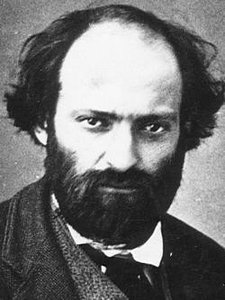
1839 - 1906 , Prancūzija


Sekite naujausias meno naujienas, išskirtinius pasiūlymus ir dekoravimo idėjas.
Pasakokite mums apie savo projektą, o mūsų meno ekspertai parengs jums 3 asmeniškus meno pasiūlymus.
Leiskite mums parinkti 3 variantus būtent jums – nemokamai!


 Peržiūrėti realybėje
 Pasidalinti
 Dalintis
 Išsamiau

 Atsisiųsti
 Panašūs eksponatai
 Rentgeno nuotrauka
 Automatinė diorama
 Skaityti daugiau