
 Akrilas ant drobėsSieninis menasPost-Impressionism
 1877
1877 60.0 x 73.0 cm
Įsigykite aukštos skiriamosios raiškos, patobulintą skaitmeninį vaizdą, gerokai pranašesnį už internetinę peržiūrą.
Kiekvieną failą mūsų specialistai kruopščiai paruošia naudojant pažangias technologijas ir profesionalų rankinį retušavimą. Užtikriname, kad kiekvienas vaizdas pasižymėtų išskirtiniu aiškumu, tikslia spalvų atspalviu ir smulkiomis detalėmis.
Baigiamas failas el. paštu pristatomas per 72 valandas; jis optimizuotas nedelsiant naudojimui profesionalioje, redakcinėje ir spausdinimo aplinkoje. Tai ta pati kokybė, kuria pasitiki aukščiausios klasės dizaino studijos, leidyklos ir galerijos.
Atsisiųskite didelės raiškos failą asmeniniam naudojimui, spausdinimui ir kūrybiniams projektams. ( Pirkti spaudinį Pirkti rankomis tapytą paveikslą)
Pasirinkę BuyPopArt.com, jūs ne tik gaunate paveikslėlį – jūs gaunate profesionaliai patobudintą skaitmeninį kūrinį, sukurtą itin tikniai ir užtikrinantį pasitenkinimą. Štai viską, kas automatiškai pritékia jūsų užsakymui:

Jūsų aukštos raiškos skaitmeninis vaizdo failas bus išsiųstas jums el. paštu per 72 valaudas nuo užsakymo – paruoštas naudojimui be jokių papildomų veiksmų.

Jūsų meno kūrinys profesionaliai optimizuojamas naudojant pažangius dirbtinio intelekto įrankius ir rankinį redagavimą, užtikrinant maksimalią detalę, aiškumą ir spalvų tikslumą.

Atsitiktinai ištrytikote ar praradote savo failą? Nebijokite – bet kuriuo metu atsiųsime jį jums vėl nemokamai.

Mėgaukitės savo meno kūriniu akimirka – skaitiniai failai visada yra neapmokestinami, todėl nereikės mokėti muitinės, mokesčių ar pristatymo mokesčių.

Naudodami profesionalią įrangą ir spalvų valdymo sistemas, užtikriname, kad jūsų skaitmeninis vaizdas kuo tiksliau atspindėtų originalias spalvas.

Jei nebuvate patenkinti savo skaitinio vaizdo, per 60 dienų jį pertaisysime arba grąkinsime 100% sumą – be jokių klausimų.

Nepat 만족inti? Gaukite visą sumokėtą sumą per 60 dienų nuo skaitmeninio failo gavimo – be jokių papildomų klausimų.

Pirkti 3 nuotraukas – pasiūla 10% - Pirkti 5 – pasiūla 15% - Pirkti 10 ir daugiau – pasiūla 20%. Puikiai tinka kūrybiniams projektams, galerijoms bei agentūroms.
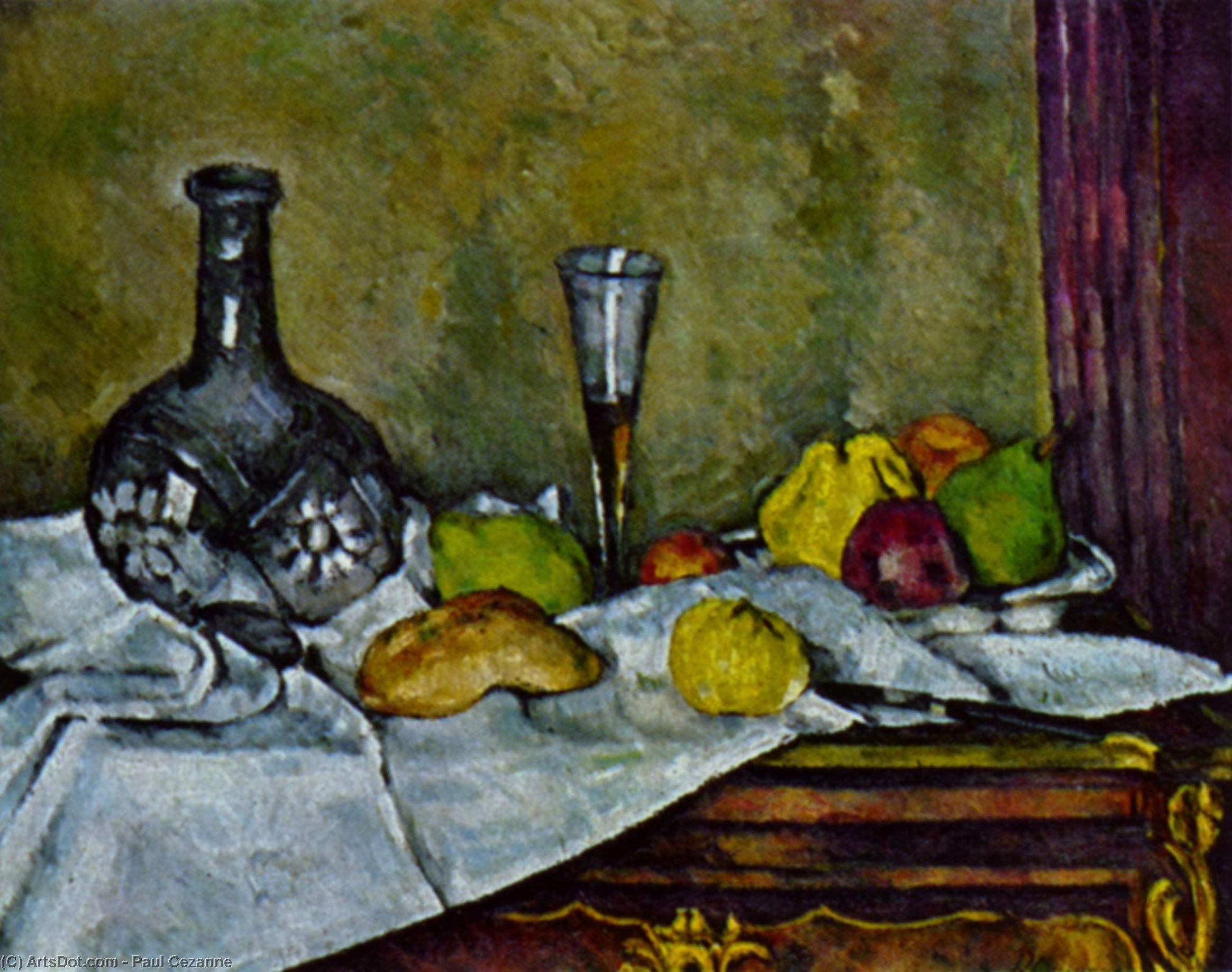
Paul Cézanne’s “Dessert,” painted in 1877, at the same time stands as an emblem of artistic rebellion against Impressionism and a cornerstone of Post-Impressionist innovation. More than just a depiction of fruit and glassware, it embodies Cézanne's profound exploration of form and structure—principles that would irrevocably reshape the landscape of modern art. The painting resides within the esteemed collection at The Museum Formerly Collection Bernhard Koehler (Berlin, Germany), attracting connoisseurs eager to appreciate its enduring legacy.
The scene unfolds with meticulous care, presenting a tabletop arrangement populated by familiar objects: a bottle of wine nestled beside a glass brimming with liquid; apples, oranges, and bananas strategically positioned as focal points; two bowls—one centrally placed and another subtly angled—completing the tableau. Cézanne deliberately eschewed traditional perspective, opting instead for a flattened plane that prioritizes visual solidity over illusionistic depth. This decision wasn’t merely stylistic; it reflected Cézanne's belief that art should capture the essence of reality by emphasizing its underlying geometric forms. The careful positioning of each element contributes to an overall sense of balance and tension—a characteristic hallmark of Cézanne’s approach.
Cézanne’s method departed dramatically from Impressionist conventions, rejecting the fleeting effects of light and color in favor of a more analytical dissection of visual experience. Bold brushstrokes—often applied horizontally and vertically—create textured surfaces that resist easy categorization. Vibrant hues are employed not to reproduce nature faithfully but to convey mood and emotion, pushing beyond mere representation. Cézanne’s technique is characterized by layering colors and applying paint thickly, resulting in a palpable physicality that distinguishes it from the ethereal brushwork of Impressionists like Monet or Renoir. This deliberate disregard for academic rules signaled a decisive break with artistic tradition—a pivotal step toward establishing Cubism and influencing generations of artists to come.
"Dessert" served as an undeniable catalyst for artistic evolution, profoundly impacting figures such as Pablo Picasso and Georges Braque. Cézanne’s pioneering exploration of form and structure directly inspired the development of Cubism—a movement that shattered traditional pictorial conventions by presenting multiple viewpoints simultaneously on a single canvas. Picasso famously declared Cézanne “the father of us all,” recognizing his transformative influence on artistic thought and technique. The fragmentation of objects, the simplification of shapes, and the rejection of illusionistic depth—all concepts championed by Cézanne—became central tenets of Cubist aesthetics.
Today, “Dessert” is recognized as an indispensable piece within the canon of modern art history. Its enduring appeal stems from its ability to convey both intellectual rigor and emotional resonance—a testament to Cézanne’s genius as a visual artist. The painting's presence in The Museum Formerly Collection Bernhard Koehler ensures that this seminal work continues to inspire admiration and scholarly debate, cementing its place as an icon of artistic innovation and a cornerstone of Post-Impressionist legacy. Its meticulous detail and expressive brushwork continue to captivate viewers, prompting contemplation on the nature of perception and representation—themes that remain remarkably pertinent in contemporary art discourse.
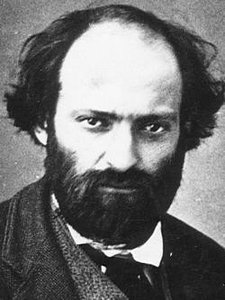
1839 - 1906 , Prancūzija


Sekite naujausias meno naujienas, išskirtinius pasiūlymus ir dekoravimo idėjas.
Pasakokite mums apie savo projektą, o mūsų meno ekspertai parengs jums 3 asmeniškus meno pasiūlymus.
Leiskite mums parinkti 3 variantus būtent jums – nemokamai!


 Peržiūrėti realybėje
 Pasidalinti
 Dalintis
 Išsamiau

 Atsisiųsti
 Panašūs eksponatai
 Rentgeno nuotrauka
 Automatinė diorama
 Skaityti daugiau