Muziejų lygio „giclée“ arba drobos spausdinimas: greita gamyba ir lankstios apdailos parinktys. ( Perejti prie rankinio darbo paveikslėlio Perjungti į vaizdą)
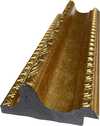
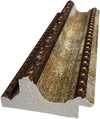
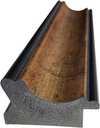
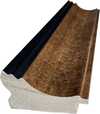
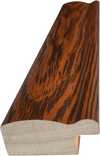
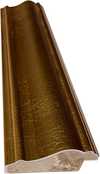
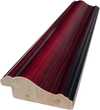
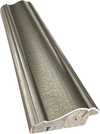
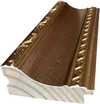
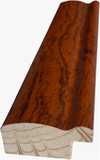
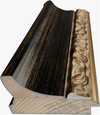
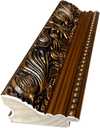
Pasirinkite iš mūsų nustatytų dydžių, atitinkančių originalaus meno kūrinio proporcijas.

Galite nurodyti savo matmenis, kad vaizdas atitiktų konkretų rėmą ar erdvę. Jei pasirinktas dydis nesutaps su originalaus paveikslėlio proporcijomis, mes arba apkirpsime kūrinį, arba išplėsime vaizdą naudojant veideliu atspindėtą arba vientisą šoną. Skaitmeninis maketas bus išsiųstas jums patvirtinti prieš pradedant gamybą.
Atkreipkite dėmesį, kad ekrane matomas vaizdinys neatspindi tikrojo apkirpimo ar išplėtimo. Tik maketas tiksliai parodytų galutinę kompoziciją.
Nors galima rinktis ir individualius dydžius, rekomenduojame pasirinkti vieną iš išanksti nustatytų matmenų, kad būtų išlaikytos originalios proporcijos.
Pristatymas visame pasaulyje () per 2 weeks, o ne įprastas 4/5 savaičių laikotarpis. (31 liepa)


Sodininkas
Reprodukcijos matmenys
Paul Cézanne’s “The Gardener,” completed in 1906, isn’t merely a depiction of a man seated before a wall adorned with foliage; it’s a cornerstone of Post-Impressionism and a testament to Cézanne’s revolutionary approach to capturing the essence of observation. Held proudly within the Tate Gallery’s collection in London, this oil on canvas invites viewers into a contemplative space where form and color intertwine to convey profound emotion.
More than just a portrait, “The Gardener” speaks volumes about Cézanne’s artistic philosophy. The man's gaze directed outwards symbolizes introspection and contemplation—a deliberate departure from Impressionistic focus on immediate sensory experience. The greenery itself represents vitality, growth, and connection to nature – themes prevalent in Cézanne’s broader oeuvre. These elements aren’t simply decorative; they serve as conduits for conveying deeper ideas about human existence.
Cézanne meticulously built up his canvases with thick, impasto brushstrokes—a technique that dramatically departs from the delicate glazing favored by Impressionists. These textured surfaces capture the physicality of paint itself, mirroring the solidity and permanence he sought to convey. Cézanne’s deliberate fracturing of forms – exemplified in the depiction of the wall – anticipates Cubism's radical simplification of perspective, establishing him as a pivotal figure in shaping modern art.
"The Gardener" profoundly impacted subsequent artists like Picasso and Matisse, who embraced Cézanne’s innovative methods. Its quiet stillness juxtaposed with its expressive brushwork continues to inspire decorators and collectors alike—a timeless masterpiece that embodies the spirit of Post-Impressionism and remains a captivating subject for artistic interpretation.
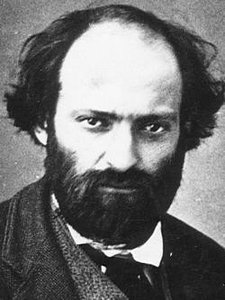
1839 - 1906 , Prancūzija
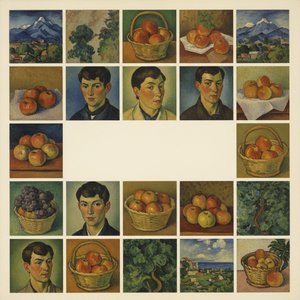
Atraskite 25 Paul Cézanno šedevrus! Išsami analizė, istorijos ir įkvėpimas interjero dekorui. Modernus menas, impresionizmas, natiurmortai – viskas BuyPopArt.com. Explore the full collection online!
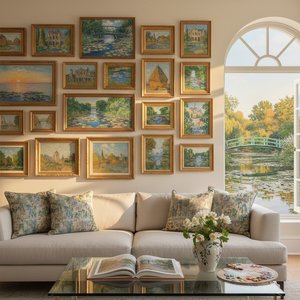
Atraskite 25 įspūdingiausius Claude Monet šedevrus! Sužinokite apie impresionizmą, vandens lelijų paveikslus ir spalvų magiją. Meno reprodukcijos aukščiausia kokybe – BuyPopArt.com. Išsamesnės informacijos rasite internetu.

Explore 10 iconic portrait paintings – from Mona Lisa to Van Gogh’s self-portraits. Discover the stories behind these masterpieces, artistic techniques & find museum-quality art reproductions for your home at BuyPopArt.com.
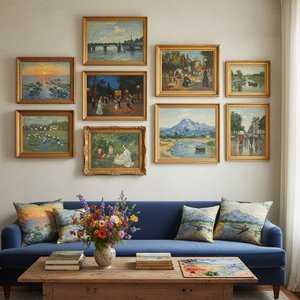
Journey into the heart of Impressionism! Explore 10 masterpieces by Monet, Renoir & Degas that revolutionized landscape art. Discover their stories, techniques & find museum-quality reproductions to elevate your home decor on BuyPopArt.com.

Atraskite 25 Nacionalinės galerijos (Londonas) šedevrus! Išsami istorija apie Van Gogho, Moneto ir kitų genijų kūrinius. Meno reprodukcijos interjerui – įkvėpkite klasika su BuyPopArt.com.


Sekite naujausias meno naujienas, išskirtinius pasiūlymus ir dekoravimo idėjas.
Pasakokite mums apie savo projektą, o mūsų meno ekspertai parengs jums 3 asmeniškus meno pasiūlymus.
Leiskite mums parinkti 3 variantus būtent jums – nemokamai!


 Peržiūrėti realybėje
 Pasidalinti
 Dalintis
 Išsamiau

 Atsisiųsti
 Panašūs eksponatai
 Rentgeno nuotrauka
 Automatinė diorama


 Skaityti daugiau
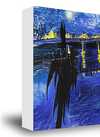
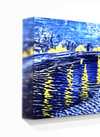
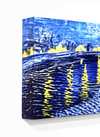
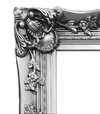
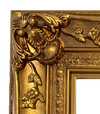
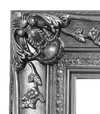
 Stiklo variantas prieinamas tik pasirinkus dydį iki 110 cm