

 Mixed MediaWallArtCubist
 1920Modern
 42.0 x 49.0 cm
 Lenbachhaus
Įsigykite aukštos skiriamosios raiškos, patobulintą skaitmeninį vaizdą, gerokai pranašesnį už internetinę peržiūrą.
Kiekvieną failą mūsų specialistai kruopščiai paruošia naudojant pažangias technologijas ir profesionalų rankinį retušavimą. Užtikriname, kad kiekvienas vaizdas pasižymėtų išskirtiniu aiškumu, tikslia spalvų atspalviu ir smulkiomis detalėmis.
Baigiamas failas el. paštu pristatomas per 72 valandas; jis optimizuotas nedelsiant naudojimui profesionalioje, redakcinėje ir spausdinimo aplinkoje. Tai ta pati kokybė, kuria pasitiki aukščiausios klasės dizaino studijos, leidyklos ir galerijos.
Atsisiųskite didelės raiškos failą asmeniniam naudojimui, spausdinimui ir kūrybiniams projektams. ( Pirkti spaudinį Pirkti rankomis tapytą paveikslą)
Pasirinkę BuyPopArt.com, jūs ne tik gaunate paveikslėlį – jūs gaunate profesionaliai patobudintą skaitmeninį kūrinį, sukurtą itin tikniai ir užtikrinantį pasitenkinimą. Štai viską, kas automatiškai pritékia jūsų užsakymui:

Jūsų aukštos raiškos skaitmeninis vaizdo failas bus išsiųstas jums el. paštu per 72 valaudas nuo užsakymo – paruoštas naudojimui be jokių papildomų veiksmų.

Jūsų meno kūrinys profesionaliai optimizuojamas naudojant pažangius dirbtinio intelekto įrankius ir rankinį redagavimą, užtikrinant maksimalią detalę, aiškumą ir spalvų tikslumą.

Atsitiktinai ištrytikote ar praradote savo failą? Nebijokite – bet kuriuo metu atsiųsime jį jums vėl nemokamai.

Mėgaukitės savo meno kūriniu akimirka – skaitiniai failai visada yra neapmokestinami, todėl nereikės mokėti muitinės, mokesčių ar pristatymo mokesčių.

Naudodami profesionalią įrangą ir spalvų valdymo sistemas, užtikriname, kad jūsų skaitmeninis vaizdas kuo tiksliau atspindėtų originalias spalvas.

Jei nebuvate patenkinti savo skaitinio vaizdo, per 60 dienų jį pertaisysime arba grąkinsime 100% sumą – be jokių klausimų.

Nepat 만족inti? Gaukite visą sumokėtą sumą per 60 dienų nuo skaitmeninio failo gavimo – be jokių papildomų klausimų.

Pirkti 3 nuotraukas – pasiūla 10% - Pirkti 5 – pasiūla 15% - Pirkti 10 ir daugiau – pasiūla 20%. Puikiai tinka kūrybiniams projektams, galerijoms bei agentūroms.
In the quiet corners of the Lenbachhaus in Munich, Paul Klee’s “Rose Garden” (1920) awaits, offering a visual experience that transcends the boundaries of mere painting. To gaze upon this masterpiece is to step into a world where the organic and the architectural dance in perfect, rhythmic unison. Created during a pivotal moment in Klee's life—shortly after his service in the First World War and around the time he joined the legendary Bauhaus faculty—the work serves as a profound exploration of form and color. It is not simply a depiction of flora, but a carefully constructed symphony where every triangle and rectangle acts as a musical note, building toward a crescendo of visual delight.
The painting immediately captivates with its vibrant, warm palette. A sea of reds, oranges, and soft pinks dominates the canvas, creating an atmosphere that feels both sun-drenched and intimately tender. Yet, Klee masterfully interweaves these warmth-driven tones with cooler purples, whites, and subtle greys, preventing the composition from becoming overwhelming. This delicate balance of temperature creates a sense of depth and movement, as if the garden itself is breathing through the layers of color.
Klee’s technique in “Rose Garden” defies the conventional perspective we often expect from landscape art. Instead of a literal representation of a garden, he presents a fractured, Cubist-inspired landscape composed of geometric shapes. Sharp-edged rectangles and triangles overlap and intersect, creating a structural complexity that suggests both a map-like cityscape and a lush, botanical arrangement. This interplay between the rigid and the fluid is where the true magic of the piece resides; while the sharp lines provide an architectural skeleton, the soft, circular motifs—resembling the roses themselves—soften the edges, injecting a sense of organic spontaneity into the geometric grid.
The artist likely employed a rich mixed-media approach, utilizing oil, watercolor, and perhaps even pencil on paper or cardboard. This layering technique lends the surface a tactile, textured quality that invites closer inspection. For the discerning collector or interior designer, this texture provides a sophisticated depth that allows the artwork to transform depending on the lighting of a room. The way the colors appear in distinct, unblended patches enhances the decorative, almost mosaic-like effect, making it an ideal centerpiece for spaces that value modern abstraction and rhythmic design.
Beyond its formal brilliance, “Rose Garden” resonates with a deep, symbolic soul. Klee, a trained violinist, often approached his canvases as if composing music, and one can hear the melody in the way the shapes are arranged. The roses, scattered like bright blossoms across a structured terrain, serve as symbols of eternal presence and beauty amidst the chaos of life. There is a whimsical, almost playful energy to the work, yet it carries an underlying layer of contemplative stillness. It captures that fleeting moment where nature’s wildness meets human order.
For those seeking to bring a piece of art history into their personal sanctuary, this reproduction offers more than just aesthetic beauty; it offers an emotional anchor. Whether placed in a contemporary minimalist setting or a classic, richly textured study, “Rose Garden” provides a window into the visionary mind of Paul Klee. It is a testament to the power of abstraction to capture the very essence of life—not through what we see with our eyes, but through what we feel within our hearts.
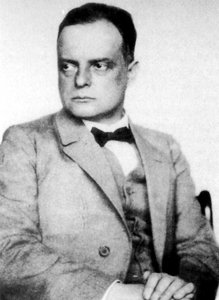
1879 - 1940 , Šveicarija


Sekite naujausias meno naujienas, išskirtinius pasiūlymus ir dekoravimo idėjas.
Pasakokite mums apie savo projektą, o mūsų meno ekspertai parengs jums 3 asmeniškus meno pasiūlymus.
Leiskite mums parinkti 3 variantus būtent jums – nemokamai!


 Peržiūrėti realybėje
 Pasidalinti
 Dalintis
 Išsamiau

 Atsisiųsti
 Panašūs eksponatai
 Rentgeno nuotrauka
 Automatinė diorama
 Skaityti daugiau


