

 Acrylic On CanvasWallArtExpressionism
 1921Early Medieval
 52.0 x 41.0 cm
 Aichi Prefectural Museum of Art
Muziejų lygio „giclée“ arba drobos spausdinimas: greita gamyba ir lankstios apdailos parinktys. ( Pirkti rankomis tapytą paveikslą Pirkti vaizdą)





























Pasirinkite iš mūsų nustatytų dydžių, atitinkančių originalaus meno kūrinio proporcijas.

Galite nurodyti savo matmenis, kad vaizdas atitiktų konkretų rėmą ar erdvę. Jei pasirinktas dydis nesutaps su originalaus paveikslėlio proporcijomis, mes arba apkirpsime kūrinį, arba išplėsime vaizdą naudojant veideliu atspindėtą arba vientisą šoną. Skaitmeninis maketas bus išsiųstas jums patvirtinti prieš pradedant gamybą.
Atkreipkite dėmesį, kad ekrane matomas vaizdinys neatspindi tikrojo apkirpimo ar išplėtimo. Tik maketas tiksliai parodytų galutinę kompoziciją.
Nors galima rinktis ir individualius dydžius, rekomenduojame pasirinkti vieną iš išanksti nustatytų matmenų, kad būtų išlaikytos originalios proporcijos.
Pristatymas visame pasaulyje () per 2 weeks, o ne įprastas 4/5 savaičių laikotarpis. (19 rugpjūtis)


Women
Reprodukcijos matmenys
Paul Klee's “Women,” painted in 1921, isn’t a straightforward depiction; it’s an invitation into a deeply personal and profoundly evocative dreamscape. This work, rendered primarily in shades of charcoal, gray, and deep green punctuated by flashes of red and yellow, immediately arrests the viewer with its fragmented composition and ambiguous subject matter. It's a piece that resists easy interpretation, prompting contemplation rather than offering immediate answers – a hallmark of Klee’s artistic philosophy and his engagement with Expressionism and Primitivism. The painting feels less like a representation of reality and more like a distillation of emotion, memory, and perhaps even the subconscious.
The composition itself is deliberately unsettling. Two central groupings of figures, resembling women holding parasols or branches, are positioned slightly off-center, creating a sense of imbalance and drawing the eye through a complex network of overlapping shapes. These aren’t portraits in the traditional sense; Klee has stripped them down to their essential forms – simplified silhouettes that hint at humanity without revealing individual identity. Horizontal lines establish a grounding depth, while vertical elements define the figures, contributing to a layered effect reminiscent of architectural plans or even musical scores. This deliberate flattening of perspective, characteristic of Klee’s style, further enhances the painting's dreamlike quality.
Klee masterfully employs both sharp and soft lines to achieve a remarkable textural complexity. Geometric shapes – circles, triangles, and squares – are juxtaposed with organic forms, creating a dynamic tension that mirrors the painting’s emotional core. The color palette is deliberately restrained, dominated by dark tones that evoke feelings of melancholy and mystery. However, strategic accents of vibrant red, yellow, and muted green inject moments of visual interest and subtly shift the mood. These colors aren't used realistically; instead, they serve to amplify the painting’s atmosphere and underscore its symbolic weight. The watercolor and ink techniques Klee utilized allowed for subtle gradations in color and texture, lending a remarkable sense of depth and movement to the surface.
“Women” is rich with potential symbolism, though Klee himself often resisted definitive interpretations. The figures holding parasols or branches could represent protection, guidance, or perhaps even the burdens of societal expectations. The overall setting – a fragmented cityscape – suggests alienation and isolation, reflecting themes prevalent in Klee’s work during this period. The painting evokes feelings of melancholy, mystery, and a sense of timelessness. It's not simply about women; it’s about the human condition itself—the complexities of relationships, the search for meaning, and the inherent ambiguity of life. The lack of distinct features on the figures contributes to their universality, suggesting that they represent all women rather than any specific individual.
Paul Klee’s “Women” stands as a testament to his unique artistic vision – a synthesis of Expressionism, Cubism, and Surrealism. The painting's creation in 1921 coincided with a period of intense experimentation for the artist, reflecting his ongoing exploration of color theory, musicality, and the relationship between art and emotion. The work’s influence can be seen in subsequent generations of artists who embraced abstraction and sought to express subjective experience through visual form. Today, reproductions of “Women” continue to captivate viewers with their haunting beauty and enduring mystery. It remains a powerful example of Klee's ability to transform simple forms into profound expressions of the human spirit.
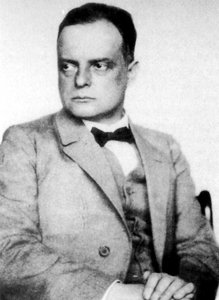
1879 - 1940 , Šveicarija

Dive into the high-voltage world of Abstract Expressionism. Explore the raw energy of Action Painting and the legendary masters of the New York School through a visual journey of pure chaos and color. Discover how to bring bold, high-impact abstract art into your modern space.

Master the high-impact world of contemporary abstraction. Discover how bold colors, textures, and modern movements like Abstract Expressionism can transform your space with premium, high-energy art curated for the design-conscious professional.

Dive into the raw power of Abstract Expressionism. Explore the high-octane energy of action painting and color field mastery. Discover how these bold, visceral movements redefine modern interiors with high-impact, premium abstract art for the contemporary collector.

Discover the power of Neo-Abstract art. Explore how bold geometric forms and high-impact visual energy are redefining modern design. Learn to curate sophisticated, high-energy spaces with the latest trends in contemporary abstraction and structural color.


Sekite naujausias meno naujienas, išskirtinius pasiūlymus ir dekoravimo idėjas.
Pasakokite mums apie savo projektą, o mūsų meno ekspertai parengs jums 3 asmeniškus meno pasiūlymus.
Leiskite mums parinkti 3 variantus būtent jums – nemokamai!


 Peržiūrėti realybėje
 Pasidalinti
 Dalintis
 Išsamiau

 Atsisiųsti
 Panašūs eksponatai
 Rentgeno nuotrauka
 Automatinė diorama
 Skaityti daugiau







 Stiklo variantas prieinamas tik pasirinkus dydį iki 110 cm


