


Muziejų lygio „giclée“ arba drobos spausdinimas: greita gamyba ir lankstios apdailos parinktys. ( Perejti prie rankinio darbo paveikslėlio Perjungti į vaizdą)
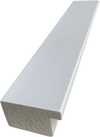
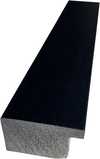
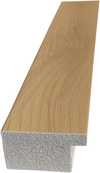
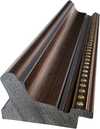
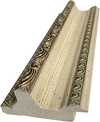
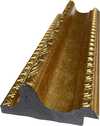
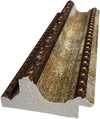
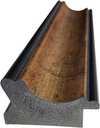
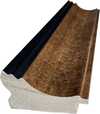
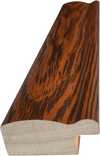
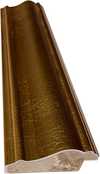
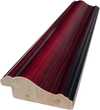
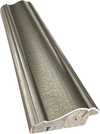
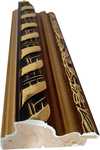
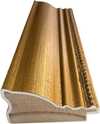
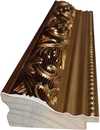
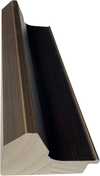
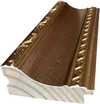
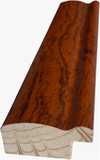
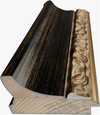
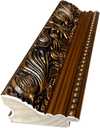
Pasirinkite iš mūsų nustatytų dydžių, atitinkančių originalaus meno kūrinio proporcijas.

Galite nurodyti savo matmenis, kad vaizdas atitiktų konkretų rėmą ar erdvę. Jei pasirinktas dydis nesutaps su originalaus paveikslėlio proporcijomis, mes arba apkirpsime kūrinį, arba išplėsime vaizdą naudojant veideliu atspindėtą arba vientisą šoną. Skaitmeninis maketas bus išsiųstas jums patvirtinti prieš pradedant gamybą.
Atkreipkite dėmesį, kad ekrane matomas vaizdinys neatspindi tikrojo apkirpimo ar išplėtimo. Tik maketas tiksliai parodytų galutinę kompoziciją.
Nors galima rinktis ir individualius dydžius, rekomenduojame pasirinkti vieną iš išanksti nustatytų matmenų, kad būtų išlaikytos originalios proporcijos.
Pristatymas visame pasaulyje () per 2 weeks, o ne įprastas 4/5 savaičių laikotarpis. (4 rugpjūtis)


La prairie
Reprodukcijos matmenys
Paulus Potter’s “La Prairie,” painted circa 1652, stands as an iconic exemplar of the Dutch Golden Age's fascination with the natural world and its masterful depiction of rural life. More than just a landscape scene—it’s a carefully constructed meditation on beauty, tranquility, and the harmonious relationship between humanity and nature, themes deeply resonant within the artistic sensibilities of the era.
The painting captures a serene meadow populated by cows grazing peacefully beneath a cloudy sky. Potter's meticulous observation is evident in every detail—the subtle variations in grass color, the texture of bark on the dominant tree, and the realistic rendering of bovine anatomy. This dedication to realism distinguishes “La Prairie” from earlier artistic conventions and firmly establishes it as a cornerstone of Romanticism’s burgeoning influence.
Beyond its aesthetic beauty, “La Prairie” carries symbolic weight. The cows represent domesticity and prosperity – symbols central to Dutch society during Potter's time. Simultaneously, the overcast sky evokes a sense of contemplative melancholy—a subtle suggestion that even in idyllic landscapes, life is punctuated by moments of quiet reflection. This duality underscores Potter’s profound understanding of human emotion and his ability to translate it into visual form.
The painting’s enduring appeal lies not only in its technical brilliance but also in its timeless portrayal of pastoral serenity. It serves as a poignant reminder of the beauty found in simplicity and the importance of appreciating the natural world—a sentiment that continues to inspire artists and collectors alike. Its inclusion in the Louvre Museum's collection ensures its legacy as one of the most celebrated landscapes of the Dutch Golden Age.

1625 - 1654 , Nyderlandai

Explore the captivating world of Nicolaes Berchem, a leading Dutch Golden Age painter. Discover his idyllic landscapes, masterful technique & lasting influence on art history. Learn more at BuyPopArt.

Atraskite Olandijos Aukso Amži\u017us meninius šedevrus! 10 legendin\u017iŴ paveikslžiai – Rembrandto, Vermeerio ir kt. darbai. Sužnkitę j\u016ungo namus aukso amži\u017us grožiu! Āukrai, interjero dizainas – viskas BuyPopArt.com. Ižirkite kolekciją internete!

Transform your cherished travel photos into timeless oil paintings with expert artists at BuyPopArt.com. Museum-quality reproductions & custom portraits – preserve your memories beautifully.

Explore the dramatic world of Spanish Baroque art! Discover masters like Zurbarán & the powerful influence of religious zeal on painting techniques – a guide for collectors and enthusiasts.

Explore the Dutch Golden Age of painting! Discover key artists like Vermeer & ter Borch, their innovative techniques, and the rich cultural context behind these Baroque masterpieces. Learn about collecting & appreciating this iconic art period.


Sekite naujausias meno naujienas, išskirtinius pasiūlymus ir dekoravimo idėjas.
Pasakokite mums apie savo projektą, o mūsų meno ekspertai parengs jums 3 asmeniškus meno pasiūlymus.
Leiskite mums parinkti 3 variantus būtent jums – nemokamai!


 Peržiūrėti realybėje
 Pasidalinti
 Dalintis
 Išsamiau

 Atsisiųsti
 Panašūs eksponatai
 Rentgeno nuotrauka
 Automatinė diorama

 Skaityti daugiau
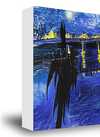
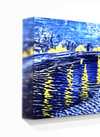
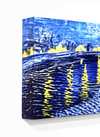
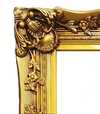
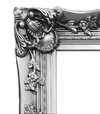
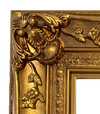
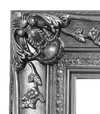
 Stiklo variantas prieinamas tik pasirinkus dydį iki 110 cm


