Muziejų lygio „giclée“ arba drobos spausdinimas: greita gamyba ir lankstios apdailos parinktys. ( Perejti prie rankinio darbo paveikslėlio Perjungti į vaizdą)
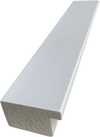
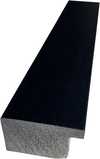
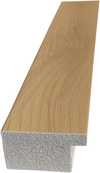
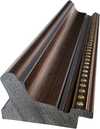
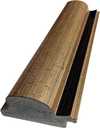
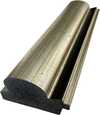
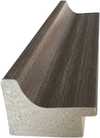
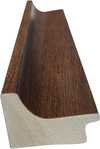
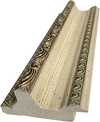
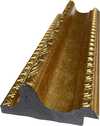
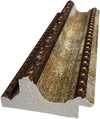
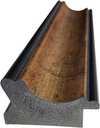
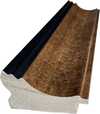
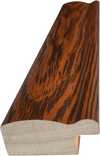
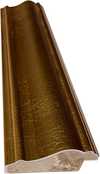
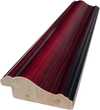
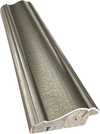
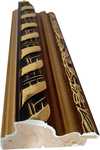
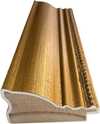
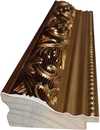
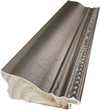
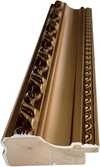
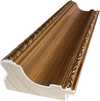
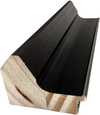
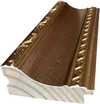
Pasirinkite iš mūsų nustatytų dydžių, atitinkančių originalaus meno kūrinio proporcijas.

Galite nurodyti savo matmenis, kad vaizdas atitiktų konkretų rėmą ar erdvę. Jei pasirinktas dydis nesutaps su originalaus paveikslėlio proporcijomis, mes arba apkirpsime kūrinį, arba išplėsime vaizdą naudojant veideliu atspindėtą arba vientisą šoną. Skaitmeninis maketas bus išsiųstas jums patvirtinti prieš pradedant gamybą.
Atkreipkite dėmesį, kad ekrane matomas vaizdinys neatspindi tikrojo apkirpimo ar išplėtimo. Tik maketas tiksliai parodytų galutinę kompoziciją.
Nors galima rinktis ir individualius dydžius, rekomenduojame pasirinkti vieną iš išanksti nustatytų matmenų, kad būtų išlaikytos originalios proporcijos.
Pristatymas visame pasaulyje () per 2 weeks, o ne įprastas 4/5 savaičių laikotarpis. (3 rugpjūtis)


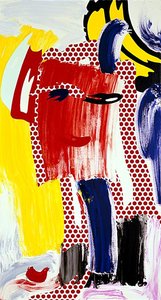
Portrait II
Reprodukcijos matmenys
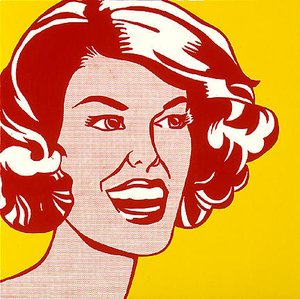
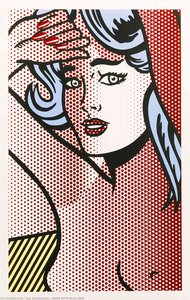
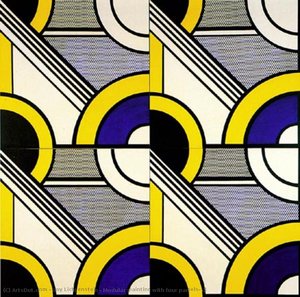
Roy Lichtenstein’s “Portrait II,” painted in 1986, is more than just a depiction of a figure with a banana; it’s a meticulously crafted explosion of color and a potent commentary on the burgeoning world of Pop Art. This vibrant work immediately grabs the viewer's attention with its unapologetic use of red and yellow – hues that evoke both energy and a slightly unsettling familiarity, mirroring the anxieties and consumerism prevalent in American society during the late 20th century.
The painting’s subject, rendered in Lichtenstein’s signature Ben-Day dot technique, possesses an almost cartoonish quality. The red scarf adds a touch of theatricality, while the banana itself – a symbol of abundance and perhaps even indulgence – is placed with deliberate incongruity atop the figure's head. This juxtaposition immediately disrupts any expectation of traditional portraiture, aligning it squarely within the Pop Art movement’s fascination with elevating everyday objects and imagery to the level of fine art.
Born in Manhattan in 1923, Roy Fox Lichtenstein's artistic trajectory was shaped by a unique blend of influences. His upbringing within an affluent Jewish family exposed him to the cultural richness of New York City and fostered a deep appreciation for art and music – particularly jazz. This early exposure, combined with formal training at the Art Students League under Reginald Marsh and subsequent studies at Ohio State University, provided the foundation for his revolutionary approach to painting. Lichtenstein’s decision to embrace comic book imagery and techniques was not merely an aesthetic choice; it was a deliberate rejection of the perceived elitism of traditional fine art, aligning himself with a generation seeking to democratize artistic expression.
“Portrait II” exemplifies Lichtenstein’s mastery of the Ben-Day dot technique, a method borrowed from commercial printing. This process involves applying tiny dots of color that, when viewed at a distance, blend together to create an illusion of shading and tone. The resulting effect is characteristic of Pop Art – flat, graphic, and intensely colorful. The meticulous application of these dots creates a sense of depth and texture while simultaneously reinforcing the painting’s artificial, almost manufactured quality. This technique was not simply a stylistic choice; it directly referenced the mass-produced imagery that Lichtenstein sought to critique and elevate.
The banana, a seemingly simple object, carries significant symbolic weight within the context of the artwork. It can be interpreted as a symbol of consumer culture, excess, or even the absurdity of modern life. The figure’s passive acceptance of this incongruous adornment suggests a commentary on conformity and the unquestioning embrace of popular trends. “Portrait II” is not intended to evoke profound emotional responses but rather to provoke thought and challenge viewers' perceptions of art and reality. Its bold colors and graphic style create an immediate visual impact, inviting contemplation about the relationship between art, commerce, and society.

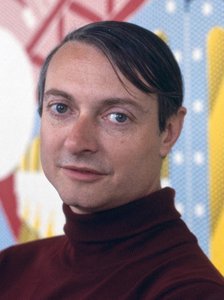
1923 - 1997 , JAV
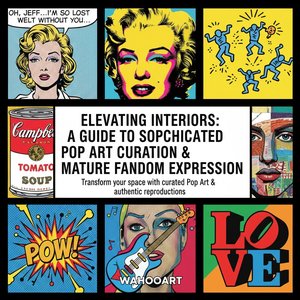
Atraskite poparto meno fenomeną ir jo įtaką šiuolaikiniams interjerams! Eksperto patarimai, kuratoriaus rekomendacijos ir personalizuotų kūrinių galimybės. Sukurkite unikalų dizainą su BuyPopArt.com.
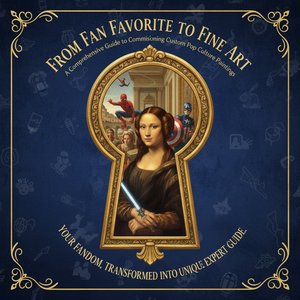
Transform your fandom into stunning art! Our guide covers commissioning custom pop culture paintings – from artist selection & copyright to care tips. Get expert advice and create a unique masterpiece today!

BuyPopArt – rankų darbo aliejinės tapybos reprodukcijų meistrai! Individualūs užsakymai, aukščiausia kokybė ir patikimas šeimos palikimo kūrimas. Paverskite brangias akimirkas į amžiną grožį!
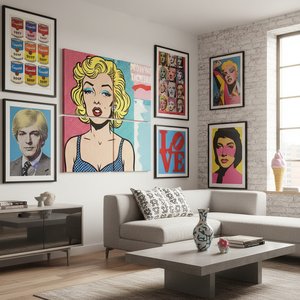
Atraskite 10 ikoniškų Pop Art šedevrų! Andy Warhol, Roy Lichtenstein ir kiti menininkai, kurie pakeitė meno istoriją. Įkvėpkite interjero dekorui su spalvingomis reprodukcijomis. BuyPopArt.com – aukštos kokybės paveikslai internetu.
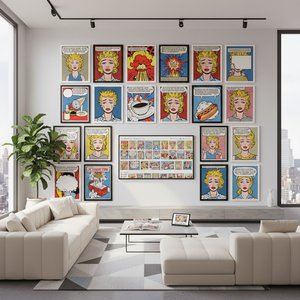
Atraskite 25 ikoniškiausius Roy Lichtenstein darbus – poparto meno šedevrus, spalvingus paveikslus ir įkvepiančią interjero dekoravimo idėjas. Meno reprodukcijos aukščiausia kokybe | BuyPopArt.com


Sekite naujausias meno naujienas, išskirtinius pasiūlymus ir dekoravimo idėjas.
Pasakokite mums apie savo projektą, o mūsų meno ekspertai parengs jums 3 asmeniškus meno pasiūlymus.
Leiskite mums parinkti 3 variantus būtent jums – nemokamai!


 Peržiūrėti realybėje
 Pasidalinti
 Dalintis
 Išsamiau

 Atsisiųsti
 Panašūs eksponatai
 Rentgeno nuotrauka
 Automatinė diorama

 Skaityti daugiau
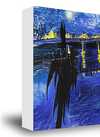
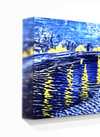
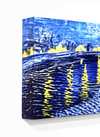
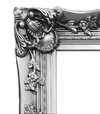
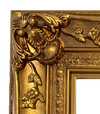
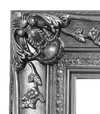
 Stiklo variantas prieinamas tik pasirinkus dydį iki 110 cm