

 Acrylic On CanvasWallArtCapitalist Realism
 1968
1968 60.0 x 50.0 cm
 Serralves Foundation
Įsigykite aukštos skiriamosios raiškos, patobulintą skaitmeninį vaizdą, gerokai pranašesnį už internetinę peržiūrą.
Kiekvieną failą mūsų specialistai kruopščiai paruošia naudojant pažangias technologijas ir profesionalų rankinį retušavimą. Užtikriname, kad kiekvienas vaizdas pasižymėtų išskirtiniu aiškumu, tikslia spalvų atspalviu ir smulkiomis detalėmis.
Baigiamas failas el. paštu pristatomas per 72 valandas; jis optimizuotas nedelsiant naudojimui profesionalioje, redakcinėje ir spausdinimo aplinkoje. Tai ta pati kokybė, kuria pasitiki aukščiausios klasės dizaino studijos, leidyklos ir galerijos.
Atsisiųskite didelės raiškos failą asmeniniam naudojimui, spausdinimui ir kūrybiniams projektams. ( Pirkti spaudinį Pirkti rankomis tapytą paveikslą)
Pasirinkę BuyPopArt.com, jūs ne tik gaunate paveikslėlį – jūs gaunate profesionaliai patobudintą skaitmeninį kūrinį, sukurtą itin tikniai ir užtikrinantį pasitenkinimą. Štai viską, kas automatiškai pritékia jūsų užsakymui:

Jūsų aukštos raiškos skaitmeninis vaizdo failas bus išsiųstas jums el. paštu per 72 valaudas nuo užsakymo – paruoštas naudojimui be jokių papildomų veiksmų.

Jūsų meno kūrinys profesionaliai optimizuojamas naudojant pažangius dirbtinio intelekto įrankius ir rankinį redagavimą, užtikrinant maksimalią detalę, aiškumą ir spalvų tikslumą.

Atsitiktinai ištrytikote ar praradote savo failą? Nebijokite – bet kuriuo metu atsiųsime jį jums vėl nemokamai.

Mėgaukitės savo meno kūriniu akimirka – skaitiniai failai visada yra neapmokestinami, todėl nereikės mokėti muitinės, mokesčių ar pristatymo mokesčių.

Naudodami profesionalią įrangą ir spalvų valdymo sistemas, užtikriname, kad jūsų skaitmeninis vaizdas kuo tiksliau atspindėtų originalias spalvas.

Jei nebuvate patenkinti savo skaitinio vaizdo, per 60 dienų jį pertaisysime arba grąkinsime 100% sumą – be jokių klausimų.

Nepat 만족inti? Gaukite visą sumokėtą sumą per 60 dienų nuo skaitmeninio failo gavimo – be jokių papildomų klausimų.

Pirkti 3 nuotraukas – pasiūla 10% - Pirkti 5 – pasiūla 15% - Pirkti 10 ir daugiau – pasiūla 20%. Puikiai tinka kūrybiniams projektams, galerijoms bei agentūroms.
Sigmar Polke's "Sem título" (1968), a deceptively simple grid of black and white photographs, is far more than just a collection of meticulously arranged objects. It’s a profound exploration of memory, displacement, and the inherent instability of visual perception – themes deeply rooted in the artist’s own turbulent personal history. Born in Poland amidst the upheaval of World War II and subsequently forced to flee to Germany as a child, Polke carried with him an indelible awareness of precariousness and the fragmented nature of identity. This photograph, executed during a pivotal period of artistic experimentation in Düsseldorf, embodies this sensibility through its stark austerity and deliberate reduction of visual information.
The photographs themselves depict a series of still lifes – commonplace objects like furniture fragments, cutlery, and small decorative items – presented against uniformly neutral backgrounds. The compositions are remarkably geometric, emphasizing the inherent shapes and forms of each element. There’s an almost clinical precision to their arrangement, yet this formality is immediately undercut by the deliberate use of shadow and light. Polke masterfully employs a consistent lighting scheme that casts deep, dramatic shadows, lending a sense of weight and solidity to the seemingly mundane subjects. The perspective is frontal and straightforward, eschewing any illusionistic depth or attempt at creating a convincing three-dimensional space. This flattening effect reinforces the photograph’s conceptual core – it's not about depicting reality, but rather about distilling it down to its essential components.
“Sem título” is inextricably linked to Polke’s influential movement, “Kapitalistischer Realismus,” which he co-founded with Gerhard Richter and Konrad Fischer (alias Konrad Lueg) in the early 1960s. This artistic stance rejected the prevailing avant-garde trends of the time, rejecting both abstract expressionism and socialist realism. Instead, it embraced a deliberately uninspired, almost banal style of imagery – mimicking the aesthetic conventions of advertising, mass media, and consumer culture. Polke’s work in this period reflects this ethos; the photographs are devoid of any overt emotionality or artistic pretension, mirroring the detached, repetitive visuals found in commercial art. This deliberate lack of stylistic flourish serves to highlight the inherent artificiality of representation itself, prompting viewers to question how we perceive and interpret images.
The technical execution of “Sem título” is as significant as its conceptual content. Polke’s approach involved a careful balance between control and chance. He utilized a Rollei camera, meticulously framing each composition before capturing the image. However, the subsequent printing process introduced an element of unpredictability. Polke experimented with techniques such as chemical staining and manipulation of negatives and positives, creating layered images that defy simple categorization. The photographs are not simply reproductions of the original arrangements; they’re transformed through a complex interplay of light, shadow, and photographic chemistry. This deliberate blurring of boundaries between photography and painting reflects Polke's broader interest in exploring the limits of both mediums.
Despite its apparent simplicity, “Sem título” is rich with symbolic meaning. The arrangement of objects – seemingly ordinary items elevated to a sculptural form – can be interpreted as a meditation on memory and loss. The starkness of the black and white palette evokes a sense of melancholy and detachment, mirroring Polke’s own experience of displacement and exile. The photographs subtly suggest a feeling of fragmentation and instability, reflecting the artist's awareness of the precariousness of identity in a rapidly changing world. Ultimately, “Sem título” is not merely a visual record; it’s an evocative exploration of the human condition – a poignant reminder of the enduring power of memory and the complexities of perception.
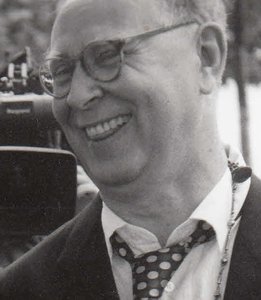
1941 - 2010 , Polija


Sekite naujausias meno naujienas, išskirtinius pasiūlymus ir dekoravimo idėjas.
Pasakokite mums apie savo projektą, o mūsų meno ekspertai parengs jums 3 asmeniškus meno pasiūlymus.
Leiskite mums parinkti 3 variantus būtent jums – nemokamai!


 Peržiūrėti realybėje
 Pasidalinti
 Dalintis
 Išsamiau

 Atsisiųsti
 Panašūs eksponatai
 Rentgeno nuotrauka
 Automatinė diorama
 Skaityti daugiau


