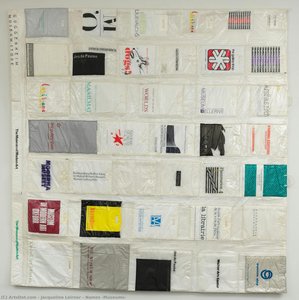
1999
1999 246.0 x 146.0 cm
Įsigykite aukštos skiriamosios raiškos, patobulintą skaitmeninį vaizdą, gerokai pranašesnį už internetinę peržiūrą.
Kiekvieną failą mūsų specialistai kruopščiai paruošia naudojant pažangias technologijas ir profesionalų rankinį retušavimą. Užtikriname, kad kiekvienas vaizdas pasižymėtų išskirtiniu aiškumu, tikslia spalvų atspalviu ir smulkiomis detalėmis.
Baigiamas failas el. paštu pristatomas per 72 valandas; jis optimizuotas nedelsiant naudojimui profesionalioje, redakcinėje ir spausdinimo aplinkoje. Tai ta pati kokybė, kuria pasitiki aukščiausios klasės dizaino studijos, leidyklos ir galerijos.
Atsisiųskite didelės raiškos failą asmeniniam naudojimui, spausdinimui ir kūrybiniams projektams. ( Pirkti spaudinį Pirkti rankomis tapytą paveikslą)
Pasirinkę BuyPopArt.com, jūs ne tik gaunate paveikslėlį – jūs gaunate profesionaliai patobudintą skaitmeninį kūrinį, sukurtą itin tikniai ir užtikrinantį pasitenkinimą. Štai viską, kas automatiškai pritékia jūsų užsakymui:

Jūsų aukštos raiškos skaitmeninis vaizdo failas bus išsiųstas jums el. paštu per 72 valaudas nuo užsakymo – paruoštas naudojimui be jokių papildomų veiksmų.

Jūsų meno kūrinys profesionaliai optimizuojamas naudojant pažangius dirbtinio intelekto įrankius ir rankinį redagavimą, užtikrinant maksimalią detalę, aiškumą ir spalvų tikslumą.

Atsitiktinai ištrytikote ar praradote savo failą? Nebijokite – bet kuriuo metu atsiųsime jį jums vėl nemokamai.

Mėgaukitės savo meno kūriniu akimirka – skaitiniai failai visada yra neapmokestinami, todėl nereikės mokėti muitinės, mokesčių ar pristatymo mokesčių.

Naudodami profesionalią įrangą ir spalvų valdymo sistemas, užtikriname, kad jūsų skaitmeninis vaizdas kuo tiksliau atspindėtų originalias spalvas.

Jei nebuvate patenkinti savo skaitinio vaizdo, per 60 dienų jį pertaisysime arba grąkinsime 100% sumą – be jokių klausimų.

Nepat 만족inti? Gaukite visą sumokėtą sumą per 60 dienų nuo skaitmeninio failo gavimo – be jokių papildomų klausimų.

Pirkti 3 nuotraukas – pasiūla 10% - Pirkti 5 – pasiūla 15% - Pirkti 10 ir daugiau – pasiūla 20%. Puikiai tinka kūrybiniams projektams, galerijoms bei agentūroms.
Wang Dongling, born in Rudong, China, in 1945, stands as one of the most revered figures in contemporary Chinese art. His journey is a fascinating synthesis of rigorous classical training – specifically, his deep immersion in traditional calligraphy – with an increasingly bold exploration of abstract expressionism. More than simply an artist, Dongling embodies a bridge between centuries-old artistic heritage and the dynamic spirit of modern China, forging a unique visual language that continues to captivate audiences worldwide.
Dongling’s early life was steeped in the discipline of calligraphy. He began his formal training at the Zhejiang Academy, laying a foundational understanding of brushwork, ink control, and the profound philosophical undercurrents embedded within Chinese writing. This grounding proved crucial as he later transitioned to a more experimental approach, driven by an insatiable curiosity about the possibilities beyond representational art. His shift wasn’t abrupt; rather, it was a gradual evolution fueled by exposure to Western abstract expressionism – movements like those of Pollock and Rothko – which ignited within him a desire to liberate calligraphy from its traditional constraints.
Dongling’s most recognized body of work, often referred to as “calligraphic paintings,” represents the culmination of this transformative journey. These monumental pieces are not mere imitations of calligraphy; they are entirely new artistic expressions born from a deep respect for their roots. He describes these works as "poetry painted," meticulously layering calligraphic forms onto vast canvases with an almost meditative intensity. The process is deeply performative, often involving extended periods of intense brushwork and physical exertion – mirroring the very act of writing itself.
Central to Dongling’s approach is his deliberate use of monochrome palettes, predominantly shades of grey. This choice isn't arbitrary; it serves to heighten the focus on texture, gesture, and the inherent dynamism of the ink. The absence of color forces the viewer to engage with the materiality of the medium – the subtle variations in tone, the delicate interplay of wet and dry brushstrokes, and the sheer physicality of the artwork. His work is frequently described as “abstract ink art,” a term that accurately captures its unique blend of tradition and innovation.
A defining characteristic of Dongling’s practice is his incorporation of performance into the creation of his ‘calligraphic paintings.’ He doesn't simply apply ink to canvas; he *performs* the act of writing, translating poems – often from classical Chinese literature – into gestural abstractions. These performances are not mere demonstrations of skill but deeply ritualistic events, imbued with a sense of spiritual intensity. As Roberta Smith noted in her New York Times review, Dongling “liberates calligraphic gesture, form and space from the bounds of text.”
This emphasis on embodied action is further explored through his technique of ‘chemical photography.’ By directly applying ink to silver-gelatin photographic paper, he captures the very traces of his movements – the pressure of his brush, the angle of his hand, the subtle shifts in tone. This process creates a layered dialogue between performance and image, revealing the intimate connection between the artist’s body and the artwork.
Wang Dongling's work has garnered widespread recognition both within China and internationally. He is considered one of the foremost living calligraphers in China, holding the distinction of being granted three solo exhibitions at the National Art Museum of China. His pieces have been exhibited extensively across Europe, North America, and Asia, including prestigious venues such as the Metropolitan Museum of Art in New York and the British Museum in London.
Currently, Dongling serves as Director of the Modern Calligraphy Research Center at the China Academy of Arts in Hangzhou, continuing to nurture and promote the art form he has so profoundly shaped. His legacy extends beyond individual artworks; he represents a vital link between China’s rich artistic past and its dynamic future, demonstrating how tradition can be both honored and reimagined through innovative expression.

1945 - , China


Sekite naujausias meno naujienas, išskirtinius pasiūlymus ir dekoravimo idėjas.
Pasakokite mums apie savo projektą, o mūsų meno ekspertai parengs jums 3 asmeniškus meno pasiūlymus.
Leiskite mums parinkti 3 variantus būtent jums – nemokamai!


 Peržiūrėti realybėje
 Pasidalinti
 Dalintis
 Išsamiau

 Atsisiųsti
 Panašūs eksponatai
 Rentgeno nuotrauka
 Automatinė diorama
 Skaityti daugiau