

Muziejų lygio „giclée“ arba drobos spausdinimas: greita gamyba ir lankstios apdailos parinktys. ( Perejti prie rankinio darbo paveikslėlio Perjungti į vaizdą)





























Pasirinkite iš mūsų nustatytų dydžių, atitinkančių originalaus meno kūrinio proporcijas.

Galite nurodyti savo matmenis, kad vaizdas atitiktų konkretų rėmą ar erdvę. Jei pasirinktas dydis nesutaps su originalaus paveikslėlio proporcijomis, mes arba apkirpsime kūrinį, arba išplėsime vaizdą naudojant veideliu atspindėtą arba vientisą šoną. Skaitmeninis maketas bus išsiųstas jums patvirtinti prieš pradedant gamybą.
Atkreipkite dėmesį, kad ekrane matomas vaizdinys neatspindi tikrojo apkirpimo ar išplėtimo. Tik maketas tiksliai parodytų galutinę kompoziciją.
Nors galima rinktis ir individualius dydžius, rekomenduojame pasirinkti vieną iš išanksti nustatytų matmenų, kad būtų išlaikytos originalios proporcijos.
Pristatymas visame pasaulyje () per 2 weeks, o ne įprastas 4/5 savaičių laikotarpis. (6 rugpjūtis)


Pluto
Reprodukcijos matmenys
William Blake's “Pluto,” a captivating depiction of celestial figures amidst swirling clouds and a soaring bird, stands as a potent emblem of the Romantic artist’s unique vision. Painted during a period of intense spiritual and intellectual ferment in England – a nation wrestling with the dawn of industrialization while simultaneously yearning for transcendent experiences – this work embodies Blake's profound engagement with mythology, religion, and the human psyche. The painting immediately draws the viewer into a realm of symbolic weight, where classical archetypes intertwine with Blake’s own intensely personal iconography. It is a testament to his ability to translate visionary experience directly onto canvas, creating an image that simultaneously evokes awe and unease.
Blake’s work is saturated with symbolism, drawing heavily from classical mythology and his own complex theological beliefs. “Pluto,” the Roman god of the underworld, represents not just death but also transformation and regeneration – a crucial theme within Blake's oeuvre. The presence of angels or celestial beings suggests a connection to higher realms, while the bird could symbolize hope, freedom, or perhaps even the soul’s journey through the afterlife. The clouds themselves are often interpreted as representing the turbulent emotions and spiritual struggles that characterized Blake’s life and art. It is important to note that Blake rejected traditional religious dogma, instead developing his own unique system of beliefs centered around concepts like ‘Urizen’ and ‘Orc,’ which informed much of his artistic output.
Created during the late 18th and early 19th centuries, “Pluto” reflects the broader intellectual currents of the Romantic era. Blake’s work challenged the rationalism of the Enlightenment, advocating instead for intuition, imagination, and a direct engagement with spiritual experience. His rejection of academic art conventions – favoring bold colors, expressive lines, and symbolic imagery – aligned him with the burgeoning artistic movements that sought to redefine beauty and challenge established norms. Blake's unique perspective, born from his own intense inner life, anticipated many of the themes explored by later Romantic artists and poets.
"Pluto" possesses a profound emotional resonance, inviting viewers to contemplate themes of mortality, spirituality, and the human condition. Its dramatic composition, evocative symbolism, and Blake’s masterful technique combine to create an image that is both unsettling and deeply moving. BuyPopArt.com offers meticulously crafted hand-painted reproductions of this iconic work, allowing you to experience its beauty and power in a tangible form. Each reproduction captures the essence of Blake's original vision, ensuring that this timeless masterpiece remains accessible for generations to come.
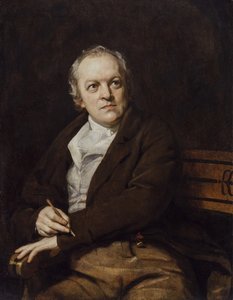
1757 - 1827 , Jungtinė Karalystė
Atraskite 25 įspūdingiausius Francisco Goya šedevrus! Ispanų romantizmo meistro paveikslai, portretai ir juodoji tapyba. Įkvėpkite interjerui su aukštos kokybės Goya reprodukcijomis | BuyPopArt.com

Explore the life & art of Sir William Blake Richmond, a pivotal figure bridging Pre-Raphaelitism and Aestheticism. Discover his stunning portraits, mosaics at St Paul's Cathedral, and lasting influence on Victorian art.

Explore the serene landscapes of John Varley I, a key figure in British Romanticism. Discover his unique watercolour style, collaboration with William Blake & lasting artistic legacy. Learn about collecting Varley's work.

Explore the captivating history of angels in art! Discover symbolism, iconic Renaissance masterpieces & renowned artists. Expert insights for art lovers & collectors at BuyPopArt.

Explore the captivating history of mythological narratives in Western art! From ancient Greece to modern masterpieces, discover iconic artworks & symbolism. Expert analysis and high-quality reproductions at BuyPopArt.


Sekite naujausias meno naujienas, išskirtinius pasiūlymus ir dekoravimo idėjas.
Pasakokite mums apie savo projektą, o mūsų meno ekspertai parengs jums 3 asmeniškus meno pasiūlymus.
Leiskite mums parinkti 3 variantus būtent jums – nemokamai!


 Peržiūrėti realybėje
 Pasidalinti
 Dalintis
 Išsamiau

 Atsisiųsti
 Panašūs eksponatai
 Rentgeno nuotrauka
 Automatinė diorama

 Skaityti daugiau







 Stiklo variantas prieinamas tik pasirinkus dydį iki 110 cm


