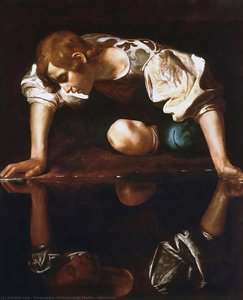
Giclée- of canvasafdruk van museumkwaliteit met een snelle productie en flexibele afwerkingsmogelijkheden. ( Bestel een handgeschilderde reproductie van dit verzamelobject Naar afbeelding wisselen)





























Kies uit onze vooraf ingestelde maten die overeenkomen met de originele verhoudingen van het kunstwerk.

U kunt uw eigen afmetingen opgeven om in een specifieke lijst of ruimte te passen. Als de door u gekozen maat niet overeenkomt met de proporties van het originele kunstwerk, zullen wij de afbeelding bijsnijden of uitbreiden met een gespiegelde of effen rand. Een digitaal mockup wordt ter goedkeuring naar u verzonden voordat de productie begint.
Houd er rekening mee dat de preview op het scherm de werkelijke bijsneding of uitbreiding niet weergeeft. Alleen de mockup toont de uiteindelijke compositie nauwkeurig.
Hoewel aangepaste maten beschikbaar zijn, raden wij aan een afmeting uit de vooraf bepaalde lijst te kiezen om de originele proporties te behouden.
Wereldwijde levering () binnen 2 weken in plaats van de standaard 4/5 weken. (2 augustus)


the fortune teller
Formaat reproductie
Michelangelo Merisi da Caravaggio, a name synonymous with dramatic intensity and revolutionary technique, gifted us with a series of paintings that continue to captivate centuries later. Among his most enigmatic and compelling works is “The Fortune Teller,” painted around 1599 – a piece that transcends mere portraiture, delving into themes of deception, desire, and the precarious nature of human perception. This isn’t simply a depiction of a Romani woman reading palms; it's a carefully constructed tableau brimming with psychological depth and masterful manipulation of light and shadow, hallmarks of Caravaggio’s distinctive style.

The painting immediately draws the viewer into a dimly lit, intimate space. A young man, dressed in opulent attire – a testament to his status – sits attentively before a Romani woman. Her face is partially obscured by shadow, yet her gaze is direct and alluring. The composition is remarkably balanced, with the figures occupying nearly equal visual weight. Crucially, Caravaggio doesn’t offer a straightforward narrative; instead, he presents a moment suspended in time, ripe with unspoken tension. The young man's expression suggests both fascination and perhaps a hint of apprehension. He’s clearly captivated by her presence, while the Romani woman maintains an air of studied nonchalance – a subtle suggestion that she is not merely dispensing prophecies but engaging in a carefully orchestrated game.
A key element often overlooked is the detail within the scene: the young man's hand, partially visible, reveals a ring being deftly removed by the fortune teller. This seemingly minor gesture carries immense symbolic weight – representing a loss of material wealth and perhaps even innocence. It’s a visual metaphor for deception and the vulnerability inherent in succumbing to allure.
What truly elevates “The Fortune Teller” is Caravaggio's unparalleled mastery of *chiaroscuro*, the dramatic contrast between light and dark. He employs a technique known as *tenebrism*, where deep shadows dominate the scene, intensifying the highlights and creating an almost theatrical effect. This isn’t merely about illumination; it’s about sculpting form and conveying emotion. The strong directional light focuses attention on the figures, isolating them from the background and amplifying their psychological drama. The use of a single, unseen light source – likely a window to the left – casts dramatic shafts that pierce through the darkness, highlighting faces and gestures with an almost divine intensity.
Furthermore, Caravaggio’s approach to realism was groundbreaking for his time. He eschewed idealized representations in favor of portraying figures as they truly appeared—with imperfections, wrinkles, and a palpable sense of humanity. This commitment to naturalism is evident in the details of the Romani woman's clothing, her weathered face, and the young man’s youthful features.
“The Fortune Teller” emerged during a period of significant social and artistic change in Rome. Caravaggio was operating within the context of the Counter-Reformation, a time when the Catholic Church sought to reaffirm its authority through art that emphasized religious themes and moral instruction. However, Caravaggio’s work transcends simple didacticism; it explores complex human emotions and psychological states with remarkable subtlety. The Romani people, often viewed with suspicion and prejudice during this era, were frequently associated with fortune-telling and superstition. Caravaggio's depiction challenges these stereotypes, presenting them as enigmatic figures shrouded in mystery.
The painting’s enduring appeal lies not only in its technical brilliance but also in its ability to provoke contemplation about the nature of truth, deception, and the seductive power of appearances. It remains a potent reminder of Caravaggio's genius – a master of light, shadow, and the human heart.
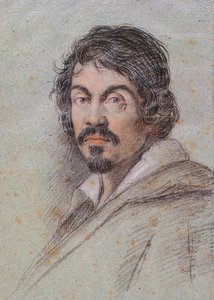
1571 - 1610 , Spanje

Ontdek de 10 meest iconische Barok meesterwerken van Caravaggio, Rembrandt & Rubens! Duik in de geschiedenis en passie achter deze klassieke schilderijen. Vind museumkwaliteit reproducties voor uw interieur op BuyPopArt.com.

Discover the captivating world of Georges de La Tour, a Baroque master renowned for his dramatic chiaroscuro & spiritual realism. Explore key works, influences, and his remarkable rediscovery. Learn more at BuyPopArt.

Explore the dramatic world of Baroque painting! Discover its history, defining characteristics, iconic artists like Caravaggio & Rubens, and lasting influence on Western art. Expert insights for collectors.

Explore the dramatic world of Baroque art! Discover iconic masters like Caravaggio & Rembrandt, their techniques, and the movement's lasting impact. Expert insights for collectors & enthusiasts at BuyPopArt.

Ontdek de 10 meest invloedrijke meesterwerken van het Barok schilderwerk! Caravaggio, Rembrandt & Rubens – leer over hun techniek en passie. Vind museumkwaliteit reproducties & interieurinspiratie op BuyPopArt.com.


Blijf op de hoogte van het laatste kunstnieuws, exclusieve aanbiedingen en inspirerende interieurideeën.
Vertel ons over uw project en onze kunstexperts geven u 3 gepersonaliseerde kunstsuggesties.
Wij stellen 3 opties speciaal voor u samen – Gratis!


 Bekijk op ware grootte
 Verstuur
 Delen
Delen
 Details bekijken

 Download
 Vergelijkbare werken
 Röntgenonderzoek
 Diavoorstelling
 Lees meer







 De optie voor glas is alleen beschikbaar bij een formaat kleiner dan 110 cm.