

 Oil On CanvasWallArtEarly Modern
 1948
1948 132.0 x 99.0 cm
 Walker Art Gallery
Giclée- of canvasafdruk van museumkwaliteit met een snelle productie en flexibele afwerkingsmogelijkheden. ( Bestel een handgeschilderde reproductie van dit verzamelobject Naar afbeelding wisselen)





























Kies uit onze vooraf ingestelde maten die overeenkomen met de originele verhoudingen van het kunstwerk.

U kunt uw eigen afmetingen opgeven om in een specifieke lijst of ruimte te passen. Als de door u gekozen maat niet overeenkomt met de proporties van het originele kunstwerk, zullen wij de afbeelding bijsnijden of uitbreiden met een gespiegelde of effen rand. Een digitaal mockup wordt ter goedkeuring naar u verzonden voordat de productie begint.
Houd er rekening mee dat de preview op het scherm de werkelijke bijsneding of uitbreiding niet weergeeft. Alleen de mockup toont de uiteindelijke compositie nauwkeurig.
Hoewel aangepaste maten beschikbaar zijn, raden wij aan een afmeting uit de vooraf bepaalde lijst te kiezen om de originele proporties te behouden.
Wereldwijde levering () binnen 2 weken in plaats van de standaard 4/5 weken. (6 augustus)


Sketch
Formaat reproductie
David Bomberg’s “Sketch,” painted in 1948, isn’t merely a depiction of a scene; it’s an embodiment of the artist’s evolving vision during a pivotal period in British art. Born into a Polish-Jewish family in Birmingham and deeply influenced by the avant-garde movements swirling around London – Cubism, Futurism, and the radical ideas championed by Roger Fry – Bomberg sought to translate these complex influences into a distinctly personal language. This particular work, created shortly after his expulsion from the Slade School of Art for his perceived “audacity,” reflects both a rejection of academic constraints and an embrace of dynamic abstraction. The painting’s raw energy and fragmented forms speak volumes about the anxieties and transformations shaping the post-war artistic landscape.

Bomberg’s technique in “Sketch” is immediately arresting. He employs a bold, almost aggressively simplified palette dominated by vibrant reds, oranges, and yellows – colors that evoke both heat and intensity. These hues are layered and blended with remarkable skill, creating a sense of depth and movement despite the painting's predominantly geometric structure. The composition itself is fractured, composed of interlocking planes and angular shapes that seem to vibrate with energy. This deliberate fragmentation isn’t chaotic; rather, it mirrors the artist’s exploration of form and his desire to capture not just what he *saw*, but how he *felt* about what he saw. The use of thick impasto – applying paint in heavy layers – adds a tactile quality to the work, inviting the viewer to engage with its surface.
Bomberg was part of the “Whitechapel Boys,” a group of young artists who challenged the established artistic conventions of early 20th-century London. This collective, including Mark Gertler and Stanley Spencer, were deeply influenced by the avant-garde movements emerging from Paris and Italy. His time at the Slade School of Art, under the tutelage of Henry Tonks, provided a crucial foundation, but Bomberg quickly surpassed his teacher’s more traditional approach. His work reflects this trajectory, incorporating elements of Cubism – particularly in its emphasis on multiple perspectives – alongside the dynamism of Futurism and the emotional intensity of Expressionism. Further research reveals that Bomberg's exploration of Jerusalem Church (as documented in a separate BuyPopArt article) demonstrates his continued interest in capturing spiritual themes through abstract forms.
“Sketch” is more than just a visually striking composition; it's an exploration of emotional states. The intense colors and fragmented forms evoke feelings of both excitement and unease. Some art historians interpret the painting as a reflection of Bomberg’s personal struggles, particularly his experiences in the trenches during World War I. The dynamism of the composition suggests a restless spirit, while the underlying geometric structure hints at an attempt to impose order on chaos. Ultimately, “Sketch” invites viewers to contemplate the complexities of human experience and the power of art to capture the intangible.
Geboren als zoon van Pools-Joodse immigranten, Abraham en Rebecca Bomberg, studeerde hij aanvankelijk aan de City and Guilds Technical Art School voordat hij zich in Birmingham opleidde tot lithograaf.
Hij studeerde onder Walter Sickert aan de Westminster School of Art (1908-1910), waarbij hij werd beïnvloed door de focus van Sickert op vorm en het stedelijke leven. Een cruciale ontmoeting met het werk van Paul Cézanne vond plaats via de tentoonstelling "Manet and the Post-Impressionists" van Roger Fry in 1910. Later volgde hij een opleiding aan de Slade School of Art (1911), waar hij de Tonks Prize won voor zijn tekening van medestudent Isaac Rosenberg.
De ervaringen als gewone soldaat tijdens de Eerste Wereldoorlog hadden een diepgaande impact op zijn artistieke visie, wat leidde tot een beweging weg van de abstractie.
In de jaren 20 nam Bomberg een meer figuratieve stijl aan, waarbij hij zich concentreerde op portretten en landschappen die rechtstreeks uit de natuur werden ontleend. Hij ontwikkelde een steeds expressionistischere techniek, gekenmerkt door een textuurrijke impasto en emotionele intensiteit.
Uitgebreide reizen door het Midden-Oosten (met name Palestina) en Europa hebben zijn latere werk aanzienlijk beïnvloed. Zijn afbeeldingen van Jeruzalem zijn hierbij bijzonder opmerkelijk.

1890 - 1957 , Verenigd Koninkrijk
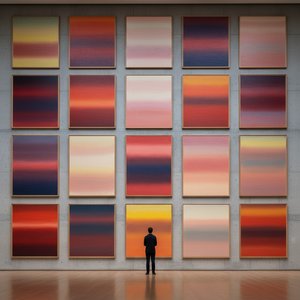
Ontdek de top 25 meesterwerken van Mark Rothko! Duik diep in zijn emotionele kleurveldschilderijen en abstract expressionisme. Vind museumkwaliteit Rothko reproducties & interieurinspiratie op BuyPopArt.com.
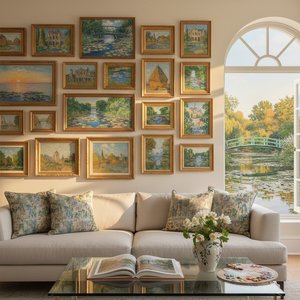
Ontdek de 25 meest iconische werken van Claude Monet! Duik in de wereld van impressionisme, kleur en licht. Van Waterlelies tot Zonsopgang – bekijk de meesterwerken & vind perfecte kunst voor jouw interieur op BuyPopArt.com.
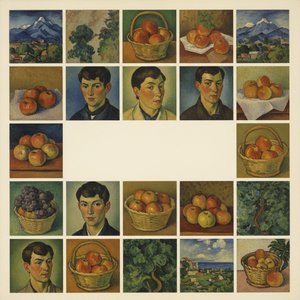
Ontdek de 25 meest iconische schilderijen van Paul Cézanne! Duik in zijn kleurrijke wereld, leer over impressionisme & post-impressionisme en bewonder meesterwerken als 'De Baders'. Vind museumkwaliteit reproducties & interieurinspiratie op BuyPopArt.com.

Ontdek de kracht van grijs in 10 iconische schilderijen! Van Monet tot Rembrandt, ervaar meesterwerken uit het impressionisme & realisme. Vind uw perfecte kunst reproductie op BuyPopArt.com en breng tijdloze schoonheid in huis.

Ontdek de 25 meest iconische schilderijen van Winslow Homer! Duik in zijn realistische marineschilderijen, Amerikaanse landschappen & emotionele kunstwerken. Vind museumkwaliteit reproducties en inspiratie voor uw interieur op BuyPopArt.com.


Blijf op de hoogte van het laatste kunstnieuws, exclusieve aanbiedingen en inspirerende interieurideeën.
Vertel ons over uw project en onze kunstexperts geven u 3 gepersonaliseerde kunstsuggesties.
Wij stellen 3 opties speciaal voor u samen – Gratis!


 Bekijk op ware grootte
 Verstuur
 Delen
Delen
 Details bekijken

 Download
 Vergelijkbare werken
 Röntgenonderzoek
 Diavoorstelling
 Lees meer







 De optie voor glas is alleen beschikbaar bij een formaat kleiner dan 110 cm.


