Giclée- of canvasafdruk van museumkwaliteit met een snelle productie en flexibele afwerkingsmogelijkheden. ( Bestel een handgeschilderde reproductie van dit verzamelobject Naar afbeelding wisselen)





























Kies uit onze vooraf ingestelde maten die overeenkomen met de originele verhoudingen van het kunstwerk.

U kunt uw eigen afmetingen opgeven om in een specifieke lijst of ruimte te passen. Als de door u gekozen maat niet overeenkomt met de proporties van het originele kunstwerk, zullen wij de afbeelding bijsnijden of uitbreiden met een gespiegelde of effen rand. Een digitaal mockup wordt ter goedkeuring naar u verzonden voordat de productie begint.
Houd er rekening mee dat de preview op het scherm de werkelijke bijsneding of uitbreiding niet weergeeft. Alleen de mockup toont de uiteindelijke compositie nauwkeurig.
Hoewel aangepaste maten beschikbaar zijn, raden wij aan een afmeting uit de vooraf bepaalde lijst te kiezen om de originele proporties te behouden.
Wereldwijde levering () binnen 2 weken in plaats van de standaard 4/5 weken. (6 augustus)


Au Prado
Formaat reproductie
Édouard Manet’s “Au Prado,” completed around 1863 and reworked circa 1867, stands as a deceptively simple yet profoundly significant etching that encapsulates the spirit of Impressionism's nascent stages. More than just a depiction of a Parisian street scene—a commonplace subject for artists of the time—it’s a carefully constructed tableau designed to provoke contemplation about modernity and artistic innovation.
The image portrays a group of figures gathered in front of the Prado Museum, capturing a moment of leisure amidst the bustle of urban life. Manet eschewed academic conventions, prioritizing observation over idealized representation. He meticulously rendered the textures of clothing—the voluminous skirts of women—and the subtle interplay of light and shadow on surfaces, mirroring techniques honed by masters like Caravaggio and Velázquez.
A woman dominates the composition, holding an umbrella aloft as if shielding herself from impending rain. This gesture isn’t merely functional; it symbolizes vulnerability and perhaps a hint of melancholy – emotions Manet skillfully conveyed through subtle facial expressions and posture. The inclusion of two dogs adds to the scene's realism and contributes to its overall mood.
As evidenced by extensive research (links provided), “Au Prado” has garnered considerable attention from art historians and collectors alike. Its enduring appeal lies in Manet’s masterful execution and his willingness to challenge established artistic norms, cementing its place as a cornerstone of Impressionist art history. Reproductions offer an opportunity to appreciate this iconic artwork's beauty and complexity within the comfort of your own home.
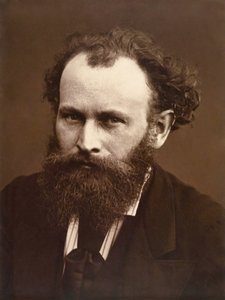
1832 - 1883 , Frankrijk
Ontdek de 25 meest iconische schilderijen van Édouard Manet, pionier van het Impressionisme. Lees over Le Déjeuner sur l'herbe, Olympia en meer! Museumkwaliteit reproducties & kunst voor uw interieur op BuyPopArt.com
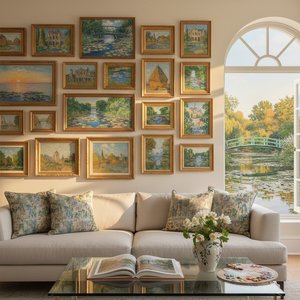
Ontdek de 25 meest iconische werken van Claude Monet! Duik in de wereld van impressionisme, kleur en licht. Van Waterlelies tot Zonsopgang – bekijk de meesterwerken & vind perfecte kunst voor jouw interieur op BuyPopArt.com.
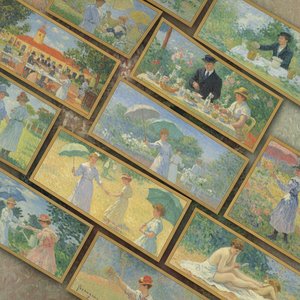
Ontdek de 25 mooiste schilderijen van Pierre-Auguste Renoir! Duik in de wereld van het Impressionisme, kleur en licht. Van 'Bal du moulin' tot intieme portretten – bekijk de meesterwerken & vind jouw perfecte reproductie op BuyPopArt.com.
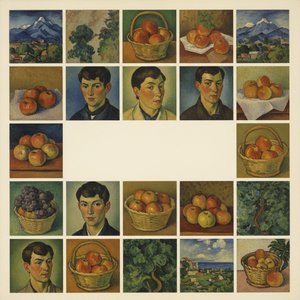
Ontdek de 25 meest iconische schilderijen van Paul Cézanne! Duik in zijn kleurrijke wereld, leer over impressionisme & post-impressionisme en bewonder meesterwerken als 'De Baders'. Vind museumkwaliteit reproducties & interieurinspiratie op BuyPopArt.com.

Journey through Impressionistic Realism with 10 iconic masterpieces by Monet, Renoir & Van Gogh. Explore art history, techniques & find museum-quality reproductions for your home at BuyPopArt.com. Discover all masterpieces online!


Blijf op de hoogte van het laatste kunstnieuws, exclusieve aanbiedingen en inspirerende interieurideeën.
Vertel ons over uw project en onze kunstexperts geven u 3 gepersonaliseerde kunstsuggesties.
Wij stellen 3 opties speciaal voor u samen – Gratis!


 Bekijk op ware grootte
 Verstuur
 Delen
Delen
 Details bekijken

 Download
 Vergelijkbare werken
 Röntgenonderzoek
 Diavoorstelling

 Lees meer







 De optie voor glas is alleen beschikbaar bij een formaat kleiner dan 110 cm.