PreviewPreview Print kopen Print kopenBestel schilderij Bestel schilderij VerstuurVerstuur
Details bekijkenDetails bekijken Toevoegen aan favorieten Toevoegen aan favorieten DownloadDownload Vergelijkbare werkenVergelijkbare werken RöntgenonderzoekRöntgenonderzoek DiavoorstellingDiavoorstelling

Automat

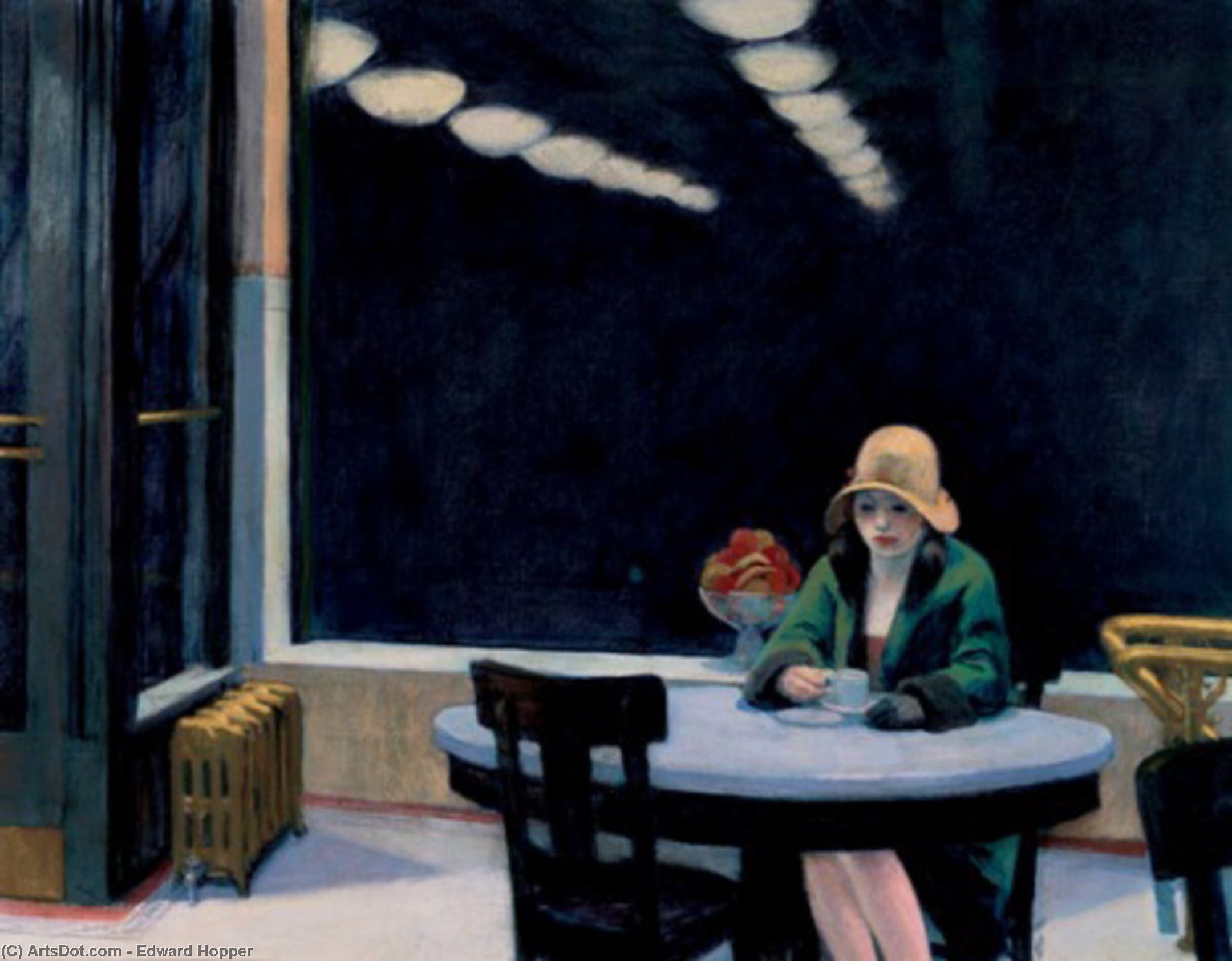
Edward Hopper's "Automat": Een prachtige afbeelding van eenzame levenswijze en licht. Ontdek zijn stijlvolle compositie en tijdloze schoonheid. Een klassieker van Amerikaanse Realisme!

Edward Hopper: Een meester van Amerikaanse realisme, vangt eenzaamheid en stedelijk leven met evocatieve licht & schaduw. Ontdek iconische schilderijen zoals Nighthawks.

Koop een digitale afbeelding met hoge resolutie en verbeterde kwaliteit, die veel superieur is aan de online voorvertoning.

Elk bestand wordt met uiterste precisie voorbereid door onze interne specialisten, met behulp van geavanceerde tools en deskundige handmatige retouche. Wij garanderen dat elke afbeelding een uitzonderlijke helderheid, nauwkeurige kleurweergave en verfijnde details bezit.

Het uiteindelijke bestand wordt binnen 72 uur per e-mail geleverd, geoptimaliseerd voor direct gebruik in professionele, redactionele en printomgevingen. Dit is dezelfde kwaliteit waarop topontwerpstudio's, uitgevers en galerieën vertrouwen.

Digitale afbeeldingen

Download een bestand met hoge resolutie voor persoonlijke weergave, afdrukken en creatieve projecten.

Totaalbedrag

$9.99

Inbegrepen bij elke bestelling van een digitale afbeelding

Professionele digitale levering, gegarandeerd

Wanneer u kiest voor BuyPopArt.com, ontvangt u niet alleen een afbeelding – u krijgt een professioneel verbeterd digitaal kunstwerk, met precisie vervaardigd en voorzien van een tevredenheidsgarantie. Dit is alles wat automatisch bij uw bestelling is inbegrepen:

shipping_icon
Snelle digitale levering

Uw hoogwaardige digitale afbeeldingsbestand wordt binnen 72 uur na bestelling naar u gemaild – klaar voor direct gebruik.

canvas_icon
Met AI verbeterd digitaal bestand

Uw kunstwerk wordt professioneel geoptimaliseerd met behulp van geavanceerde AI-tools en handmatige bewerkingen, waardoor maximale details, helderheid en kleurnauwkeurigheid worden gegarandeerd.

insurance_icon
Gratis levenslange herlevering van digitale afbeeldingen

Je bestand per ongeluk verwijderd of kwijtgeraakt? Geen zorgen – we sturen het u op elk gewenst moment gratis opnieuw toe.

tax_icon
Geen invoerkosten - Altijd

Geniet direct van uw kunstwerk zonder invoerrechten, belastingen of verzendkosten – digitale downloads zijn altijd belastingvrij.

color_icon
Garantie op kleurgetrouwheid

Met behulp van professionele hulpmiddelen en kleurbeheer zorgen wij ervoor dat uw digitale afbeelding de originele kleuren zo nauwkeurig mogelijk weergeeft.

return_icon
60 dagen tevredenheidsgarantie

Als u niet tevreden bent met uw digitale afbeelding, passen wij deze aan of storten wij 100% terug binnen 60 dagen – zonder vragen gesteld.

guarantee_icon
100% Geld-terug-garantie

Niet tevreden? Ontvang binnen 60 dagen na ontvangst van uw digitale bestand uw volledige aankoopbedrag terug – zonder vragen te stellen.

discount_icon
Korting bij grote bestellingen

Koop 3 afbeeldingen, bespaar 10% - Koop 5, bespaar 15% - Koop 10+, bespaar 20%. Ideaal voor creatieve projecten, galerieën en bureaus.
Snelle feiten

  • dimensions: {'height': 91, 'unit': 'cm', 'width': 71}
  • influences:
    • Ralph Waldo Emerson
    • Édouard Manet
    • Edgar Degas
  • medium: Oil on canvas
  • title: Automat
  • movement: American Realism
  • notable_elements:
    • Use of deep blues and dark tones creating a somber atmosphere
    • Contrast between the illuminated figure and the dark background
    • Subdued lighting casting gentle shadows and highlighting specific areas
  • subject: A solitary woman seated in a dimly lit automat, evoking themes of loneliness and contemplation

Kunstquiz

Er is slechts één correct antwoord op elke vraag.

Vraag 1:
Who is the artist of the painting 'Automat'?
Vraag 2:
In what year was 'Automat' created?
Vraag 3:
What is the primary color palette of 'Automat'?
Vraag 4:
Which artistic movement does 'Automat' belong to?
Vraag 5:
What is the subject matter of 'Automat'?

Beschrijving verzamelobject

Een Meesterwerk van Stilte en Licht

Edward Hoppers "Automat" (1927) is een essentieel voorbeeld van het Amerikaans Realisme, waarin de verstilde eenzaamheid en de introspectieve stemming die zo kenmerkend zijn voor zijn oeuvre, perfect worden gevangen. Dit suggestieve schilderij nodigt de kijker uit in een gedimd interieur waar een eenzame vrouw aan een ronde tafel zit in wat lijkt op een automat—een type zelfbedieningsrestaurant dat populair was in het Amerika van het begin van de 20e eeuw. De scène is gehuld in een zacht, ingetogen licht dat het gezicht van de vrouw en de schaal met fruit op tafel accentueert, waardoor een gevoel van stil drama en emotionele diepgang ontstaat.

Stijl en Compositie

De stijl van Hopper kenmerkt zich door zijn realisme en oog voor detail, maar is tegelijkertijd doordrenkt met een gestileerde kwaliteit die de emotioneontlading vergroot. De compositie is in evenwicht maar licht uit het midden geplaatst, waardoor de blik van de toeschouwer onvermijdelijk naar de vrouw als centraal middelpunt wordt getrokken. Het gebruik van verticale en horizontale lijnen in de raamkozijnen en de radiator zorgt voor structuur, terwijl de gebogen lijnen van de hoed van de vrouw en de schaal zachtheid aan de scène toevoegen. De mix van geometrische en organische vormen, samen met een scala aan texturen—van gladde oppervlakken tot tastbare elementen zoals de gevlochten stoel—creëert een rijke visuele ervaring.

Kleurenpalet en Lichtinval

Het kleurenpalet wordt gedomineerd door diepblauwe en donkere tinten, wat een sombere atmosfeer creëert die contrasteert met de lichtere kleuren van de kleding van de vrouw—groen voor haar jas en roze voor haar jurk. De schaal met fruit voegt een vleugje warmte toe met zijn rode en gele accenten. Hoppers meesterlijke gebruik van licht en schaduw is duidelijk zichtbaar in de zachte gloed die het gezicht van de vrouw en het fruit verlicht, waardoor zachte schaduwen ontstaan die diepte aan de scène geven. Dit spel van licht en donker versterkt niet alleen de visuele aantrekkingskracht, maar draagt ook bij aan de algehele melancholische stemming van het schilderij.

Historische Context en Symboliek

Geschilderd in 1927, weerspiegelt "Automat" het sociale en culturele landschap van het Amerika van het begin van de 20e eeuw. De automat, een symbool van moderniteit en efficiëntie, was een plek waar mensen alleen of met anderen konden dineren, vaak in anonimiteit. Hoppers weergave van een eenzame figuur in een dergelijke setting onderstreept thema's van eenzaamheid en isolatie, die alomtegenwoordig waren in de stedelijke ervaring van die tijd. De schaal met fruit, een klassiek stilleven-element, kan symbool staan voor overvloed of vergankelijkheid, wat extra lagen van betekenis toevoegt aan het emotionele narratief van het werk.

Emotionele Impact en Erfenis

"Automat" is meer dan slechts een weergave van een interieurscène; het is een aangrijpende verkenning van menselijke emotie en de stille momenten van het dagelijks leven. De eenzaamheid van de figuur, gecombineerd met de schaars verlichte kamer, roept gevoelens van contemplatie en introspectie op. Hoppers vermogen om deze subtiele emoties te vangen, zorgt ervoor dat zijn werk al decennia lang resoneert bij een breed publiek. Voor kunstliefhebbers, verzamelaars en interieurontwerpers biedt dit schilderij een tijdloos stuk dat diepte en karakter kan toevoegen aan elke ruimte.

Waarom Kiezen voor een Reproductie?

Het bezitten van een hoogwaardige reproductie van "Automat" stelt u in staat om de evocatieve schoonheid van het werk van Edward Hopper naar uw eigen huis of kantoor te brengen. Of u nu een kunstliefhebber bent die uw collectie wil uitbreiden of een interieurontwerper die streeft naar een verfijnde en prikkelende ruimte, dit schilderij is een perfecte keuze. De rijke kleuren, de gedetailleerde compositie en de emotionele diepgang maken het een fascinerende toevoeging aan elk interieur. Ervaar het stille drama en de introspectieve stemming van "Automat" door Edward Hopper, en laat dit meesterwerk uw ruimte inspireren en verheffen.

Kunstenaarsbiografie

A Solitude Observed: The Life and Art of Edward Hopper

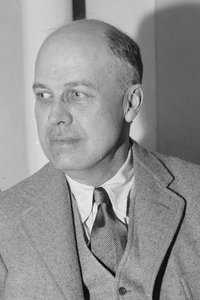
Edward Hopper, a name inextricably linked to the quietude and subtle melancholy that permeated 20th-century American life, wasn’t simply a painter of scenes; he was a poet of light and shadow, a chronicler of modern isolation. Born in Nyack, New York, in 1882, to middle-class parents of Dutch ancestry, Hopper's early years provided a stable upbringing that nurtured his artistic inclinations. From childhood sketches meticulously dated and signed, it became evident that keen observation and an innate talent for drawing were central to his being. Though initially encouraged towards commercial illustration – a pragmatic suggestion from his parents – Hopper’s ambitions leaned toward fine art, leading him to the New York School of Art where he studied under William Merritt Chase and Robert Henri. These formative years instilled not only technical skill but also an appreciation for realism and a commitment to depicting the world as he saw it—unvarnished and honest. The writings of Ralph Waldo Emerson resonated deeply with Hopper, reinforcing his sense of individualism and acute observation – qualities that would become hallmarks of his artistic vision. Early travels to Paris exposed him to Impressionism, yet Hopper quickly diverged from its fleeting brushstrokes, forging a path uniquely his own.

Finding His Voice: Realism and the American Scene

Hopper’s artistic journey wasn't immediate or effortless. He grappled with discovering his distinctive voice, experimenting with various styles before settling into the realism that would define his career. This wasn’t mere replication of reality; it was a distillation of its essence, stripping away extraneous detail to reveal underlying emotional truths. His paintings began to focus on everyday scenes – houses, diners, offices, hotel rooms – imbued with a sense of stillness and often, loneliness. He possessed an extraordinary ability to capture the psychological states of his subjects, hinting at narratives without explicitly stating them. The precise rendering of light and shadow became crucial, not merely as descriptive elements but as emotional cues, creating atmospheres that were both captivating and unsettling. House by the Railroad (1925), an early masterpiece, exemplifies this approach—a seemingly simple composition radiating a profound sense of isolation and mystery. Hopper’s printmaking, often overlooked, ran parallel to his painting, sharing similar themes and stylistic qualities, demonstrating his mastery across mediums. He wasn't interested in grand historical narratives or allegorical symbolism; he focused on the mundane, elevating it through careful observation and emotional resonance.

Iconic Visions: Nighthawks and Beyond

While Hopper’s career unfolded gradually, certain works catapulted him to widespread recognition. Nighthawks (1942), arguably his most famous painting, became an instant icon of American culture. The late-night diner scene, bathed in stark fluorescent light, perfectly encapsulates the alienation and anonymity of modern urban life. The figures within are lost in their own thoughts, disconnected from one another despite their proximity—a poignant commentary on the human condition. Gas (1940), with its striking portrayal of a roadside gas station, showcases Hopper’s fascination with American landscapes and the burgeoning automobile culture. Other notable works like *Automat*, *Office in a Small City*, and *Summertime* each offer unique insights into the complexities of 20th-century American society. These paintings weren't merely depictions of places; they were explorations of mood, psychology, and the subtle dramas unfolding within ordinary settings. His wife, Josephine Nivison Hopper, played a vital role not only as his lifelong companion but also as a frequent model, contributing significantly to the characterization of his female figures.

Themes and Legacy: A Lasting Influence

Several recurring themes permeate Hopper’s oeuvre. Urban isolation is perhaps the most prominent—the sense of loneliness experienced by individuals even amidst crowds. He explored the American landscape, both rural and urban, often emphasizing its starkness and emptiness. His work delves into psychological realism, probing the inner lives of his subjects with a sensitivity that transcends mere representation. There’s also an undercurrent of nostalgia for a simpler past, juxtaposed with an acknowledgement of the complexities and anxieties of modern life. Hopper's influence on subsequent artists is undeniable. His unique style has inspired countless painters, including Pierre Sanford Ross, and continues to resonate with contemporary artists seeking to capture the essence of human experience. His paintings remain highly sought after by collectors and are exhibited in major museums worldwide, solidifying his place as a pivotal figure in American art history. More than just an artist, Edward Hopper was a visual philosopher, offering profound insights into the human condition through his masterful use of light, shadow, and composition.
  • His legacy lies not only in the beauty of his paintings but also in their enduring ability to provoke thought, evoke emotion, and remind us of the quiet solitude that often defines our lives.
  • Hopper’s work continues to captivate audiences because it speaks to universal themes of loneliness, isolation, and the search for meaning in a rapidly changing world.
  • His paintings have become iconic representations of American culture, often used to symbolize the anxieties and aspirations of the 20th century—and beyond.
  • Hopper’s aesthetic has profoundly influenced filmmakers (like Alfred Hitchcock) and writers, inspiring countless works that explore similar themes of alienation and psychological tension.
Edward Hopper's ability to capture the essence of modern American life with honesty, sensitivity, and a distinctive artistic vision ensures his place as one of the most important artists of the 20th century.
Edward Hopper

Edward Hopper

1931 - 1967 , Verenigde Staten van Amerika

Belangrijkste feiten

  • Artistic Movement Or Style: Realisme
  • Artists Or Movements Influenced By This Artist: ['Ross']
  • Artists Who Influenced This Artist:
    • Chase
    • Henri
  • Date Of Birth: 22 juli 1882
  • Date Of Death: 15 mei 1967
  • Full Name: Edward Hopper
  • Nationality: Amerikaans
  • Notable Artworks:
    • Nighthawks
    • House
    • Gas
  • Place Of Birth: Nyack, USA