AcrylicWallArtGeometric Abstraction
 1918
1918 65.0 x 81.0 cm
Met de hand geschilderd in olieverf op canvas in uw gewenste maat en lijst, op bestelling gemaakt door onze kunstenaars. ( Bestel print Koop afbeelding)





























Kies uit onze vooraf ingestelde maten die overeenkomen met de originele verhoudingen van het kunstwerk.

U kunt uw eigen afmetingen invoeren om in een specifieke lijst of ruimte te passen. Als de door u gekozen maat niet overeenkomt met de verhoudingen van het originele beeld, zullen we het kunstwerk bijsnijden of het schilderij uitbreiden met extra handgeschilderde elementen. Een digitale mockup wordt ter goedkeuring naar u verzonden voordat de productie begint.
Houd er rekening mee dat de preview op het scherm niet de werkelijke uitsnede of uitbreiding weergeeft. Alleen de mockup toont de uiteindelijke compositie nauwkeurig.
Hoewel aangepaste afmetingen mogelijk zijn, raden we aan een maat uit de vooraf gedefinieerde lijst te selecteren om de originele verhoudingen te behouden.
Wereldwijde levering () binnen 3 tot 4 weken in plaats van de standaard 5 weken. (13 augustus). Zonder concessies aan de kwaliteit.


The Station
Afmetingen reproductie
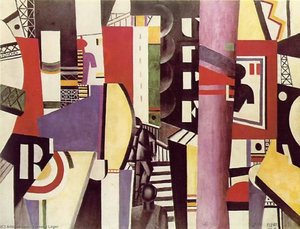
Fernand Léger's "The Station," completed in 1918, isn’t merely a depiction of a train station; it’s an embodiment of the anxieties and aspirations surrounding the burgeoning industrial revolution. Painted during a period marked by profound societal transformation – the aftermath of World War I and the rapid expansion of mechanized production – Léger sought to translate the relentless rhythm of this new era into a visual language that defied traditional representation.
The painting’s creation coincided with a pivotal moment in European history. The devastation wrought by World War I fueled debates about progress and destruction, prompting artists to grapple with how to represent the complexities of modernity. Léger wasn't simply documenting a place; he was articulating a feeling—a sense of unease mingled with optimism—about humanity’s relationship with technology.
"The Station" speaks powerfully to the concerns of its time regarding urbanization and the dehumanizing effects of industrialization. However, Léger’s vision transcends mere critique. He presents these forms as symbols of dynamism and potential, suggesting that even within rigid geometric structures lies an inherent energy.
While Léger's dominant stylistic approach is geometric abstraction, subtle symbolic elements enrich the artwork’s narrative. The prominent clock in the upper right corner serves as a visual reminder of time—a concept often associated with mortality and change—but also represents the relentless march forward of industrial progress. The figures themselves are stylized representations of human beings, reduced to simplified forms that convey movement and anonymity.
"The Station" isn’t intended to evoke emotional sentimentality; rather, it aims to provoke contemplation about the human condition within a technologically driven world. Léger's bold colors and textured surface contribute to an atmosphere of energy and immediacy, mirroring the pulse of the station itself. Ultimately, the painting invites viewers to consider how art can capture not just what we see but also what we *feel*—the anxieties and hopes inherent in embracing the transformative forces shaping our lives.
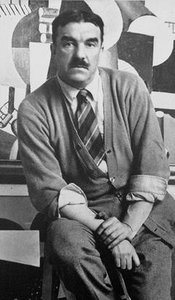
1881 - 1955 , Frankrijk

Discover the power of Neo-Abstract art. Explore how bold geometric forms and high-impact visual energy are redefining modern design. Learn to curate sophisticated, high-energy spaces with the latest trends in contemporary abstraction and structural color.

Discover the high-impact world of Geometric Abstraction. From Cubist roots to modern urban trends, explore how bold shapes and colors redefine contemporary design. Elevate your space with expert art insights and custom-made abstract masterpieces.

Master the high-impact world of contemporary abstraction. Discover how bold colors, textures, and modern movements like Abstract Expressionism can transform your space with premium, high-energy art curated for the design-conscious professional.


Blijf op de hoogte van het laatste kunstnieuws, exclusieve aanbiedingen en decoratie-ideeën.
Vertel ons over uw project en onze kunstexperts geven u 3 gepersonaliseerde kunstsuggesties.
Wij stellen drie opties speciaal voor u samen – gratis!


 Voorvertoning
 Verstuur
 Delen
Delen
 Details bekijken

 Download
 Vergelijkbare items
 Röntgenonderzoek
 Diavoorstelling
 Lees meer







 De optie voor glas is alleen beschikbaar bij een formaat kleiner dan 110 cm.