

 Olieverf op canvasWanddecoratieExpressionism
 1958Renaissance
 152.0 x 119.0 cm
Met de hand geschilderd in olieverf op canvas in uw gewenste maat en lijst, op bestelling gemaakt door onze kunstenaars. ( Bestel print Koop afbeelding)





























Kies uit onze vooraf ingestelde maten die overeenkomen met de originele verhoudingen van het kunstwerk.

U kunt uw eigen afmetingen invoeren om in een specifieke lijst of ruimte te passen. Als de door u gekozen maat niet overeenkomt met de verhoudingen van het originele beeld, zullen we het kunstwerk bijsnijden of het schilderij uitbreiden met extra handgeschilderde elementen. Een digitale mockup wordt ter goedkeuring naar u verzonden voordat de productie begint.
Houd er rekening mee dat de preview op het scherm niet de werkelijke uitsnede of uitbreiding weergeeft. Alleen de mockup toont de uiteindelijke compositie nauwkeurig.
Hoewel aangepaste afmetingen mogelijk zijn, raden we aan een maat uit de vooraf gedefinieerde lijst te selecteren om de originele verhoudingen te behouden.
Wereldwijde levering () binnen 3 tot 4 weken in plaats van de standaard 5 weken. (24 augustus). Zonder concessies aan de kwaliteit.


Self Portrait
Afmetingen reproductie
Francis Bacon’s Self Portrait, painted in 1958, stands as an arresting testament to the artist's profound engagement with existential anxieties and his singular approach to figurative painting. More than just a depiction of the individual, it embodies a complex exploration of psychological torment—a visual distillation of the human condition at its most vulnerable.
Composition & Style The canvas measures 152 x 119 cm and is executed in oil on canvas. Bacon’s distinctive style—characterized by distorted forms, fragmented surfaces, and unsettling juxtapositions—immediately commands attention. He eschews traditional perspective, opting instead for a flattened space that amplifies the emotional intensity of the scene. The central figure sits rigidly on a bench, his hands covering his face in a gesture of profound despair.
Expressionism & Technique Bacon’s masterful use of expressionist techniques—particularly bold brushstrokes and impasto—creates a palpable sense of unease. Thickly applied paint captures the physicality of emotion, conveying a visceral reaction to trauma and isolation. The abstracted background forms—sweeping lines and amorphous shapes—further contribute to the painting's turbulent atmosphere, mirroring the internal turmoil depicted in the central figure.
Historical Context & Symbolism Created during Bacon’s prolific output period, Self Portrait aligns with broader artistic trends of the mid-century. It echoes influences from Surrealism and Cubism, reflecting a fascination with exploring subconscious states and challenging conventional representations of reality. The gesture of covering one's face—a recurring motif in Bacon’s oeuvre—symbolizes concealment, repression, and the struggle to confront uncomfortable truths. It speaks to the universal experience of confronting mortality and grappling with inner demons.
Comparison & Legacy Bacon’s Self Portrait shares thematic resonances with other significant works by the artist, notably Study for a Self Portrait (1963) and Diptych: Study from the Human Body – from a Drawing by Ingres (1982 – 1984). These pieces similarly delve into themes of psychological vulnerability and existential crisis, cementing Bacon’s reputation as one of the most influential artists of his time.
Museum Collection The painting resides in the Smithsonian American Art Museum in Washington D.C., alongside other celebrated works by Bacon and luminaries like George Peter Alexander Healy and Benjamin Kopman—a testament to Bacon's enduring impact on the artistic landscape.
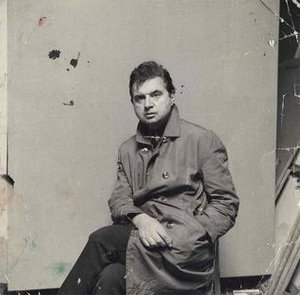
1909 - 1992 , Ierland

Dive into the raw, visceral world of Figurative Expressionism. Explore how icons like Schiele and Bacon use bold textures and intense human forms to redefine modern aesthetics. Discover high-impact art that brings unapologetic energy and emotional depth to your contemporary space.


Blijf op de hoogte van het laatste kunstnieuws, exclusieve aanbiedingen en decoratie-ideeën.
Vertel ons over uw project en onze kunstexperts geven u 3 gepersonaliseerde kunstsuggesties.
Wij stellen drie opties speciaal voor u samen – gratis!


 Voorvertoning
 Verstuur
 Delen
Delen
 Details bekijken

 Download
 Vergelijkbare items
 Röntgenonderzoek
 Diavoorstelling
 Lees meer







 De optie voor glas is alleen beschikbaar bij een formaat kleiner dan 110 cm.


