


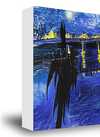
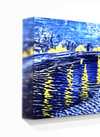
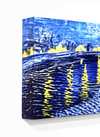
Met de hand geschilderd in olieverf op canvas in uw gewenste maat en lijst, op bestelling gemaakt door onze kunstenaars. ( Bestel een print Naar afbeelding wisselen)
Kies uit onze vooraf ingestelde maten die overeenkomen met de originele verhoudingen van het kunstwerk.

U kunt uw eigen afmetingen invoeren om in een specifieke lijst of ruimte te passen. Als de door u gekozen maat niet overeenkomt met de verhoudingen van het originele beeld, zullen we het kunstwerk bijsnijden of het schilderij uitbreiden met extra handgeschilderde elementen. Een digitale mockup wordt ter goedkeuring naar u verzonden voordat de productie begint.
Houd er rekening mee dat de preview op het scherm niet de werkelijke uitsnede of uitbreiding weergeeft. Alleen de mockup toont de uiteindelijke compositie nauwkeurig.
Hoewel aangepaste afmetingen mogelijk zijn, raden we aan een maat uit de vooraf gedefinieerde lijst te selecteren om de originele verhoudingen te behouden.
Wereldwijde levering () binnen 3 tot 4 weken in plaats van de standaard 5 weken. (4 augustus). Zonder concessies aan de kwaliteit.


The immaculate conception
Formaat reproductie
Francisco Pacheco del Río (1564 – 1644) stands as a pivotal figure in the artistic landscape of 17th-century Spain, a man whose influence stretched far beyond the boundaries of his own canvases. Often dubbed “the Vasari of Seville,” Pacheco was much more than a painter; he was a profound educator and mentor who established a school that would fundamentally shape the stylistic trajectory of Spanish Baroque art. While his name might not always command the immediate, flamboyant recognition of his most famous pupils, his role as the intellectual architect of the Sevillian school remains indisputable. His legacy is etched not merely in pigment, but in the very foundations of artistic theory and practice during one of Spain's most culturally significant eras.
Born in Sanlúcar de Barrameda, Pacheco’s early life was deeply intertwined with the prominent families of Andalusia. His formative years were defined by a rigorous apprenticeship under Luis Fernández, where he mastered the essential techniques of his era through the diligent copying of Italian masters. This disciplined immersion in classical art instilled within him a reverence for compositional precision and academic correctness. A transformative journey to Madrid and Toledo in 1611 further expanded his horizons, allowing him to absorb the expressive, emotive style of El Greco. This exposure to broader European trends ensured that while his roots remained firmly planted in Seville, his artistic sensibilities were attuned to the shifting currents of the continent.
The true weight of Pacheco’s contribution lies in his role as a scholar and theorist. His groundbreaking treatise, Arte de la Conciencia de la Pintura (often referred to as Arte de la Pintura), serves as a vital cornerstone for understanding the mechanics and philosophies of 17th-century Spanish art. Through this work, he codified the rules of religious iconography and academic rigor, providing a roadmap for generations of artists navigating the stringent standards of the Inquisition. His writing was didactic and vocal, much like the great Vasari, aiming to elevate the status of the painter from mere craftsman to an intellectual practitioner.
Perhaps his most enduring achievement was the cultivation of talent within his celebrated Seville atelier. It was under his watchful eye and disciplined guidance that Diego Velázquez and Alonso Cano honed their incomparable skills. While Velázquez would eventually break away from Pacheco’s more restrained, academic approach to pursue a revolutionary mastery of light and atmosphere, the foundational commitment to meticulous observation and structural integrity remained a shared heritage. Pacheco provided the essential scaffolding upon which the greatness of the Spanish Baroque was built.
In examining Pacheco’s own oeuvre, one finds a style characterized by a certain monumental dignity and stylistic restraint. Unlike the dramatic tenebrismo that would later define much of the Baroque period, Pacheco’s works often prioritize clarity, devotion, and iconographic accuracy. His paintings, such as the imposing The Last Judgment at the Santa Isabel Convent, exemplify this adherence to formal correctness and religious solemnity. While some critics might perceive a lack of the raw emotional intensity found in his students' later works, there is an undeniable strength in his ability to convey spiritual gravity through precise composition and careful observation.
Ultimately, Francisco Pacheco’s historical significance is found in the intersection of art and intellect. He was the bridge between the late Renaissance traditions and the burgeoning Baroque movement. His life work ensured that the Sevillian school possessed both the technical skill and the theoretical depth required to produce some of the greatest masterpieces in Western history. To study Pacheco is to study the very heartbeat of 17th-century Spanish culture—a period where art served as a profound expression of faith, power, and human observation.

1564 - 1644 , Spain


Blijf op de hoogte van het laatste kunstnieuws, exclusieve aanbiedingen en inspirerende interieurideeën.
Vertel ons over uw project en onze kunstexperts geven u 3 gepersonaliseerde kunstsuggesties.
Wij stellen 3 opties speciaal voor u samen – Gratis!


 Bekijk op ware grootte
 Verstuur
 Delen
Delen
 Details bekijken

 Download
 Vergelijkbare werken
 Röntgenonderzoek
 Diavoorstelling
 Lees meer



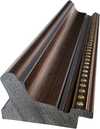
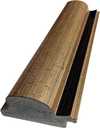


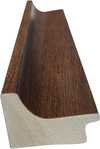
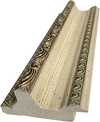
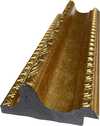
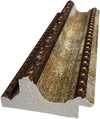
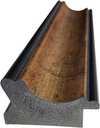
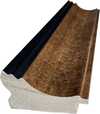

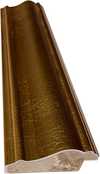


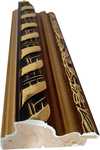

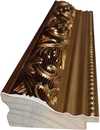
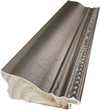
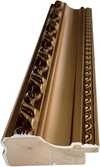

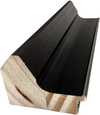
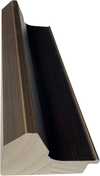
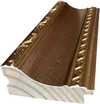
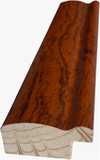
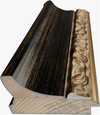
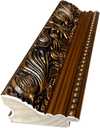
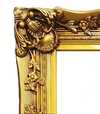
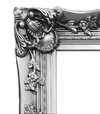
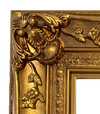
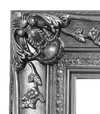
 De optie voor glas is alleen beschikbaar bij een formaat kleiner dan 110 cm.


