

Giclée- of canvasafdruk van museumkwaliteit met een snelle productie en flexibele afwerkingsmogelijkheden. ( Bestel handgeschilderde reproductie Koop afbeelding)





























Kies uit onze vooraf ingestelde maten die overeenkomen met de originele verhoudingen van het kunstwerk.

U kunt uw eigen afmetingen opgeven om in een specifieke lijst of ruimte te passen. Als de door u gekozen maat niet overeenkomt met de proporties van het originele kunstwerk, zullen wij de afbeelding bijsnijden of uitbreiden met een gespiegelde of effen rand. Een digitaal mockup wordt ter goedkeuring naar u verzonden voordat de productie begint.
Houd er rekening mee dat de preview op het scherm de werkelijke bijsneding of uitbreiding niet weergeeft. Alleen de mockup toont de uiteindelijke compositie nauwkeurig.
Hoewel aangepaste maten beschikbaar zijn, raden wij aan een afmeting uit de vooraf bepaalde lijst te kiezen om de originele proporties te behouden.
Wereldwijde levering () binnen 2 weken in plaats van de standaard 4/5 weken. (25 augustus)


De Overledene Dimas
Afmetingen reproductie
Frida Kahlo’s “The Deceased Dimas,” painted circa 1953, is a hauntingly beautiful tableau that encapsulates the artist's signature preoccupation with themes of vulnerability, loss, and the enduring power of memory. This enigmatic artwork depicts a young child lying supine on verdant grass, enveloped by an abundance of vibrant flowers—primarily roses and lilies—creating a visual juxtaposition between life’s beauty and inevitable decay.
Kahlo's distinctive Surrealist style is immediately apparent. The composition eschews conventional realism, opting instead for a dreamlike atmosphere where the child’s serene posture contrasts sharply with the implied sorrow surrounding them. The meticulous rendering of the flowers—their petals delicately brushed onto the canvas—demonstrates Kahlo’s mastery of technique and her unwavering commitment to capturing subtle nuances of color and texture.
Historically, “The Deceased Dimas” emerged during a period of profound personal upheaval for Kahlo. Following a debilitating bus accident in 1951 that shattered her pelvis and left her enduring physical pain, she retreated into introspection and channeled her emotional turmoil into her art. The painting serves as a poignant reflection on mortality and grief—a contemplation of the fragility of life and the indelible imprint of sorrow upon the human spirit.
Symbolically, the child represents innocence and purity, qualities Kahlo herself fiercely defended throughout her life. The crown adorning their head signifies royalty or dignity, perhaps hinting at a yearning for transcendence amidst suffering. Simultaneously, the ribbon around the neck symbolizes remembrance—a solemn tribute to those departed. The flowers themselves are laden with significance; roses often represent love and beauty, while lilies symbolize purity and mourning – elements interwoven to convey a complex emotional landscape.
More than just an aesthetically pleasing image, “The Deceased Dimas” resonates deeply with viewers due to its unflinching portrayal of human emotion. Kahlo’s masterful use of color—primarily muted greens and pinks—creates a tranquil yet melancholic mood, inviting contemplation on themes of loss, resilience, and the enduring beauty found within sorrow.
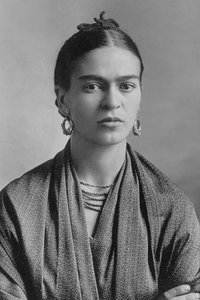
1907 - 1954 , Mexico

Embark on a sophisticated journey through the dreamlike world of Surrealism. Discover the profound symbolism of masters like Dalí and learn how to curate evocative, subconscious-inspired masterpieces for your private collection with expert art historical insight.

Explore the profound legacy of Mexican Muralism. Discover how masters like Diego Rivera used social realism to redefine history through powerful, large-scale frescoes and revolutionary iconography.


Blijf op de hoogte van het laatste kunstnieuws, exclusieve aanbiedingen en decoratie-ideeën.
Vertel ons over uw project en onze kunstexperts geven u 3 gepersonaliseerde kunstsuggesties.
Wij stellen drie opties speciaal voor u samen – gratis!


 Voorvertoning
 Verstuur
 Delen
Delen
 Details bekijken

 Download
 Vergelijkbare items
 Röntgenonderzoek
 Diavoorstelling
 Lees meer







 De optie voor glas is alleen beschikbaar bij een formaat kleiner dan 110 cm.


