

Giclée- of canvasafdruk van museumkwaliteit met een snelle productie en flexibele afwerkingsmogelijkheden. ( Bestel handgeschilderde reproductie Koop afbeelding)





























Kies uit onze vooraf ingestelde maten die overeenkomen met de originele verhoudingen van het kunstwerk.

U kunt uw eigen afmetingen opgeven om in een specifieke lijst of ruimte te passen. Als de door u gekozen maat niet overeenkomt met de proporties van het originele kunstwerk, zullen wij de afbeelding bijsnijden of uitbreiden met een gespiegelde of effen rand. Een digitaal mockup wordt ter goedkeuring naar u verzonden voordat de productie begint.
Houd er rekening mee dat de preview op het scherm de werkelijke bijsneding of uitbreiding niet weergeeft. Alleen de mockup toont de uiteindelijke compositie nauwkeurig.
Hoewel aangepaste maten beschikbaar zijn, raden wij aan een afmeting uit de vooraf bepaalde lijst te kiezen om de originele proporties te behouden.
Wereldwijde levering () binnen 2 weken in plaats van de standaard 4/5 weken. (16 augustus)


Spring
Afmetingen reproductie
Georges Rouault's "Spring," painted in 1911, is far more than a simple depiction of a forest scene; it’s a profound meditation on humanity – its joys, sorrows, and the quiet dignity found within everyday life. Executed with Rouault’s signature style, immediately recognizable for its stark contrasts and emotionally charged palette, this work offers a window into the artist's deeply felt empathy for the marginalized and suffering, a core tenet of his artistic vision. The painting captures a fleeting moment of rural tranquility, yet it resonates with an underlying sense of melancholy and contemplation – qualities that would become hallmarks of Rouault’s oeuvre.
The composition itself is deliberately un-idealized. There are no heroic figures or grand vistas; instead, we encounter three individuals engaged in seemingly simple activities: one seated, another standing attentively, and a third observing from a distance. A dog lies nearby, adding to the sense of domesticity and companionship. Rouault’s masterful use of dark contours – a technique inherited directly from his apprenticeship with stained glass artisans – frames luminous color fields, creating an almost theatrical effect. This layering of light and shadow isn't merely aesthetic; it serves to heighten the emotional impact of each figure, drawing our attention to their individual expressions and postures.
Understanding Georges Rouault requires acknowledging his unique artistic journey. Born in the immediate aftermath of the Paris Commune, a period of immense upheaval and violence, Rouault's early life was shaped by hardship and a profound sense of loss. This experience profoundly influenced his worldview, fostering a deep compassion for those less fortunate. His apprenticeship as a glass painter from the age of fourteen proved formative, instilling in him an appreciation for vibrant color and precise execution – skills he would later translate to canvas with remarkable power.
Rouault’s fascination with stained glass extended beyond mere technical skill; it was deeply intertwined with his spiritual seeking. The luminous quality of the glass, its ability to transform light into something ethereal, mirrored his own desire for transcendence. This influence is readily apparent in “Spring,” where the use of dark outlines and intense color fields evokes a sense of sacredness, reminiscent of medieval religious art. His mother’s devout Catholic upbringing further solidified this spiritual connection, shaping his artistic themes and fueling his commitment to portraying the dignity of ordinary people.
While seemingly straightforward, “Spring” is rich in symbolic potential. The figures themselves – a seated individual, perhaps representing contemplation or rest; two standing ones, possibly engaged in conversation or observation – invite interpretation. The dog, a traditional symbol of loyalty and companionship, adds to the painting’s sense of warmth and connection. Rouault wasn't interested in simply recording a scene; he was striving to capture an *emotion*, a feeling of quiet beauty amidst the complexities of human existence.
The muted color palette – dominated by browns, greens, and ochres – contributes significantly to the painting’s melancholic mood. However, strategically placed bursts of brighter hues – particularly in the figures' clothing – draw our eye and emphasize their presence. This careful manipulation of color creates a dynamic tension between darkness and light, reflecting the inherent duality of human experience. “Spring” is not a celebration of springtime itself; it’s an exploration of the human condition—a poignant reminder of life’s fleeting beauty and enduring sorrows.

1871 - 1958 , Frankrijk

Ontdek de 25 meest iconische meesterwerken van Georges Braque, pionier van het Cubisme. Lees over zijn techniek, inspiratie & de impact op moderne kunst. Vind museumkwaliteit reproducties en verrijk uw interieur met BuyPopArt.com!

Ontdek de 25 meesterwerken van Georges Seurat! Duik in Pointillisme, Impressionisme & chromoluminarism. Bewonder 'A Sunday on La Grande Jatte' en meer. Museumkwaliteit kunst reproducties op BuyPopArt.com.

Ontdek de 10 meest iconische Fauvist meesterwerken van kunstenaars als Matisse & Derain. Duik in expressieve kleuren en baanbrekende technieken! Museumkwaliteit reproducties voor uw interieur op BuyPopArt.com

Ontdek de 10 meest iconische Fauvistische meesterwerken van kunstenaars als Matisse & Derain. Leer over kleur, expressie en hun invloed op moderne kunst. Museumkwaliteit reproducties voor uw interieur? Bekijk ze nu op BuyPopArt.com!
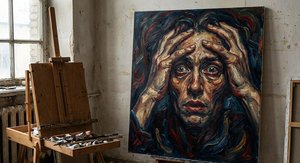
Explore the powerful world of Figurative Expressionism with BuyPopArt. Discover key artists like Kirchner & Beckmann, understand its emotional depth, and learn how to collect this influential 20th-century art movement.


Blijf op de hoogte van het laatste kunstnieuws, exclusieve aanbiedingen en decoratie-ideeën.
Vertel ons over uw project en onze kunstexperts geven u 3 gepersonaliseerde kunstsuggesties.
Wij stellen drie opties speciaal voor u samen – gratis!


 Voorvertoning
 Verstuur
 Delen
Delen
 Details bekijken

 Download
 Vergelijkbare items
 Röntgenonderzoek
 Diavoorstelling

 Lees meer







 De optie voor glas is alleen beschikbaar bij een formaat kleiner dan 110 cm.


