


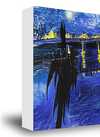
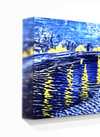
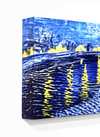
Giclée- of canvasafdruk van museumkwaliteit met snelle productie en flexibele afwerkingsopties. ( Switch to hand made Painting Switch to Image)
Kies uit onze vooraf ingestelde maten die overeenkomen met de originele verhoudingen van het kunstwerk.

U kunt uw eigen afmetingen opgeven om in een specifieke lijst of ruimte te passen. Als de door u gekozen maat niet overeenkomt met de proporties van het originele kunstwerk, zullen wij de afbeelding bijsnijden of uitbreiden met een gespiegelde of effen rand. Een digitaal mockup wordt ter goedkeuring naar u verzonden voordat de productie begint.
Houd er rekening mee dat de preview op het scherm de werkelijke bijsneding of uitbreiding niet weergeeft. Alleen de mockup toont de uiteindelijke compositie nauwkeurig.
Hoewel aangepaste maten beschikbaar zijn, raden wij aan een afmeting uit de vooraf bepaalde lijst te kiezen om de originele proporties te behouden.
Wereldwijde levering () binnen 2 weken in plaats van de standaard 4/5 weken. (29 juli)


St Ursula
Afmetingen reproductie
Hendrick Douverman, born in the German town of Kalkar around 1490, remains a figure shrouded in relative obscurity compared to the titans who dominated the artistic landscape of the German Renaissance. Yet, for those who look closely at the devotional art of the mid-16th century, his presence is felt through a profound and meticulous dedication to spiritual narrative. His life and work serve as a window into the intense religious fervor of the era, offering a glimpse into an aesthetic sensibility that sought to bridge the gap between the earthly and the divine through the precision of Northern European craftsmanship.
The formative years of Douverman are largely lost to the passage of time, known only through fragments of guild records in Kalkar. However, the lineage of his talent is clearly traced back to his apprenticeship under Johann Grünewaldt, a master whose name is synonymous with the raw, emotional power of the Isenheim Altarpiece. This connection was foundational; from Grünewaldt, Douverman inherited not only the technical rigor required for complex religious iconography but also a deep-seated commitment to expressive realism. This influence allowed him to move beyond mere decoration, infusing his subjects with a palpable sense of sanctity and human emotion that resonated with the faithful of his time.
Douverman’s artistic legacy is uniquely split between the tactile depth of sculpture and the narrative richness of painting. He possessed a rare ability to manipulate medium to serve theological ends, creating works that functioned as both art and objects of meditation. His sculptural achievements, most notably the breathtaking St Ursula, demonstrate a remarkable command over detail. In this piece, housed in the Kalkar Cathedral, he captures the saint and her companions with a lifelike quality that balances the weight of stone with the lightness of spiritual grace, embodying the very essence of Renaissance realism.
In his paintings, Douverman explored complex biblical genealogies and sacred figures with equal fervor. His interpretations of iconic themes include:
Through these works, Douverman achieved a level of historical significance that transcends his biographical anonymity. He was a master of the devotional gaze, an artist capable of translating the abstract mysteries of faith into tangible, breathtakingly beautiful forms. His contribution to the German Renaissance remains a vital chapter in the history of Northern European art, reminding us of the power of art to act as a silent, enduring witness to the human spirit's search for the eternal.

1490 - 1543 , Germany

Explore the captivating world of Early Netherlandish painting! Discover Jan van Eyck, Hans Memling & more. Uncover symbolism, techniques & the legacy of these Flemish masters. A comprehensive guide for art enthusiasts.

Explore the Renaissance! Discover key artists like Leonardo & Michelangelo, the rise of Humanism, and groundbreaking techniques such as chiaroscuro. A comprehensive guide for art enthusiasts.

Explore the captivating world of Early Netherlandish painting (15th-16th centuries). Discover Jan van Eyck, Hans Memling & more. Uncover revolutionary techniques and hidden symbolism in this definitive guide.

Discover the innovative terracotta glazing techniques of Luca della Robbia, a Renaissance master sculptor. Explore his iconic works, legacy, and collecting tips with BuyPopArt.

Ontdek de 10 meest iconische Renaissance meesterwerken die Humanisme definieerden! Leer over Leonardo da Vinci, Michelangelo & Rafaël. Museumkwaliteit kunst reproducties voor uw interieur op BuyPopArt.com. Exploreer de collectie online!


Blijf op de hoogte van het laatste kunstnieuws, exclusieve aanbiedingen en decoratie-ideeën.
Vertel ons over uw project en onze kunstexperts geven u 3 gepersonaliseerde kunstsuggesties.
Wij stellen 3 opties speciaal voor u samen – Gratis!


 Verstuur
 Delen
Delen
 Details bekijken

 Download
 Vergelijkbare werken
 Diavoorstelling


 Lees meer
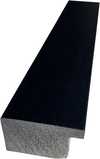
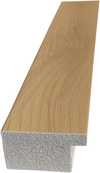
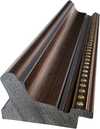
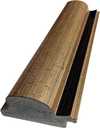
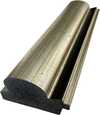
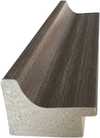
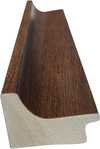
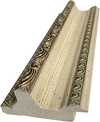
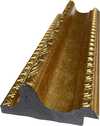
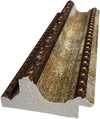
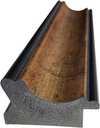
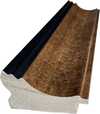
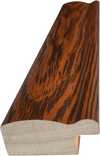
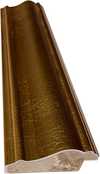
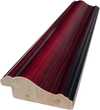
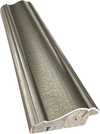
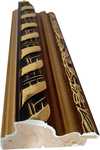
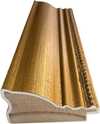
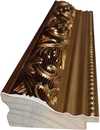
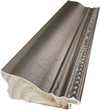
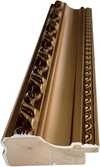
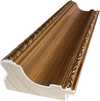
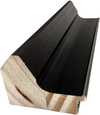
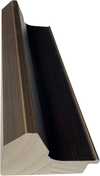
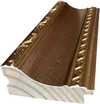
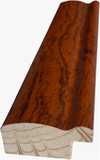
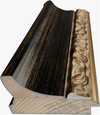
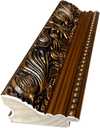
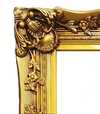
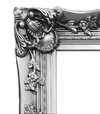
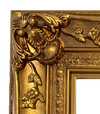
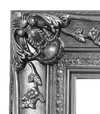
 De optie voor glas is alleen beschikbaar bij een formaat kleiner dan 110 cm.


