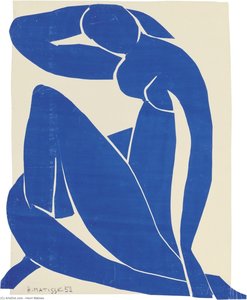
Acryl op canvasWanddecoratieFauvism
 1912Modern
 192.0 x 115.0 cm
Met de hand geschilderd in olieverf op canvas in uw gewenste maat en lijst, op bestelling gemaakt door onze kunstenaars. ( Bestel print Koop afbeelding)





























Kies uit onze vooraf ingestelde maten die overeenkomen met de originele verhoudingen van het kunstwerk.

U kunt uw eigen afmetingen invoeren om in een specifieke lijst of ruimte te passen. Als de door u gekozen maat niet overeenkomt met de verhoudingen van het originele beeld, zullen we het kunstwerk bijsnijden of het schilderij uitbreiden met extra handgeschilderde elementen. Een digitale mockup wordt ter goedkeuring naar u verzonden voordat de productie begint.
Houd er rekening mee dat de preview op het scherm niet de werkelijke uitsnede of uitbreiding weergeeft. Alleen de mockup toont de uiteindelijke compositie nauwkeurig.
Hoewel aangepaste afmetingen mogelijk zijn, raden we aan een maat uit de vooraf gedefinieerde lijst te selecteren om de originele verhoudingen te behouden.
Wereldwijde levering () binnen 3 tot 4 weken in plaats van de standaard 5 weken. (13 augustus). Zonder concessies aan de kwaliteit.


Dance
Afmetingen reproductie
Henri Matisse’s “Dance” (1912) stands as a cornerstone of Fauvist art—a movement that irrevocably altered the course of 20th-century painting. More than just an image, it's an embodiment of liberation and joy, captured with audacious brushstrokes and pigments that defy conventional representation.
Painted during Matisse’s formative years alongside Pablo Picasso, “Dance” reflects the broader artistic currents of its time. Artists were actively rejecting academic conventions in favor of exploring primal emotions and sensations—a reaction against the perceived rigidity of Impressionism. Matisse's fascination with African masks and tribal art profoundly influenced his stylistic choices, injecting a raw energy and expressive freedom into his canvases.
The painting’s composition is deceptively simple yet remarkably effective. A group of nude figures occupies the central space in a swirling circular formation, mirroring the rhythm of dance itself. Matisse employs a masterful juxtaposition of warm hues—primarily reds, oranges, and yellows—against cooler blues and greens—creating visual tension that conveys dynamism and emotional release. The dancer’s poses are deliberately stylized, prioritizing gesture and movement over anatomical accuracy.
Matisse achieved his signature style through a technique characterized by thick impasto – applying paint directly onto the canvas with visible brushstrokes—creating textural surfaces that pulsate with color. This bold approach was revolutionary for its time, prioritizing expressive gesture over meticulous detail. The artist meticulously blended colors to achieve luminous effects and heighten the emotional impact of the scene.
"Dance" wasn’t merely a stylistic outlier; it served as a catalyst for subsequent artistic movements. Its embrace of color and expressive abstraction paved the way for Cubism, Futurism, Surrealism, and numerous other avant-garde explorations. As evidenced by reproductions like “Nasturtiums with \"The Dance\"” (Metropolitan Museum of Art), Matisse’s vision continues to inspire artists and collectors alike—a testament to his enduring contribution to the history of art.
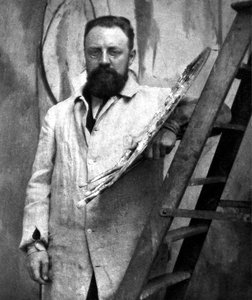
1869 - 1954 , Frankrijk

Explore the vibrant world of Fauvism with our expert guide. Discover how masters like Henri Matisse revolutionized art through bold colors and expressive strokes, defining a movement that continues to inspire collectors and art enthusiasts worldwide.

Elevate your space with bold, iconic dance art. From street art vibes to Pop Art masterpieces, discover high-impact, hand-painted reproductions and custom commissions designed to move you. Transform your walls with the rhythm of contemporary culture.


Blijf op de hoogte van het laatste kunstnieuws, exclusieve aanbiedingen en decoratie-ideeën.
Vertel ons over uw project en onze kunstexperts geven u 3 gepersonaliseerde kunstsuggesties.
Wij stellen drie opties speciaal voor u samen – gratis!


 Voorvertoning
 Verstuur
 Delen
Delen
 Details bekijken

 Download
 Vergelijkbare items
 Röntgenonderzoek
 Diavoorstelling
 Lees meer







 De optie voor glas is alleen beschikbaar bij een formaat kleiner dan 110 cm.