


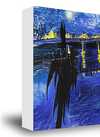
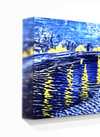
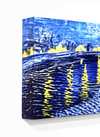
Met de hand geschilderd in olieverf op canvas in uw gewenste maat en lijst, op bestelling gemaakt door onze kunstenaars. ( Bestel een print Naar afbeelding wisselen)
Kies uit onze vooraf ingestelde maten die overeenkomen met de originele verhoudingen van het kunstwerk.

U kunt uw eigen afmetingen invoeren om in een specifieke lijst of ruimte te passen. Als de door u gekozen maat niet overeenkomt met de verhoudingen van het originele beeld, zullen we het kunstwerk bijsnijden of het schilderij uitbreiden met extra handgeschilderde elementen. Een digitale mockup wordt ter goedkeuring naar u verzonden voordat de productie begint.
Houd er rekening mee dat de preview op het scherm niet de werkelijke uitsnede of uitbreiding weergeeft. Alleen de mockup toont de uiteindelijke compositie nauwkeurig.
Hoewel aangepaste afmetingen mogelijk zijn, raden we aan een maat uit de vooraf gedefinieerde lijst te selecteren om de originele verhoudingen te behouden.
Wereldwijde levering () binnen 3 tot 4 weken in plaats van de standaard 5 weken. (4 augustus). Zonder concessies aan de kwaliteit.


Charlotte Stuart
Formaat reproductie
This captivating portrait depicts Charlotte Stuart, Duchess of Albany, a figure steeped in Jacobite history and personal drama. Painted by the renowned Irish artist Hugh Douglas Hamilton around 1785-1789, this work offers a poignant glimpse into the life of an aristocratic woman navigating complex familial relationships and societal expectations.
Hugh Douglas Hamilton (1740-1808) was a celebrated Irish portrait painter known for his ability to capture both likeness and character in his subjects. Born in Dublin, he honed his skills under Robert West at the Dublin Society House before achieving considerable success in London and Rome. Initially working primarily in pastel, Hamilton later embraced oil painting, demonstrating versatility and adapting to evolving artistic trends. His style is characterized by a refined elegance, attention to detail, and a subtle use of light and shadow that lends depth and realism to his portraits. He was particularly adept at creating lively, affordable oval portraits that were highly sought after by royalty, politicians, and celebrities of the day.
The portrait of Charlotte Stuart is rendered in profile, a pose favored during the 18th and early 19th centuries for its perceived elegance. Hamilton’s technique showcases his mastery of detail; observe the delicate rendering of her long, curly brown hair cascading over her shoulders, adorned with a pearl or gemstone-studded headband that signifies status and refinement. The dark blue dress, accented with lace detailing around the neckline, further emphasizes her aristocratic background. The muted greenish-blue backdrop provides a subtle contrast, drawing attention to Charlotte’s features. Hamilton's use of light and shadow is particularly noteworthy, creating a lifelike quality and highlighting the softness of her skin and the expressiveness of her eyes.
Charlotte Stuart's life was marked by both privilege and hardship. She was the illegitimate daughter of Charles Edward Stuart ("Bonnie Prince Charlie"), a key figure in the Jacobite movement seeking to restore the Stuart dynasty to the British throne. Her mother, Clementina Walkinshaw, endured years of abuse before escaping with Charlotte. The portrait itself carries symbolic weight; her profile view and dignified posture convey a sense of resilience and quiet strength despite the challenges she faced. The headband, as mentioned, speaks to her noble lineage, while the overall composition suggests a woman poised between tradition and change. Her later legitimization by her father and subsequent role as his caretaker in his final years further complicate her story, adding layers of meaning to this compelling portrait.
Beyond its historical significance, the portrait of Charlotte Stuart evokes a sense of quiet dignity and melancholic grace. Hamilton’s skill in capturing her expressive eyes draws the viewer into her world, inviting contemplation on her life and experiences. This artwork is not merely a representation of an aristocratic woman; it's a window into a complex personal narrative, offering a timeless glimpse into the lives of those who shaped history.

1740 - 1808 , Ierland

Discover Rose Maynard Barton (1856-1930), a pioneering Irish watercolourist celebrated for her evocative landscapes and charming depictions of domestic life. Explore her legacy & artwork at BuyPopArt.

Explore the captivating world of Arthur Hughes (1832-1915), a leading Pre-Raphaelite painter. Discover his dreamy landscapes, poetic narratives & iconic Victorian artworks. Learn about his life, style & collecting today.

Explore the rich history of 18th & 19th-century art! Discover Romanticism, Realism, and iconic masters like Delacroix & Courbet. Expert insights & high-quality reproductions at BuyPopArt.

Explore the captivating art of William Stewart MacGeorge, a key figure of the Kirkcudbright School. Discover his fusion of Scottish tradition with Aesthetic and Japonisme influences. Learn about his portraits & landscapes.

Explore the captivating world of Thomas Stuart Smith (1815-1869), a Scottish painter bridging Romantic realism and British Impressionism. Discover his genre scenes, philanthropic legacy & stunning interiors.


Blijf op de hoogte van het laatste kunstnieuws, exclusieve aanbiedingen en inspirerende interieurideeën.
Vertel ons over uw project en onze kunstexperts geven u 3 gepersonaliseerde kunstsuggesties.
Wij stellen 3 opties speciaal voor u samen – Gratis!


 Bekijk op ware grootte
 Verstuur
 Delen
Delen
 Details bekijken

 Download
 Vergelijkbare werken
 Röntgenonderzoek
 Diavoorstelling
 Lees meer


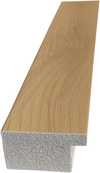

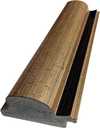


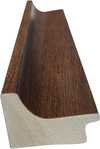
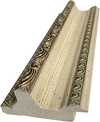
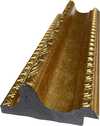
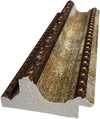
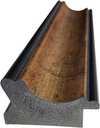
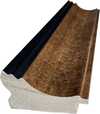
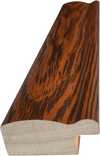
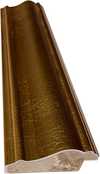

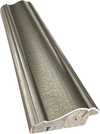
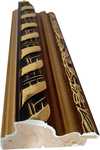

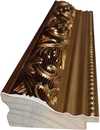
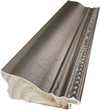
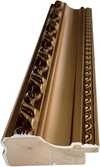
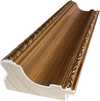
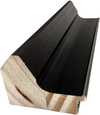


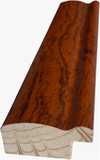
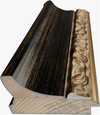
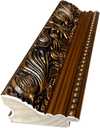
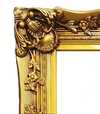
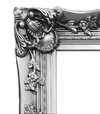
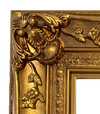
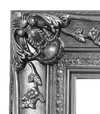
 De optie voor glas is alleen beschikbaar bij een formaat kleiner dan 110 cm.


