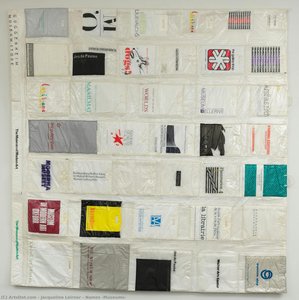
Met de hand geschilderd in olieverf op canvas in uw gewenste maat en lijst, op bestelling gemaakt door onze kunstenaars. ( Bestel print Koop afbeelding)
Kies uit onze vooraf ingestelde maten die overeenkomen met de originele verhoudingen van het kunstwerk.

U kunt uw eigen afmetingen invoeren om in een specifieke lijst of ruimte te passen. Als de door u gekozen maat niet overeenkomt met de verhoudingen van het originele beeld, zullen we het kunstwerk bijsnijden of het schilderij uitbreiden met extra handgeschilderde elementen. Een digitale mockup wordt ter goedkeuring naar u verzonden voordat de productie begint.
Houd er rekening mee dat de preview op het scherm niet de werkelijke uitsnede of uitbreiding weergeeft. Alleen de mockup toont de uiteindelijke compositie nauwkeurig.
Hoewel aangepaste afmetingen mogelijk zijn, raden we aan een maat uit de vooraf gedefinieerde lijst te selecteren om de originele verhoudingen te behouden.
Wereldwijde levering () binnen 3 tot 4 weken in plaats van de standaard 5 weken. (17 augustus). Zonder concessies aan de kwaliteit.


Titlepage
Afmetingen reproductie
Jan (or Johan) van Gool was born in The Hague, Netherlands in 1685. He emerged during a period of transition within Dutch art, following the peak of the Golden Age. Van Gool received his artistic training under the tutelage of two prominent painters: Simon van der Does and Mattheus terwesten. This foundational education shaped his early style and provided him with the skills necessary to pursue a career as both an artist and a writer.
Van Gool primarily specialized in Italianate landscapes – a popular genre during the 18th century that depicted idealized scenes inspired by the Italian countryside. While his paintings are not extensively represented in major museum collections today, they were appreciated within his time for their atmospheric qualities and skillful rendering of light and shadow. He became a member of the Confrerie Pictura in 1711.
Beyond his artistic practice, Van Gool actively participated in the art world as an administrator. From 1720 to 1734, he served first as a regent and then as director of the Hague Drawing School – a significant institution dedicated to fostering artistic talent. This role demonstrates his commitment to education and his standing within the Dutch artistic community.
Van Gool is most enduringly remembered for his biographical work, ‘De nieuwe schouburg der nederlantsche kunstschilders en schilderessen’ (translated as “The New Theatre of Dutch Painters and Paintresses”), published in The Hague in 1750. This comprehensive volume aimed to update and expand upon the earlier ‘Schouwburg’ compiled by his friend, Arnold Houbraken.
Van Gool’s work was influenced by the traditions of Dutch Golden Age biography, particularly that established by Karel van Mander and continued by Houbraken. However, he distinguished himself through his critical assessment of previous biographical accounts, notably pointing out what he considered unnecessary harshness in Houbraken's assessments.
The ‘Nieuw Schouburg’ remains a vital resource for art historians studying 17th and 18th-century Netherlandish art. It provides invaluable insights into the lives of artists, their artistic practices, and the broader cultural context in which they worked. While Van Gool's paintings may not be widely known today, his contribution to art historical scholarship ensures his lasting legacy.
Van Gool spent most of his time in The Hague but travelled to England twice and is recorded there in 1711. This travel likely influenced his artistic perspective and broadened his understanding of European art trends.

1685 - 1763 , Netherlands


Blijf op de hoogte van het laatste kunstnieuws, exclusieve aanbiedingen en decoratie-ideeën.
Vertel ons over uw project en onze kunstexperts geven u 3 gepersonaliseerde kunstsuggesties.
Wij stellen drie opties speciaal voor u samen – gratis!


 Voorvertoning
 Verstuur
 Delen
Delen
 Details bekijken

 Download
 Vergelijkbare items
 Röntgenonderzoek
 Diavoorstelling
 Lees meer




































 De optie voor glas is alleen beschikbaar bij een formaat kleiner dan 110 cm.