Acrylic On CanvasWallArtExpressionism
 1913
1913 107.0 x 120.0 cm
Giclée- of canvasafdruk van museumkwaliteit met een snelle productie en flexibele afwerkingsmogelijkheden. ( Bestel handgeschilderde reproductie Koop afbeelding)





























Kies uit onze vooraf ingestelde maten die overeenkomen met de originele verhoudingen van het kunstwerk.

U kunt uw eigen afmetingen opgeven om in een specifieke lijst of ruimte te passen. Als de door u gekozen maat niet overeenkomt met de proporties van het originele kunstwerk, zullen wij de afbeelding bijsnijden of uitbreiden met een gespiegelde of effen rand. Een digitaal mockup wordt ter goedkeuring naar u verzonden voordat de productie begint.
Houd er rekening mee dat de preview op het scherm de werkelijke bijsneding of uitbreiding niet weergeeft. Alleen de mockup toont de uiteindelijke compositie nauwkeurig.
Hoewel aangepaste maten beschikbaar zijn, raden wij aan een afmeting uit de vooraf bepaalde lijst te kiezen om de originele proporties te behouden.
Wereldwijde levering () binnen 2 weken in plaats van de standaard 4/5 weken. (13 augustus)


Burning House
Afmetingen reproductie
Marc Chagall’s “Burning House,” painted in 1913, is far more than a depiction of destruction; it’s a vibrant explosion of emotion and memory rendered with the artist’s signature expressive style. This captivating piece immediately draws the viewer into a scene brimming with symbolic weight – a house consumed by flames, a man riding a bicycle, cows grazing peacefully nearby, all bathed in Chagall's characteristic use of bold color and distorted forms.
The painting’s genesis lies within Chagall’s deeply personal connection to his childhood village of Liozna, located in Belarus. He often returned to this place in his memory, transforming it into a fantastical realm populated by recurring motifs: flying figures, animals imbued with symbolic meaning, and landscapes rendered with an almost dreamlike quality. “Burning House” is believed to be rooted in the destruction of his childhood home during World War I – a traumatic event that profoundly shaped his artistic vision and fueled his desire to capture fleeting moments of beauty and memory before they vanished forever.
Chagall’s technique in “Burning House” is quintessential Expressionism. He employs loose, gestural brushstrokes, prioritizing emotional impact over precise representation. The house itself isn't rendered with realistic detail; instead, it’s a swirling mass of color and form, conveying the chaotic energy of the fire. The use of intense reds, oranges, and yellows dominates the composition, amplifying the sense of urgency and danger. This deliberate distortion of reality is not an accident but a conscious choice to convey inner feelings rather than simply depicting an external scene.
Notice how the bicycle, a symbol of freedom and movement, cuts through the chaos, while the cows – often associated with peace and tranquility – stand as silent witnesses to the unfolding drama. These seemingly disparate elements contribute to the painting’s layered symbolism, inviting multiple interpretations.
The ladder extending from the right side of the canvas is a particularly poignant detail. It suggests an attempt at rescue, a desperate plea against the inevitable destruction. However, it also hints at futility – a recognition that some things are beyond our control. The presence of the two cows adds another layer to the narrative. They could represent innocence lost, or perhaps a connection to rural life and simpler times, contrasting sharply with the urban anxieties of the early 20th century.
Chagall’s masterful use of light and shadow further enhances the painting's dramatic effect, emphasizing the flickering flames and casting long, distorted shadows that heighten the sense of unease.
"Burning House" is a powerful example of Chagall’s ability to transform personal experience into universal themes – loss, memory, and the struggle against chaos. Painted during a period of immense social and political upheaval, it reflects the anxieties and uncertainties of the era while simultaneously offering a glimpse into the artist's deeply imaginative world. This reproduction captures not just an image but the very soul of Chagall’s vision, allowing you to experience the raw emotion and captivating beauty of this iconic work.
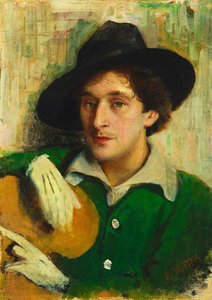
1887 - 1985 , Belarus

Ontdek de top 25 meesterwerken van Marc Chagall! Duik in zijn kleurrijke wereld vol dromen, symbolisme & Joodse folklore. Bekijk kunstgeschiedenis, technieken en vind museumkwaliteit reproducties voor uw interieur op BuyPopArt.com.

Explore the rich symbolism of the red dress in art history! From ancient power displays to iconic portraits like Cézanne’s 'Madame Cezanne', discover the cultural and artistic significance behind this captivating color. Expert analysis & insights.
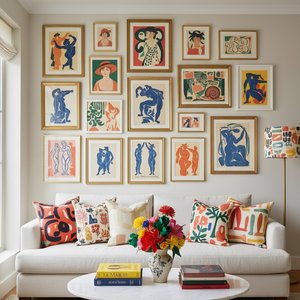
Ontdek de top 25 meesterwerken van Henri Matisse! Duik in de wereld van Fauvisme, kleurrijke composities & expressieve kunst. Vind museumkwaliteit reproducties en decoratie-inspiratie op BuyPopArt.com. Exploreer de collectie online!

Ontdek de top 25 meesterwerken van Paul Klee! Duik in zijn kleurrijke wereld vol abstracte kunst, Bauhaus invloeden & expressieve composities. Vind museumkwaliteit reproducties en woondecoratie inspiratie op BuyPopArt.com.
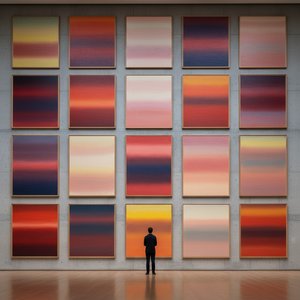
Ontdek de top 25 meesterwerken van Mark Rothko! Duik diep in zijn emotionele kleurveldschilderijen en abstract expressionisme. Vind museumkwaliteit Rothko reproducties & interieurinspiratie op BuyPopArt.com.


Blijf op de hoogte van het laatste kunstnieuws, exclusieve aanbiedingen en decoratie-ideeën.
Vertel ons over uw project en onze kunstexperts geven u 3 gepersonaliseerde kunstsuggesties.
Wij stellen drie opties speciaal voor u samen – gratis!


 Voorvertoning
 Verstuur
 Delen
Delen
 Details bekijken

 Download
 Vergelijkbare items
 Röntgenonderzoek
 Diavoorstelling
 Lees meer







 De optie voor glas is alleen beschikbaar bij een formaat kleiner dan 110 cm.