

 Acrylic On PaperNaïve Art (Primitivism)
 1963
1963 30.0 x 23.0 cm
Koop een digitale afbeelding in hoge resolutie met verbeterde kwaliteit, die veel superieur is aan de online voorvertoning.
Elk bestand wordt met uiterste precisie voorbereid door onze interne specialisten, met behulp van geavanceerde tools en deskundige handmatige retouche. Wij garanderen dat elke afbeelding een uitzonderlijke helderheid, nauwkeurige kleurweergave en verfijnde details bezit.
Het uiteindelijke bestand wordt binnen 72 uur per e-mail geleverd, geoptimaliseerd voor direct gebruik in professionele, redactionele en printomgevingen. Dit is dezelfde kwaliteit waarop topontwerpstudio's, uitgevers en galerieën vertrouwen.
Download een bestand met hoge resolutie voor persoonlijke weergave, afdrukken en creatieve projecten. ( Print kopen Handgemaakt schilderij kopen)
Wanneer u kiest voor BuyPopArt.com, ontvangt u niet alleen een afbeelding – u krijgt een professioneel verbeterd digitaal kunstwerk, met precisie vervaardigd en voorzien van een tevredenheidsgarantie. Dit is alles wat automatisch bij uw bestelling is inbegrepen:

Uw hoogwaardige digitale afbeeldingsbestand wordt binnen 72 uur na bestelling naar u gemaild – klaar voor direct gebruik.

Uw kunstwerk wordt professioneel geoptimaliseerd met behulp van geavanceerde AI-tools en handmatige bewerkingen, waardoor maximale details, helderheid en kleurnauwkeurigheid worden gegarandeerd.

Je bestand per ongeluk verwijderd of kwijtgeraakt? Geen zorgen – we sturen het u op elk gewenst moment gratis opnieuw toe.

Geniet direct van uw kunstwerk zonder invoerrechten, belastingen of verzendkosten – digitale downloads zijn altijd belastingvrij.

Met behulp van professionele hulpmiddelen en kleurbeheer zorgen wij ervoor dat uw digitale afbeelding de originele kleuren zo nauwkeurig mogelijk weergeeft.

Als u niet tevreden bent met uw digitale afbeelding, passen wij deze aan of storten wij 100% terug binnen 60 dagen – zonder vragen gesteld.

Niet tevreden? Ontvang binnen 60 dagen na ontvangst van uw digitale bestand uw volledige aankoopbedrag terug – zonder vragen te stellen.

Koop 3 afbeeldingen, bespaar 10% - Koop 5, bespaar 15% - Koop 10+, bespaar 20%. Ideaal voor creatieve projecten, galerieën en bureaus.
Marc Chagall's "Noah’s Ark," painted in 1963, isn’t merely a depiction of the biblical flood; it’s an immersion into a world brimming with memory, faith, and the artist’s deeply personal vision. This pastel on paper sketch and study, housed within WikiArt’s extensive collection, offers a glimpse into Chagall's unique artistic universe—a realm where folklore intertwines with profound spirituality and childhood recollections dance alongside grand narratives. The work immediately captivates with its vibrant palette and the seemingly chaotic yet harmonious arrangement of figures and animals, reflecting the artist’s signature style of Naïve Art (or Primitivism). It’s a piece that invites prolonged contemplation, revealing layers of meaning beneath its surface exuberance.
Born Moishe Shagal in 1887 in Liozna, Belarus—a town he would always consider his emotional center—Chagall’s artistic development was profoundly shaped by his upbringing within a Hasidic Jewish community. The vibrant rituals, storytelling traditions, and deeply ingrained folklore of Vitebsk permeated his work, manifesting as recurring motifs of flying figures, whimsical animals, and the evocative hues of remembered landscapes. This connection to his past is powerfully evident in “Noah’s Ark.” The painting echoes the artistic sensibilities of a region where Orthodox churches stood alongside bustling Jewish marketplaces—a potent blend of cultures that informed Chagall's distinctive aesthetic. He initially received formal training as a sign painter, but quickly abandoned academic constraints for a more intuitive and expressive approach, one deeply rooted in his personal experiences.
Executed in pastel on paper, “Noah’s Ark” exemplifies Chagall's characteristic use of flattened perspective and simplified forms. The figures are not rendered with meticulous realism but rather as stylized representations imbued with emotional weight. Notice the loose, gestural strokes that define the animals—a dog lounging casually, a pair of birds soaring upwards, a horse standing proudly—each rendered with an almost childlike directness. The composition is deliberately dynamic, creating a sense of movement and overflowing abundance. The colors are intensely saturated – blues, reds, yellows, and greens collide in a joyous explosion, reflecting the energy and vitality of Chagall’s artistic vision. This technique, rooted in Naïve Art, prioritizes emotional expression over precise representation, allowing the viewer to connect with the painting on an intuitive level.
Beyond its surface vibrancy, “Noah’s Ark” is rich in symbolic meaning. The ark itself—a vessel of salvation—becomes a stage for a multitude of figures, representing not just Noah and his family but also the diverse creatures entrusted to his care. The rainbow, prominently featured above the scene, symbolizes God's covenant with humanity after the flood, a promise of renewal and hope. However, Chagall’s interpretation transcends a purely literal reading of the biblical story. The painting feels less like a historical account and more like a dream—a personal meditation on themes of faith, memory, and the enduring power of the human spirit. The inclusion of figures reminiscent of Chagall's own family and friends adds another layer of intimacy to the scene, suggesting that the flood narrative is ultimately a metaphor for life’s challenges and the importance of finding refuge in love and connection.
A reproduction of this captivating artwork offers a beautiful addition to any collection. Its vibrant colors and evocative imagery will bring a touch of Chagall's dreamlike world into your home, serving as a constant reminder of the enduring power of faith, hope, and artistic expression.
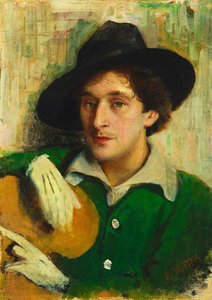
1887 - 1985 , Belarus


Blijf op de hoogte van het laatste kunstnieuws, exclusieve aanbiedingen en inspirerende interieurideeën.
Vertel ons over uw project en onze kunstexperts geven u 3 gepersonaliseerde kunstsuggesties.
Wij stellen 3 opties speciaal voor u samen – Gratis!


 Bekijk op ware grootte
 Verstuur
 Delen
Delen
 Details bekijken

 Download
 Vergelijkbare werken
 Röntgenonderzoek
 Diavoorstelling
 Lees meer