Acrylic On CanvasWallArtSurrealist Art
 1960Modern
 32.0 x 24.0 cm
Giclée- of canvasafdruk van museumkwaliteit met een snelle productie en flexibele afwerkingsmogelijkheden. ( Handgemaakt schilderij kopen Afbeelding kopen)





























Kies uit onze vooraf ingestelde maten die overeenkomen met de originele verhoudingen van het kunstwerk.

U kunt uw eigen afmetingen opgeven om in een specifieke lijst of ruimte te passen. Als de door u gekozen maat niet overeenkomt met de proporties van het originele kunstwerk, zullen wij de afbeelding bijsnijden of uitbreiden met een gespiegelde of effen rand. Een digitaal mockup wordt ter goedkeuring naar u verzonden voordat de productie begint.
Houd er rekening mee dat de preview op het scherm de werkelijke bijsneding of uitbreiding niet weergeeft. Alleen de mockup toont de uiteindelijke compositie nauwkeurig.
Hoewel aangepaste maten beschikbaar zijn, raden wij aan een afmeting uit de vooraf bepaalde lijst te kiezen om de originele proporties te behouden.
Wereldwijde levering () binnen 2 weken in plaats van de standaard 4/5 weken. (13 augustus)


The Circus
Formaat reproductie
Marc Chagall's "The Circus," created in 1960, transcends mere representation; it embodies the very spirit of Naïve Art (Primitivism), transporting viewers into a realm where logic yields to imagination and memory dances with fantasy. Measuring 32 x 24 cm, this lithograph is more than just an image—it’s a portal to Chagall's deeply personal vision of childhood recollections and Jewish tradition.
Chagall’s stylistic approach aligns perfectly with the tenets of Naïve Art, a movement characterized by artists devoid of formal artistic training who nevertheless produce strikingly original works. Unlike academic painting, which strives for meticulous realism, Chagall deliberately eschews precision, favoring exaggerated proportions and flattened perspectives—techniques that heighten emotional impact and prioritize expressive color palettes. The stark black and white rendering of the central figure is juxtaposed with bursts of vibrant yellow, creating a dynamic tension that underscores the artwork’s dreamlike quality.
The composition itself narrates a story—a tale of wonder and movement. At its core stands a dancer, rendered in bold black and white, whose upward gaze embodies grace and aspiration. Surrounding him are symbolic elements that enrich the narrative: a clown figure on the right, representing humor and absurdity; and a horse’s head emerging from the left, symbolizing fertility and primal instinct—references to Chagall's formative years spent in Vitebsk, where he witnessed firsthand the confluence of Orthodox faith and Jewish culture.
Dominating the canvas is a pervasive yellow hue, not merely decorative but profoundly emotive. Yellow represents joy, optimism, and enlightenment—themes central to Chagall’s artistic worldview. It illuminates the figures and landscape alike, fostering an atmosphere of enchantment and inviting contemplation. The artist's deliberate use of color serves as a conduit for conveying feelings rather than documenting reality.
Born Moishe Shagal in 1887 in Liovana, Belarus, Chagall’s artistic journey coincided with the burgeoning modernist movement. Yet, he steadfastly championed Naïve Art (Primitivism), rejecting academic conventions and prioritizing intuitive expression. This decision reflects a broader trend within art history—a yearning for authenticity and an appreciation of unfiltered emotion—and secures “The Circus”'s place as a cornerstone of Chagall’s legacy.
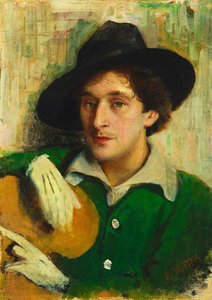
1887 - 1985 , Belarus

Ditch the boring decor. Discover why Naive Art's raw, bold, and unfiltered aesthetic is the ultimate trend for modern urban spaces. Learn how to use vibrant colors and unstudied sincerity to create a high-impact, authentic vibe in your home or studio.


Blijf op de hoogte van het laatste kunstnieuws, exclusieve aanbiedingen en inspirerende interieurideeën.
Vertel ons over uw project en onze kunstexperts geven u 3 gepersonaliseerde kunstsuggesties.
Wij stellen 3 opties speciaal voor u samen – Gratis!


 Bekijk op ware grootte
 Verstuur
 Delen
Delen
 Details bekijken

 Download
 Vergelijkbare werken
 Röntgenonderzoek
 Diavoorstelling
 Lees meer







 De optie voor glas is alleen beschikbaar bij een formaat kleiner dan 110 cm.