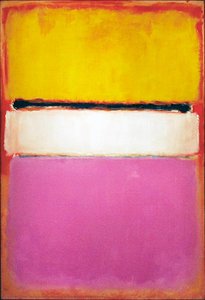
Acrylic On CanvasWallArtAbstract Expressionism
 1947Modern
 101.0 x 138.0 cm
Met de hand geschilderd in olieverf op canvas in uw gewenste maat en lijst, op bestelling gemaakt door onze kunstenaars. ( Bestel print Koop afbeelding)





























Kies uit onze vooraf ingestelde maten die overeenkomen met de originele verhoudingen van het kunstwerk.

U kunt uw eigen afmetingen invoeren om in een specifieke lijst of ruimte te passen. Als de door u gekozen maat niet overeenkomt met de verhoudingen van het originele beeld, zullen we het kunstwerk bijsnijden of het schilderij uitbreiden met extra handgeschilderde elementen. Een digitale mockup wordt ter goedkeuring naar u verzonden voordat de productie begint.
Houd er rekening mee dat de preview op het scherm niet de werkelijke uitsnede of uitbreiding weergeeft. Alleen de mockup toont de uiteindelijke compositie nauwkeurig.
Hoewel aangepaste afmetingen mogelijk zijn, raden we aan een maat uit de vooraf gedefinieerde lijst te selecteren om de originele verhoudingen te behouden.
Wereldwijde levering () binnen 3 tot 4 weken in plaats van de standaard 5 weken. (21 augustus). Zonder concessies aan de kwaliteit.


No. 3
Afmetingen reproductie
Mark Rothko’s ‘No. 3,’ painted in 1947, is more than just a canvas filled with color; it’s a profound exploration of human emotion, born from the artist’s own deeply personal experiences. Measuring 101 x 138 cm, this large-scale work exemplifies Rothko's signature style – monumental blocks of saturated color layered to create an intense and almost overwhelming sense of atmosphere. The painting immediately draws the viewer in with its central circular form, a deep blue backdrop pulsating with an inner light, while surrounding shapes—including stylized bird figures—add layers of complexity and contemplation. This piece represents a pivotal moment in Rothko’s artistic development, solidifying his commitment to expressing universal human experiences through abstract forms.
Understanding ‘No. 3’ requires acknowledging the formative influences shaping Rothko's worldview. Born in Dvinsk (now Daugavpils), Latvia, in 1903, he carried within him a legacy of displacement and hardship. His family’s emigration to Portland, Oregon, in 1913, following his father’s death, introduced him to a new culture while simultaneously exposing him to the profound grief of loss – a theme that would become central to his work. Rothko's early life was marked by instability and intellectual ferment, fostering a sensitivity to suffering and a preoccupation with existential questions. This background is palpable in ‘No. 3,’ where the seemingly simple arrangement of color evokes a sense of unease and introspection, mirroring the artist’s own struggles with mortality and meaning.
Rothko's technique was meticulously developed over years of experimentation. He employed a layering method, applying thin washes of oil paint that were allowed to bleed into one another, creating subtle gradations and shimmering effects. The dominant blues are not uniform; they shift in tone and intensity, suggesting depth and movement. The bird figures, rendered with simple geometric forms, serve as anchors within the swirling color fields, drawing the eye across the canvas. Their placement—one in the upper left corner, another in the lower right—creates a dynamic tension, preventing the composition from feeling static or overly contemplative. This careful orchestration of color and form is key to the painting’s emotional impact.
'No. 3' isn’t about literal representation; it’s about conveying profound emotions. The circular forms, often interpreted as representing the cosmos or the human soul, evoke a sense of both vastness and vulnerability. The birds, frequently recurring motifs in Rothko’s work, can be seen as symbols of hope, freedom, or perhaps even mourning – echoing his own experiences with loss and displacement. Ultimately, the painting invites viewers to confront their own anxieties about existence, mortality, and the search for solace within a chaotic world. It's a testament to Rothko's ability to tap into universal human emotions through the power of color and form.
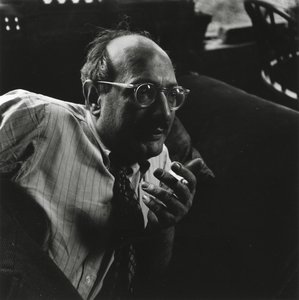
1903 - 1970 , Letland

Dive into the high-voltage world of Abstract Expressionism. Explore the raw energy of Action Painting and the legendary masters of the New York School through a visual journey of pure chaos and color. Discover how to bring bold, high-impact abstract art into your modern space.

Dive into the raw power of Abstract Expressionism. Explore the high-octane energy of action painting and color field mastery. Discover how these bold, visceral movements redefine modern interiors with high-impact, premium abstract art for the contemporary collector.

Command attention with the high-impact power of Rothko. Discover premium, hand-painted oil reproductions and custom abstract masterpieces at BuyPopArt.com. Elevate your space with bold, museum-grade Color Field art designed for maximum visual impact and modern urban style.

Elevate your space with bold water landscapes and deep blue textures. Discover trending abstract art, from sculptural textiles to premium oil reproductions, designed to bring high-impact, liquid vibes to modern urban interiors.

Master the high-impact world of contemporary abstraction. Discover how bold colors, textures, and modern movements like Abstract Expressionism can transform your space with premium, high-energy art curated for the design-conscious professional.


Blijf op de hoogte van het laatste kunstnieuws, exclusieve aanbiedingen en decoratie-ideeën.
Vertel ons over uw project en onze kunstexperts geven u 3 gepersonaliseerde kunstsuggesties.
Wij stellen drie opties speciaal voor u samen – gratis!


 Voorvertoning
 Verstuur
 Delen
Delen
 Details bekijken

 Download
 Vergelijkbare items
 Röntgenonderzoek
 Diavoorstelling
 Lees meer







 De optie voor glas is alleen beschikbaar bij een formaat kleiner dan 110 cm.