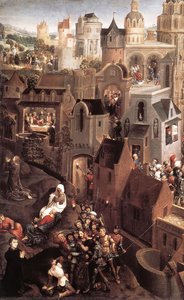
Acrylic On CanvasWallArtEarly Netherlandish Painting
 1485
1485 191.0 x 84.0 cm
 Staatsgalerie
Giclée- of canvasafdruk van museumkwaliteit met een snelle productie en flexibele afwerkingsmogelijkheden. ( Bestel handgeschilderde reproductie Koop afbeelding)





























Kies uit onze vooraf ingestelde maten die overeenkomen met de originele verhoudingen van het kunstwerk.

U kunt uw eigen afmetingen opgeven om in een specifieke lijst of ruimte te passen. Als de door u gekozen maat niet overeenkomt met de proporties van het originele kunstwerk, zullen wij de afbeelding bijsnijden of uitbreiden met een gespiegelde of effen rand. Een digitaal mockup wordt ter goedkeuring naar u verzonden voordat de productie begint.
Houd er rekening mee dat de preview op het scherm de werkelijke bijsneding of uitbreiding niet weergeeft. Alleen de mockup toont de uiteindelijke compositie nauwkeurig.
Hoewel aangepaste maten beschikbaar zijn, raden wij aan een afmeting uit de vooraf bepaalde lijst te kiezen om de originele proporties te behouden.
Wereldwijde levering () binnen 2 weken in plaats van de standaard 4/5 weken. (15 augustus)


Bathsheba
Afmetingen reproductie
Hans Memling’s “Bathsheba,” completed around 1485 in Bruges, Belgium, stands as a cornerstone of Early Netherlandish painting—a movement renowned for its meticulous realism, profound psychological insight, and unwavering devotion to religious iconography. More than just a depiction of a biblical scene, the artwork embodies the humanist spirit burgeoning during the Renaissance, skillfully blending observation of human anatomy with symbolic representation to convey a complex tapestry of emotion.
Subject Matter & Narrative Context: The painting portrays Bathsheba, wife of King David, bathing in a luxurious bedchamber. This intimate tableau captures a moment of vulnerability and grace—Bathsheba kneels before her husband, accepting a robe from a maidservant. The narrative draws upon the biblical tale recounted in Psalm 27:13-14, where David confesses his sins to Bathsheba and seeks forgiveness for his transgression against Uriah the Hittite.
Style & Technique: Memling’s masterful execution exemplifies the stylistic hallmarks of Bruges painting. Employing oil paint on panel—a technique pioneered by Jan van Eyck—Memling achieved unparalleled luminosity and textural detail. The artist meticulously rendered skin tones, drapery folds, and subtle nuances of light and shadow, creating an illusionistic depth that transcends mere representation. His meticulous attention to anatomical accuracy reflects the influence of humanist scholarship prevalent at the time.
Symbolism & Emotional Impact: Beyond its narrative content, “Bathsheba” is laden with symbolic significance. The bedchamber itself represents domestic tranquility and marital harmony—a deliberate contrast to David’s moral failings. The maidservant symbolizes purity and humility, offering Bathsheba comfort and support as she seeks divine grace. Memling's use of chiaroscuro – the dramatic interplay between light and dark – amplifies the emotional resonance of the scene, conveying a palpable sense of tenderness and spiritual contemplation.
Influence & Legacy: “Bathsheba”’s impact on subsequent artists is undeniable. Its meticulous realism and expressive handling of emotion served as inspiration for generations of painters striving to capture the human condition with unwavering fidelity. The artwork continues to captivate viewers today, prompting reflection on themes of repentance, forgiveness, and the enduring power of faith—a testament to Memling's genius and the enduring beauty of Early Netherlandish art.
Additional Resources: For a deeper understanding of Bathsheba’s artistic context and Memling’s oeuvre, we encourage you to explore:

Duitsland

Explore the breathtaking precision of Early Netherlandish painting. From Jan van Eyck’s luminous oil glazes to hidden Renaissance symbolism, discover how Northern masters mastered detail and light in this expert guide for art enthusiasts.


Blijf op de hoogte van het laatste kunstnieuws, exclusieve aanbiedingen en decoratie-ideeën.
Vertel ons over uw project en onze kunstexperts geven u 3 gepersonaliseerde kunstsuggesties.
Wij stellen drie opties speciaal voor u samen – gratis!


 Voorvertoning
 Verstuur
 Delen
Delen
 Details bekijken

 Download
 Vergelijkbare items
 Röntgenonderzoek
 Diavoorstelling
 Lees meer







 De optie voor glas is alleen beschikbaar bij een formaat kleiner dan 110 cm.