Olieverf op canvasWanddecoratiePost-Impressionist Style
 187719e eeuw
 65.0 x 81.0 cm
 Museum of Fine Arts (Budapest)
Giclée- of canvasafdruk van museumkwaliteit met een snelle productie en flexibele afwerkingsmogelijkheden. ( Handgemaakt schilderij kopen Afbeelding kopen)





























Kies uit onze vooraf ingestelde maten die overeenkomen met de originele verhoudingen van het kunstwerk.

U kunt uw eigen afmetingen opgeven om in een specifieke lijst of ruimte te passen. Als de door u gekozen maat niet overeenkomt met de proporties van het originele kunstwerk, zullen wij de afbeelding bijsnijden of uitbreiden met een gespiegelde of effen rand. Een digitaal mockup wordt ter goedkeuring naar u verzonden voordat de productie begint.
Houd er rekening mee dat de preview op het scherm de werkelijke bijsneding of uitbreiding niet weergeeft. Alleen de mockup toont de uiteindelijke compositie nauwkeurig.
Hoewel aangepaste maten beschikbaar zijn, raden wij aan een afmeting uit de vooraf bepaalde lijst te kiezen om de originele proporties te behouden.
Wereldwijde levering () binnen 2 weken in plaats van de standaard 4/5 weken. (12 augustus)


The Buffet
Formaat reproductie
In the quietude of Paul Cézanne's "The Buffet," painted in 1877, we encounter far more than a mere arrangement of fruit and tableware. This masterpiece serves as a profound testament to a pivotal moment in art history, where the fleeting light of Impressionism began to coalesce into something much more structural and enduring. At first glance, the canvas presents a humble scene: a table laden with oranges, a bottle of wine, and delicate cups set against the domestic backdrop of dining chairs. Yet, beneath this deceptive simplicity lies a defiant assertion that the most commonplace objects can hold immense intellectual and aesthetic weight. For the discerning collector or interior designer, this work offers a sophisticated anchor, bringing a sense of timeless stability and intellectual depth to any curated space.
Cézanne’s journey during this period was one of intense metamorphosis. While he initially drew inspiration from the vibrant, ephemeral palettes of his contemporaries like Monet and Renog, he found himself yearning for a more permanent truth. In "The Buffet," we see the early tremors of his departure from pure Impressionism. Rather than merely capturing the optical sensation of light hitting a surface, Cézanne began to prioritize the sculptural quality of form. He utilized bolder brushstrokes and a deliberate flattening of perspective, techniques that would eventually pave the way for the radical fragmentation of Cubism. This approach transforms the still life into a study of volume and weight, inviting the viewer to appreciate the physical presence of each object.
Every element within this composition has been meticulously placed to achieve a state of visual equilibrium. The oranges, a recurring motif throughout Cézanne's celebrated oeuvre, act as vibrant beacons of color that symbolize fertility, abundance, and the artist's own burgeoning aspirations for success. They provide a rhythmic pulse to the painting, drawing the eye across the tabletop. Beside them, the wine bottle serves as a subtle nod to his camaraderie with the Impressionist circle, representing both a connection to his artistic roots and a symbol of the shared culture of French life. The careful arrangement of the cups and the central bowl creates a sense of architectural stability, a deliberate contrast to the more fluid and unstructured compositions of his peers.
For those seeking to integrate fine art into a modern interior, "The Buffet" offers an unparalleled emotional impact. It possesses a unique ability to command attention through its quiet strength rather than through loud or chaotic imagery. The painting evokes a sense of calm, groundedness, and contemplative luxury. Whether placed in a sunlit breakfast nook or as a focal point in a formal dining room, a high-quality reproduction of this work brings with it the prestige of the Post-Impressionist movement. It is an invitation to slow down, to observe the beauty in the mundane, and to appreciate the enduring power of structured, thoughtful composition.
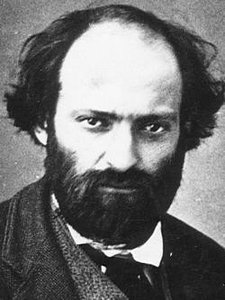
1839 - 1906 , Frankrijk
Ontdek de 25 meest iconische schilderijen van Paul Cézanne! Duik in zijn kleurrijke wereld, leer over impressionisme & post-impressionisme en bewonder meesterwerken als 'De Baders'. Vind museumkwaliteit reproducties & interieurinspiratie op BuyPopArt.com.

Ontdek de top 10 impressionistische meesterwerken van Monet, Renoir & meer! Duik in kleur, licht en emotie met deze iconische schilderijen. Vind museumkwaliteit kunst reproducties voor uw interieur op BuyPopArt.com.

Explore the profound emotional depth & innovative techniques of Post-Impressionism with BuyPopArt. Discover Cézanne, Van Gogh, Gauguin & more – and their lasting impact on modern art.

Creëer een onvergetelijke wijnervaring met doordachte kunstselectie! Ontdek hoe u terroir, traditie en sfeer versterkt in uw wijnkelder of proeflokaal. Expert advies & inspiratie.

Explore the captivating world of Impressionism! Discover its history, key artists like Monet & Renoir, defining techniques, and lasting impact on modern art. Expert insights for collectors.


Blijf op de hoogte van het laatste kunstnieuws, exclusieve aanbiedingen en inspirerende interieurideeën.
Vertel ons over uw project en onze kunstexperts geven u 3 gepersonaliseerde kunstsuggesties.
Wij stellen 3 opties speciaal voor u samen – Gratis!


 Bekijk op ware grootte
 Verstuur
 Delen
Delen
 Details bekijken

 Download
 Vergelijkbare werken
 Röntgenonderzoek
 Diavoorstelling
 Lees meer







 De optie voor glas is alleen beschikbaar bij een formaat kleiner dan 110 cm.