

 Olieverf op paneelEarly Netherlandish Renaissance
 1441Laatmiddeleeuwen
 Koninklijke Musea voor Schone Kunsten van België
Giclée- of canvasafdruk van museumkwaliteit met een snelle productie en flexibele afwerkingsmogelijkheden. ( Bestel handgeschilderde reproductie Koop afbeelding)





























Kies uit onze vooraf ingestelde maten die overeenkomen met de originele verhoudingen van het kunstwerk.

U kunt uw eigen afmetingen opgeven om in een specifieke lijst of ruimte te passen. Als de door u gekozen maat niet overeenkomt met de proporties van het originele kunstwerk, zullen wij de afbeelding bijsnijden of uitbreiden met een gespiegelde of effen rand. Een digitaal mockup wordt ter goedkeuring naar u verzonden voordat de productie begint.
Houd er rekening mee dat de preview op het scherm de werkelijke bijsneding of uitbreiding niet weergeeft. Alleen de mockup toont de uiteindelijke compositie nauwkeurig.
Hoewel aangepaste maten beschikbaar zijn, raden wij aan een afmeting uit de vooraf bepaalde lijst te kiezen om de originele proporties te behouden.
Wereldwijde levering () binnen 2 weken in plaats van de standaard 4/5 weken. (15 augustus)


Pietà
Afmetingen reproductie
In the quiet corridors of the Royal Museums of Fine Arts in Brussels, there exists a window into the profoundest depths of human grief and divine compassion. Rogier van der Weyden’s Pietà, completed around 1441, is not merely a painting; it is a visceral experience that transcends the boundaries of time. At its heart, the work captures the devastating moment of the Lamentation, where the Virgin Mary cradles the lifeless, broken body of her son, Jesus Christ. The composition is a masterclass in emotional gravity, drawing the viewer into a sacred space where the weight of mortality meets the hope of redemption. Through his revolutionary use of oil on wood panel, Van der Weyden achieves a luminous clarity that allows the textures of cold flesh, heavy drapery, and weathered stone to breathe with an almost startling vitality.
The technical brilliance of this Early Netherlandish masterpiece lies in its meticulous realism, a departure from the more rigid Gothic traditions of the past. Van der Weyden, who likely began his journey as a goldsmith, brought a jeweler's precision to the canvas. Every fold of Mary’s mantle and every subtle shift in the pallor of Christ’s skin is rendered with an exacting devotion to detail. This level of craftsmanship does more than showcase skill; it serves a higher purpose. The artist uses light and shadow to sculpt the figures, creating a three-dimensional presence that invites the observer to witness the scene as if standing within the very shadows of Golgotha. For the collector or lover of fine art, this painting represents the pinnacle of technical mastery, where every brushstroke is an act of devotion.
Beyond its striking visual beauty, the Pietà is a dense tapestry of theological symbolism designed to provoke deep spiritual contemplation. Every element within the frame serves as a silent sermon. Beneath Christ’s feet, the presence of a skull acts as a poignant memento mori, a stark reminder of death and the biblical legacy of Adam’s fall. This connection between the first man and the Savior underscores the theme of universal suffering and the promise of grace. Even the landscape itself participates in this narrative; the withered, skeletal trees flanking the central figures symbolize the desolation brought about by sin, yet they stand as silent witnesses to the transformative power of the sacrifice being depicted.
The emotional architecture of the piece is further enriched by the inclusion of secondary figures, such as John the Evangelist, whose presence provides a human connection to the divine tragedy. The interplay between the characters—the way Mary presses her cheek against her son’s limp head—creates a rhythmic movement of sorrow that guides the eye through the composition. For those seeking to bring a sense of profound history and contemplative peace into a curated space, this work offers an unparalleled depth. It is a piece that does not merely decorate a room but transforms it, providing a focal point for reflection on the enduring human condition and the timeless beauty of classical devotion.
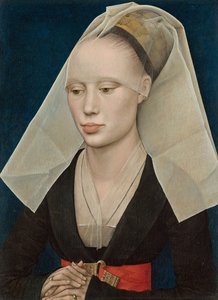
1400 - 1464 , België

Ontdek de 10 meesterwerken van de Vroege Nederlandse Renaissance! Van Jan van Eyck tot Rogier van der Weyden, leer over hun techniek & symboliek. Vind museumkwaliteit kunst reproducties en decoratie-inspiratie op BuyPopArt.com.

Ontdek de 25 meest iconische schilderijen van Vincent van Gogh! Duik in zijn emotionele wereld vol sterrennachten, zonnebloemen & post-impressionisme. Museumkwaliteit kunstprints voor een unieke woonstijl op BuyPopArt.com.

Ontdek de 10 meesterwerken van Jan van Eyck, Rogier van der Weyden & andere Vlaamse Primitieven. Duik in de rijke symboliek en olieverfschilderijen van de Vroege Nederlandse Schilderkunst. Vind museumkwaliteit reproducties op BuyPopArt.com!

Explore the revolutionary art of Rogier van der Weyden, a pivotal figure of the Early Netherlandish Renaissance. Discover his emotional realism, innovative compositions, and lasting impact on painting history.

Explore the revolutionary art of Hugo van der Goes – a master of Early Netherlandish painting renowned for his dramatic realism, psychological depth & profound influence on Renaissance artists. Discover his iconic works and lasting legacy.


Blijf op de hoogte van het laatste kunstnieuws, exclusieve aanbiedingen en decoratie-ideeën.
Vertel ons over uw project en onze kunstexperts geven u 3 gepersonaliseerde kunstsuggesties.
Wij stellen drie opties speciaal voor u samen – gratis!


 Voorvertoning
 Verstuur
 Delen
Delen
 Details bekijken

 Download
 Vergelijkbare items
 Röntgenonderzoek
 Diavoorstelling
 Lees meer







 De optie voor glas is alleen beschikbaar bij een formaat kleiner dan 110 cm.


