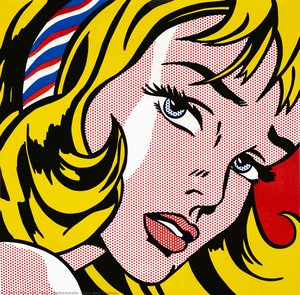
Acrylic On CanvasWallArtPop Art
 1962Modern
 106.0 x 106.0 cm
Giclée- of canvasafdruk van museumkwaliteit met een snelle productie en flexibele afwerkingsmogelijkheden. ( Bestel een handgeschilderde reproductie van dit verzamelobject Naar afbeelding wisselen)





























Kies uit onze vooraf ingestelde maten die overeenkomen met de originele verhoudingen van het kunstwerk.

U kunt uw eigen afmetingen opgeven om in een specifieke lijst of ruimte te passen. Als de door u gekozen maat niet overeenkomt met de proporties van het originele kunstwerk, zullen wij de afbeelding bijsnijden of uitbreiden met een gespiegelde of effen rand. Een digitaal mockup wordt ter goedkeuring naar u verzonden voordat de productie begint.
Houd er rekening mee dat de preview op het scherm de werkelijke bijsneding of uitbreiding niet weergeeft. Alleen de mockup toont de uiteindelijke compositie nauwkeurig.
Hoewel aangepaste maten beschikbaar zijn, raden wij aan een afmeting uit de vooraf bepaalde lijst te kiezen om de originele proporties te behouden.
Wereldwijde levering () binnen 2 weken in plaats van de standaard 4/5 weken. (11 augustus)


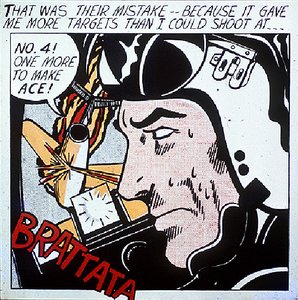
Brattata
Formaat reproductie
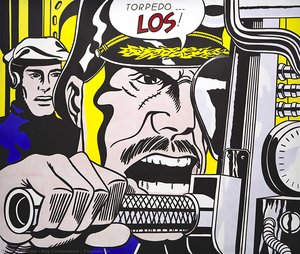
Roy Lichtenstein's “Brattata,” completed in 1962, stands as a cornerstone of Pop Art—a movement that irrevocably challenged artistic conventions and embraced imagery derived from popular culture. Measuring 106 x 106 cm and residing within the Tehran Museum of Contemporary Art’s collection, this oil on canvas painting transcends mere representation; it's an audacious reimagining of comic book aesthetics into a sophisticated form of visual art.
At its genesis lies DC Comics’ “All-American Men of War” #89, January–February 1962. Lichtenstein wasn't merely copying; he was actively interrogating the visual language of comics—a medium known for its bold lines, flat colors, and stylized narratives—transforming it into a statement of artistic ambition. The panel depicts a tense aerial combat scenario featuring a pilot battling enemy aircraft, capturing the dynamism and immediacy characteristic of comic book storytelling.
Lichtenstein’s masterful technique—the deliberate incorporation of Ben-Day dots—is central to “Brattata’s” impact. This method, borrowed from commercial printing processes, meticulously replicates the halftone shading found in comic books. Thick black outlines delineate figures and shapes with precision, while stylized shading contributes to a sense of depth without resorting to traditional perspective. The artist's intention was not simply to reproduce but to elevate the conventions of comics into the realm of fine art, questioning notions of artistic skill and originality.
Beyond its visual style, “Brattata” pulsates with narrative energy. Above the pilot’s helmet is a text balloon bearing the phrase "That was their mistake - because it gave me more targets than I could have shot at," encapsulating a moment of strategic calculation amidst the chaos of battle. The inclusion of onomatopoeia—the word “BRATTATA”—further amplifies the painting's dramatic impact, mirroring the sounds of gunfire and reinforcing its connection to comic book conventions.
“Brattata” isn’t merely a stylistic exercise; it reflects Lichtenstein’s own formative experiences as a United States Army pilot during World War II. Like other works from his aeronautical genre—including “Jet Pilot,” “Bratatat!,” and “Okay Hot-Shot, Okay!”—the painting embodies Lichtenstein's fascination with military imagery and his desire to explore themes of courage and conflict. The meticulous depiction of the gun sight and cockpit control panel by Russ Heath underscores Lichtenstein’s commitment to capturing realistic details while maintaining the distinctive aesthetic of comic art.

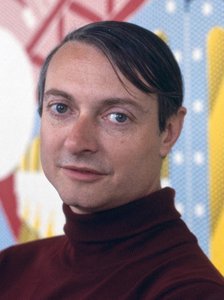
1923 - 1997 , Verenigde Staten van Amerika

Master your space with bold Pop Art. Discover trend-setting ways to use high-impact colors and iconic pieces like Lichtenstein to create visual harmony. Elevate your home with premium, hand-painted reproductions and custom art commissions designed for the modern collector.


Blijf op de hoogte van het laatste kunstnieuws, exclusieve aanbiedingen en inspirerende interieurideeën.
Vertel ons over uw project en onze kunstexperts geven u 3 gepersonaliseerde kunstsuggesties.
Wij stellen 3 opties speciaal voor u samen – Gratis!


 Bekijk op ware grootte
 Verstuur
 Delen
Delen
 Details bekijken

 Download
 Vergelijkbare werken
 Röntgenonderzoek
 Diavoorstelling
 Lees meer







 De optie voor glas is alleen beschikbaar bij een formaat kleiner dan 110 cm.