
x


 Bestel schilderij Koop afbeelding in hoge resolutie
 Verstuur
 Details bekijken
 Toevoegen aan favorieten
 Download
 Vergelijkbare werken
 Röntgenonderzoek
 Diavoorstelling
 1878
1878 70.0 x 112.0 cm
Giclée- of canvasafdruk van museumkwaliteit met snelle productie en flexibele afwerkingsopties.
Kies uit onze vooraf ingestelde maten die overeenkomen met de originele verhoudingen van het kunstwerk.

U kunt uw eigen afmetingen opgeven om in een specifieke lijst of ruimte te passen. Als de door u gekozen maat niet overeenkomt met de proporties van het originele kunstwerk, zullen wij de afbeelding bijsnijden of uitbreiden met een gespiegelde of effen rand. Een digitaal mockup wordt ter goedkeuring naar u verzonden voordat de productie begint.
Houd er rekening mee dat de preview op het scherm de werkelijke bijsneding of uitbreiding niet weergeeft. Alleen de mockup toont de uiteindelijke compositie nauwkeurig.
Hoewel aangepaste maten beschikbaar zijn, raden wij aan een afmeting uit de vooraf bepaalde lijst te kiezen om de originele proporties te behouden.
Wereldwijde levering () binnen 2 weken in plaats van de standaard 4/5 weken. (20 juli)


Two Salmon
Afmetingen reproductie
William Geddes (1841-1884) emerges from the vibrant, yet often overlooked, landscape of 19th-century Scottish art. More than simply a painter of picturesque scenes, Geddes was a keen observer of his time, capturing not just the beauty of the Highlands and Lowlands but also the evolving social fabric of Victorian Scotland. His work, characterized by a delicate balance of sentimentalism and realism, offers a poignant glimpse into a rapidly changing nation – a nation grappling with industrialization, urbanization, and the lingering traditions of its past.
Born in Blairgowrie, Perthshire, Geddes’s artistic journey began under the tutelage of his brother, James Geddes, another accomplished painter. This familial connection undoubtedly fostered an early appreciation for art and provided a supportive environment for experimentation. However, William quickly developed his own distinct style, one that leaned towards a heightened emotionalism – a hallmark of the “Scottish Colourists,” though he predates their formal emergence. Unlike some of his contemporaries who embraced bold, expressive brushstrokes, Geddes favored a more restrained palette and meticulous detail, creating images imbued with a quiet melancholy and a profound sense of place.
Geddes’s artistic development was profoundly shaped by the prevailing aesthetic currents of his era. The influence of Pre-Raphaelitism is readily apparent in his early works, particularly in his depictions of Highland folklore and romanticized landscapes. Subjects like fairy tales, ancient legends, and scenes from Scottish history were frequently rendered with a heightened sense of drama and symbolism. Yet, Geddes’s work transcends mere imitation; he infused these borrowed elements with a distinctly personal sensibility, imbuing them with a subtle emotional depth.
Crucially, Geddes was deeply connected to the intellectual and artistic circles of his time. He associated with figures like Robert Weir, another prominent Scottish painter, and engaged in discussions about art and culture that informed his creative process. His travels throughout Scotland provided him with an intimate understanding of the country’s diverse landscapes – from the rugged peaks of the Highlands to the rolling hills of the Lowlands – which he meticulously translated onto canvas. The meticulous observation of light and shadow, a key element of his technique, speaks volumes about his dedication to capturing the essence of each scene.
Geddes’s oeuvre is remarkably diverse, encompassing portraits, genre scenes, and landscapes. However, certain recurring themes consistently emerge in his work. The depiction of rural life – particularly the lives of ordinary Highlanders – occupies a central place in his artistic output. These paintings are not idealized representations; they offer a nuanced portrayal of hardship alongside moments of quiet dignity and resilience. He frequently depicted women engaged in domestic tasks, children playing in the fields, and shepherds tending their flocks, capturing the rhythms of rural existence with remarkable sensitivity.
Portraiture also constitutes a significant portion of Geddes’s output. His portraits are notable for their psychological depth and subtle expressions. Rather than simply presenting likenesses, he sought to capture the inner lives of his subjects – their hopes, fears, and aspirations. These portraits offer intimate glimpses into the personalities of Victorian Scotland's elite.
Despite a tragically short life—he died at the young age of 43—William Geddes left behind a substantial body of work that continues to resonate with viewers today. His paintings are valued for their technical skill, emotional depth, and evocative portrayal of Scottish life. While he didn’t achieve widespread fame during his lifetime, his influence on subsequent generations of Scottish artists is undeniable.
Geddes's work aligns him closely with the broader movement of Scottish Romanticism, a period characterized by an intense interest in national identity, folklore, and the beauty of the natural world. His paintings serve as a valuable historical record, offering insights into the social, cultural, and artistic landscape of Victorian Scotland. His legacy endures through his evocative depictions of a nation grappling with change, reminding us of the enduring power of art to capture both the beauty and the complexities of human experience.
For further research into William Geddes’s life and work, consider exploring these resources:

1841 - 1884


Blijf op de hoogte van het laatste kunstnieuws, exclusieve aanbiedingen en decoratie-ideeën.
Vertel ons over uw project en onze kunstexperts geven u 3 gepersonaliseerde kunstsuggesties.
Wij stellen 3 opties speciaal voor u samen – Gratis!


 Delen
Delen

 Lees meer
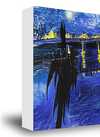
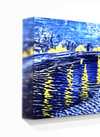
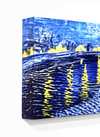
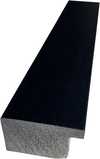
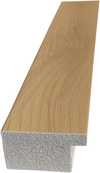
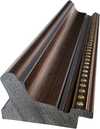
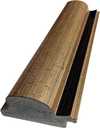
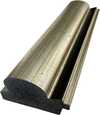
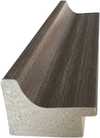
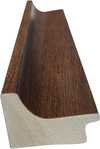
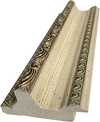
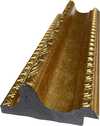
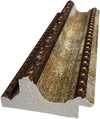
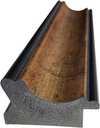
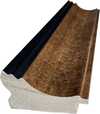
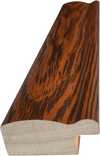
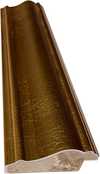
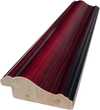
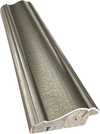
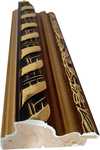
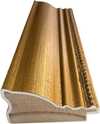
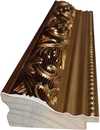
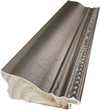
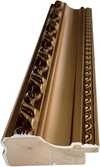
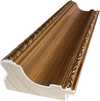
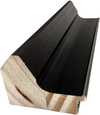
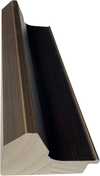
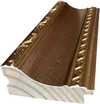
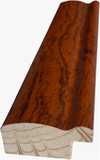
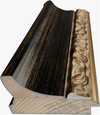
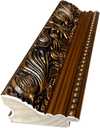
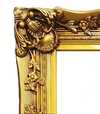
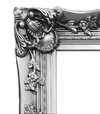
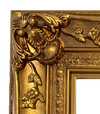
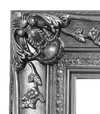
 De optie voor glas is alleen beschikbaar bij een formaat kleiner dan 110 cm.


