

 Contemporary Realism
 1920
1920 11.0 x 3.0 cm
 Museo Art Nouveau y Art Déco - Casa Lis
Giclée- eller lerretsprint av museumskvalitet med rask produksjon og fleksible valgmuligheter for etterbehandling. ( Bytt til håndmalt maleri Bytt til bilde)
Velg mellom våre forhåndsdefinerte størrelser som bevarer kunstverkets opprinnelige proporsjoner.

Du kan oppgi egne mål for å tilpasse en spesifikk ramme eller et bestemt område. Dersom den valgte størrelsen ikke samsvarer med det originale bildets proporsjoner, vil vi enten beskjære kunstverket eller utvide bildet med en speilet eller ensfarget kant. En digital mockup vil bli sendt til din godkjenning før produksjonen starter.
Vennligst merk at forhåndsvisningen på skjermen ikke gjenspeiler den faktiske beskjæringen eller utvidelsen. Kun mockuppen vil vise den endelige komposisjonen nøyaktig.
Selv om tilpassede størrelser er tilgjengelige, anbefaler vi å velge et mål fra den forhåndsdefinerte listen for å bevare de originale proporsjonene.
Verdensomspennende levering () på 2 uker i stedet for standard 4/5 uker. (5 August)


Grasshopper
Størrelse på reproduksjon
Franz Xaver Bergmann (July 27, 1861 – January 1, 1936) was a prominent Viennese foundry owner who became renowned for the production of exquisitely detailed and colorful patinated bronze sculptures. Though often mistakenly referred to as a sculptor himself, Bergmann’s true talent lay in his entrepreneurial skill and mastery of the casting process.
Born in Vienna, Austria, Bergmann inherited a family tradition in metalwork. His father, Franz Bergmann, was a skilled chaser who had established a small bronze factory in 1860 after relocating from Gablonz. This foundation provided young Franz Xaver with an early exposure to the intricacies of bronze production and laid the groundwork for his future success.
Franz Xaver Bergmann took over the family business and, in 1900, opened a new and expanded foundry. This marked a significant turning point, allowing him to increase production and diversify the range of bronze objects created. Many early designs continued to draw upon his father’s established workshop repertoire, ensuring a consistent level of quality and artistic merit.
Bergmann's foundry became celebrated for its diverse output, encompassing:
His work is characterized by meticulous detail, vibrant cold-painting techniques, and a playful approach to form. The bronzes often exhibit a remarkable sense of movement and personality.
It’s crucial to understand that Bergmann was not the sculptor in most cases; he was a foundry owner who employed numerous anonymous sculptors on a temporary basis. He expertly managed the casting, patination, and finishing processes, bringing their designs to life with exceptional quality. Bruno Zach, another notable artist, occasionally collaborated with Bergmann, utilizing his foundry for certain works – some of which were signed under the pseudonym ‘Prof. Tuch’.
Bergmann's bronzes are typically marked with either a letter 'B' within an urn-shaped cartouche or 'nam greb' – 'bergman' spelled in reverse. The latter signature was specifically used on erotic pieces to conceal his direct involvement.
Bergmann’s foundry played a significant role in the flourishing of decorative arts during the Art Nouveau period. His bronzes were highly sought after by collectors and remain popular today, representing a unique blend of artistic skill, technical expertise, and entrepreneurial vision. He successfully catered to a growing demand for luxurious and exotic objects, leaving behind a lasting legacy in the world of bronze sculpture.

1861 - 1936 , Austria

Utforsk kraften i monokrom interiørdesign! Denne guiden for hotelldesignere dykker ned i ekspresjonisme, tekstur og lyssetting for å skape elegante rom. Få ekspertråd og inspirasjon.

Transform your cherished travel photos into timeless oil paintings with expert artists at BuyPopArt.com. Museum-quality reproductions & custom portraits – preserve your memories beautifully.

Explore the life & art of Franz Xaver Winterhalter, the celebrated court painter of the 19th century. Discover his exquisite portraits of royalty and aristocracy – a symbol of prestige and refined taste.
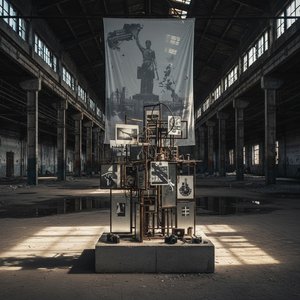
Explore the compelling work of Ukrainian artist Pavlo Makov, renowned for his conceptual photography deconstructing Soviet legacy. Discover his unique artistic process and investment potential.
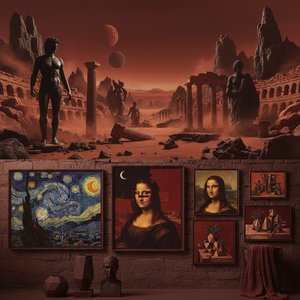
Utforsk 10 ikoniske malerier dominert av mars svart – fra Rembrandts skygger til Munchs angst. Oppdag historien bak mesterverkene og finn kunsttrykk for ditt hjem på BuyPopArt.com. Interiørkunst & reproduksjoner.


Hold deg oppdatert med de siste kunstnyhetene, eksklusive tilbud og dekorasjonsideer.
Fortell oss om prosjektet ditt, så vil våre kunsteksperter gi deg 3 personlige kunstforslag.
Vi velger ut 3 alternativer kun for deg – helt gratis!


 Forhåndsvisning
 Send
Send Del med andre
 Vis detaljer

 Last ned bildet
 Liknende objekter
 Røntgenundersøkelse
 Lysbildefremvisning
 Vis hele teksten




































 Glassalternativet er kun tilgjengelig i størrelser under 110 cm


