

 PaintingBalinese Traditional
 Modern
 58.0 x 43.0 cm
 Fukuoka Asian Art Museum
Giclée- eller lerretsprint av museumskvalitet med rask produksjon og fleksible valgmuligheter for etterbehandling. ( Kjøp håndlaget maleri Kjøp bilde)





























Velg mellom våre forhåndsdefinerte størrelser som bevarer kunstverkets opprinnelige proporsjoner.

Du kan oppgi egne mål for å tilpasse en spesifikk ramme eller et bestemt område. Dersom den valgte størrelsen ikke samsvarer med det originale bildets proporsjoner, vil vi enten beskjære kunstverket eller utvide bildet med en speilet eller ensfarget kant. En digital mockup vil bli sendt til din godkjenning før produksjonen starter.
Vennligst merk at forhåndsvisningen på skjermen ikke gjenspeiler den faktiske beskjæringen eller utvidelsen. Kun mockuppen vil vise den endelige komposisjonen nøyaktig.
Selv om tilpassede størrelser er tilgjengelige, anbefaler vi å velge et mål fra den forhåndsdefinerte listen for å bevare de originale proporsjonene.
Verdensomspennende levering () på 2 uker i stedet for standard 4/5 uker. (18 August)


Cremation
Størrelse på reproduksjon
Born in the heart of Bali, Indonesia, in Batuan – a village renowned for its traditional artistry – I Ketut Sadia emerged as a painter deeply connected to his cultural roots. While precise details surrounding his birthdate remain elusive, his artistic journey began under the tutelage of two pivotal figures: his father, I Wayan Taweng, and his brother, I Wayan Bendi. This familial grounding in Balinese painting techniques proved foundational, shaping not only his technical skills but also instilling a profound understanding of the island’s rich symbolism and spiritual narratives.
Batuan's artistic landscape is steeped in centuries-old traditions, characterized by intricate detail, vibrant colors, and depictions of daily life interwoven with mythological themes. Sadia’s early work reflects this heritage, showcasing a mastery of the *kamasan* style – a classical Balinese painting tradition known for its narrative complexity and use of stylized figures. However, he didn't simply replicate established forms; even in his formative years, a unique voice began to emerge. He actively sought opportunities to exhibit his art both within Indonesia and internationally, gaining recognition at prestigious venues like the Arma Museum, Puri Painting Museum, and Neka Museum. This exposure broadened his perspective while simultaneously reinforcing his commitment to preserving Balinese artistic identity.
Sadia’s oeuvre is particularly compelling for its poignant exploration of themes surrounding cremation – a central ritual in Balinese Hinduism. His most celebrated work, ‘Cremation,’ created in 1985, offers a powerful visual meditation on this transformative process. The painting isn't merely a depiction of the ceremony itself; it’s a layered commentary on life, death, and rebirth. Foreign tourists observing the funeral procession are included, adding a contemporary dimension to the traditional scene. This juxtaposition invites viewers to contemplate not only the cultural significance of cremation but also its universal human resonance. The artist skillfully presents Bali as seen through his own eyes, capturing both the spectacle and the spiritual depth of this ancient practice.
What sets Sadia apart is his ability to seamlessly blend traditional techniques with a contemporary sensibility. While deeply rooted in Balinese aesthetics, his work isn’t static or imitative. He introduces subtle modern motifs and perspectives, creating paintings that feel both timeless and relevant. His use of acrylic on paper allows for a fluidity and vibrancy that enhances the emotional impact of his scenes. The inclusion of everyday elements alongside sacred imagery grounds his art in reality, making it accessible to a wider audience while retaining its profound spiritual core.
I Ketut Sadia’s contributions extend beyond individual artworks; he represents a vital link between generations of Balinese painters. His dedication to preserving traditional techniques while embracing contemporary expression ensures the continued evolution of this unique artistic heritage. His work has been featured on Google Arts & Culture, further amplifying his reach and introducing his art to a global audience. As evidenced by auction records, his paintings are increasingly sought after by collectors worldwide, solidifying his position as a significant figure in Indonesian art. Sadia’s legacy lies not only in the beauty of his creations but also in his unwavering commitment to honoring the spiritual heart of Bali through the power of paint.

Indonesia

Utforsk Georges Braques 25 mest ikoniske verk! Fordyp deg i kubismens verden, fargepaletter og kunstnerisk nyskapning. Finn inspirasjon til din bolig med museumskvalitets reproduksjoner på BuyPopArt.com.
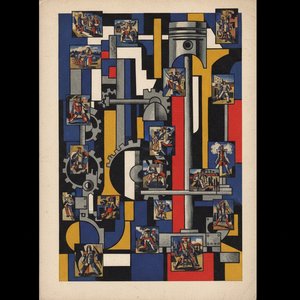
Utforsk Fernand Légers 25 mest ikoniske kunstverk! Oppdag kubismens mester, hans revolusjonerende stil og fargerike hyllest til maskinalderen. Finn inspirasjon til interiørdesign og kjøp eksklusive reproduksjoner på BuyPopArt.com.
Oppdag de 25 mest ikoniske kunstverkene fra Metropolitan Museum of Art i New York! Lær historien bak Rembrandt, Van Gogh, Monet og mer. Finn inspirasjon til interiøret ditt med museumskvalitets reproduksjoner på BuyPopArt.com.
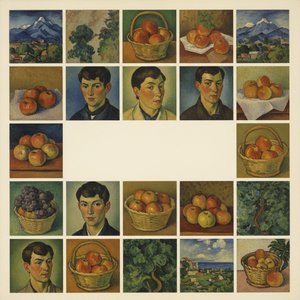
Utforsk Paul Cézannes 25 mest ikoniske malerier! Oppdag historien bak impresjonismens mesterverk, fra stilleben til landskap. Finn kunsttrykk av høy kvalitet og interiørinspirasjon på BuyPopArt.com.
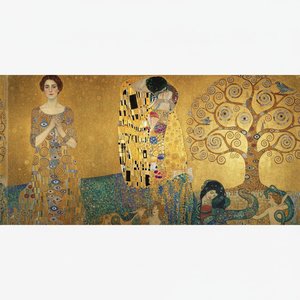
Utforsk Gustav Klimts 25 mest ikoniske kunstverk! Fordyp deg i Jugendstilens gullalder, symbolisme og portretter av kvinner. Finn inspirasjon til interiørdesign & kjøp eksklusive reproduksjoner på BuyPopArt.com.


Hold deg oppdatert med de siste kunstnyhetene, eksklusive tilbud og dekorasjonsideer.
Fortell oss om prosjektet ditt, så vil våre kunsteksperter gi deg 3 personlige kunstforslag.
Vi velger ut 3 alternativer kun for deg – helt gratis!


 Forhåndsvisning
 Send
Send Del med andre
 Vis detaljer

 Last ned bildet
 Liknende objekter
 Røntgenundersøkelse
 Lysbildefremvisning
 Vis hele teksten







 Glassalternativet er kun tilgjengelig i størrelser under 110 cm


