Om kunstneren
Early Life and Formation in Rome
Jacopo Rinaldi, born in Rome in 1988, emerged from a city steeped in layers of history—a landscape that would profoundly shape his artistic vision. His early exposure to the Eternal City’s complex narrative, its palimpsest of eras and ideologies, instilled within him a fascination with memory, time, and the very nature of representation. This formative period wasn't simply about observing Rome’s grandeur; it was about sensing the echoes beneath the surface, the stories held within its stones and archives. Rinaldi’s academic path reflected this inclination, beginning with studies at the Academy of Fine Arts in Rome before expanding his focus to visual arts and curatorial studies at NABA in Milan. This dual pursuit—the creation of art alongside a critical engagement with its presentation and context—would become a defining characteristic of his practice. The foundational years were crucial in establishing not only his technical skills but also his conceptual framework, setting the stage for an exploration that would increasingly intertwine personal investigation with broader historical inquiries.
The Szeemann Archive and Early Exhibitions
A pivotal moment in Rinaldi’s development came with his involvement at the Szeemann Archive starting in 2011. Working within this repository of art historical documentation—the legacy of the influential curator Harald Szeemann—provided him with unprecedented access to a wealth of materials, methodologies, and perspectives. The archive wasn't merely a collection of objects; it was a living testament to the power of artistic research and critical thinking. This experience profoundly influenced his approach, fostering a deep engagement with archival sources as both subject matter and medium. His early exhibitions began to reflect this sensibility, often incorporating found materials, documents, and ephemera to explore themes of collective memory and historical reconstruction. These weren’t simply displays of artifacts; they were carefully constructed narratives designed to provoke questions about the construction of history itself—how it is recorded, interpreted, and ultimately remembered (or forgotten).
Themes of Memory, Time, and Image
Rinaldi's work consistently orbits around the elusive nature of memory. He doesn’t seek to *reconstruct* the past in a literal sense but rather to excavate its fragments, revealing the inherent subjectivity and instability of historical accounts. This is often achieved through his skillful manipulation of archive materials—photographs, documents, texts—which are presented not as definitive evidence but as traces of lived experience, imbued with their own biases and limitations. Time itself becomes a central concern, explored not as a linear progression but as a layered and fragmented phenomenon. His installations frequently employ moving images and sound to create immersive environments that evoke a sense of temporal disorientation, challenging viewers to confront the complexities of historical perception. The image, in Rinaldi’s work, is never neutral; it's always mediated by context, interpretation, and the passage of time.
Major Achievements and Recognition
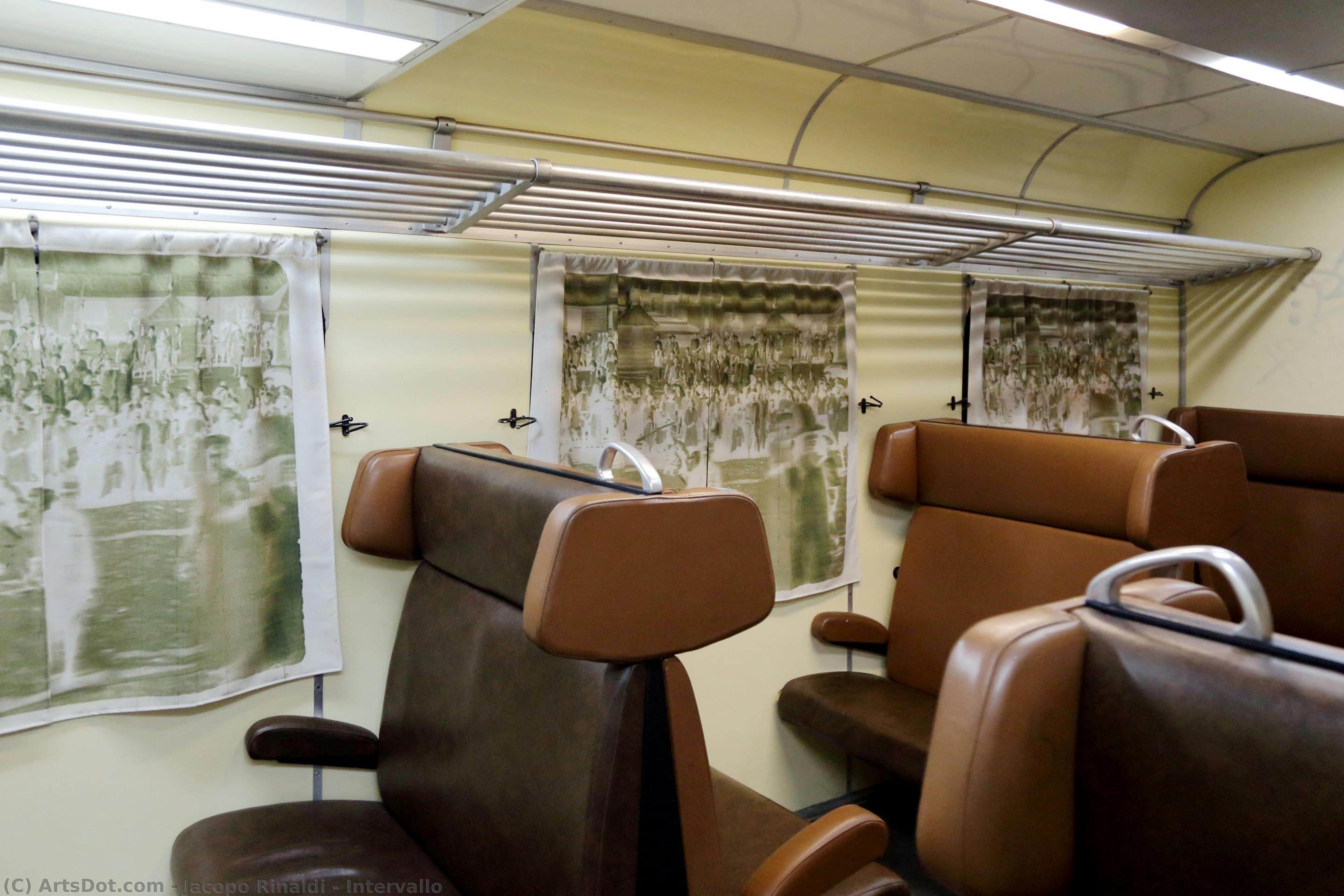
Rinaldi’s artistic trajectory has been marked by a growing recognition within the contemporary art world. His participation in residency programs has allowed him to expand his research into new territories, fostering collaborations and deepening his engagement with diverse cultural contexts. The exhibition *Intervallo*, for example—a captivating moving installation blending archive footage and train nostalgia—demonstrates his ability to evoke powerful emotional responses through subtle yet evocative juxtapositions. His work was featured in the ninth edition of *Portfolio* at the Quadriennale di Roma, a significant platform for emerging Italian artists. The piece presented there, *iio sono un disgraziato il mio destino è di morir in prigione strangolato*, exemplifies his critical approach to historical memory and the problematic categorization of individuals based on physical characteristics. This achievement, along with numerous other solo and group exhibitions, underscores his growing influence within the Italian art scene.
Historical Significance and Future Directions
Jacopo Rinaldi’s work occupies a unique space within contemporary artistic discourse. He isn't simply an artist who *uses* archives; he is an artist who interrogates the very foundations of archival practice—its power structures, its biases, and its inherent limitations. His exploration of memory, time, and image resonates with broader theoretical concerns surrounding post-structuralism, critical history, and the construction of identity. By challenging conventional notions of historical representation, Rinaldi invites viewers to become active participants in the process of meaning-making, questioning the narratives they have been taught and seeking out alternative perspectives. As he continues to develop his practice, it is likely that his work will continue to push boundaries, prompting critical reflection on the complexities of our shared past and its enduring impact on the present. His dedication to research, combined with a keen sensitivity to aesthetic form, positions him as a significant voice in contemporary Italian art—an artist whose work promises to provoke thought and inspire dialogue for years to come.

 Kjøp trykk





 Forhåndsvisning
 Send
Send Del med andre
 Vis detaljer

 Last ned bildet
 Liknende objekter
 Røntgenundersøkelse
 Lysbildefremvisning

 Vis hele teksten


