Bestill trykk Bestill trykkKjøp digitalt bilde Kjøp digitalt bilde SendSend
Vis detaljerVis detaljer Legg til i favoritter Legg til i favoritter Last ned bildetLast ned bildet Liknende objekterLiknende objekter RøntgenundersøkelseRøntgenundersøkelse LysbildefremvisningLysbildefremvisning

Flamingo Capsule

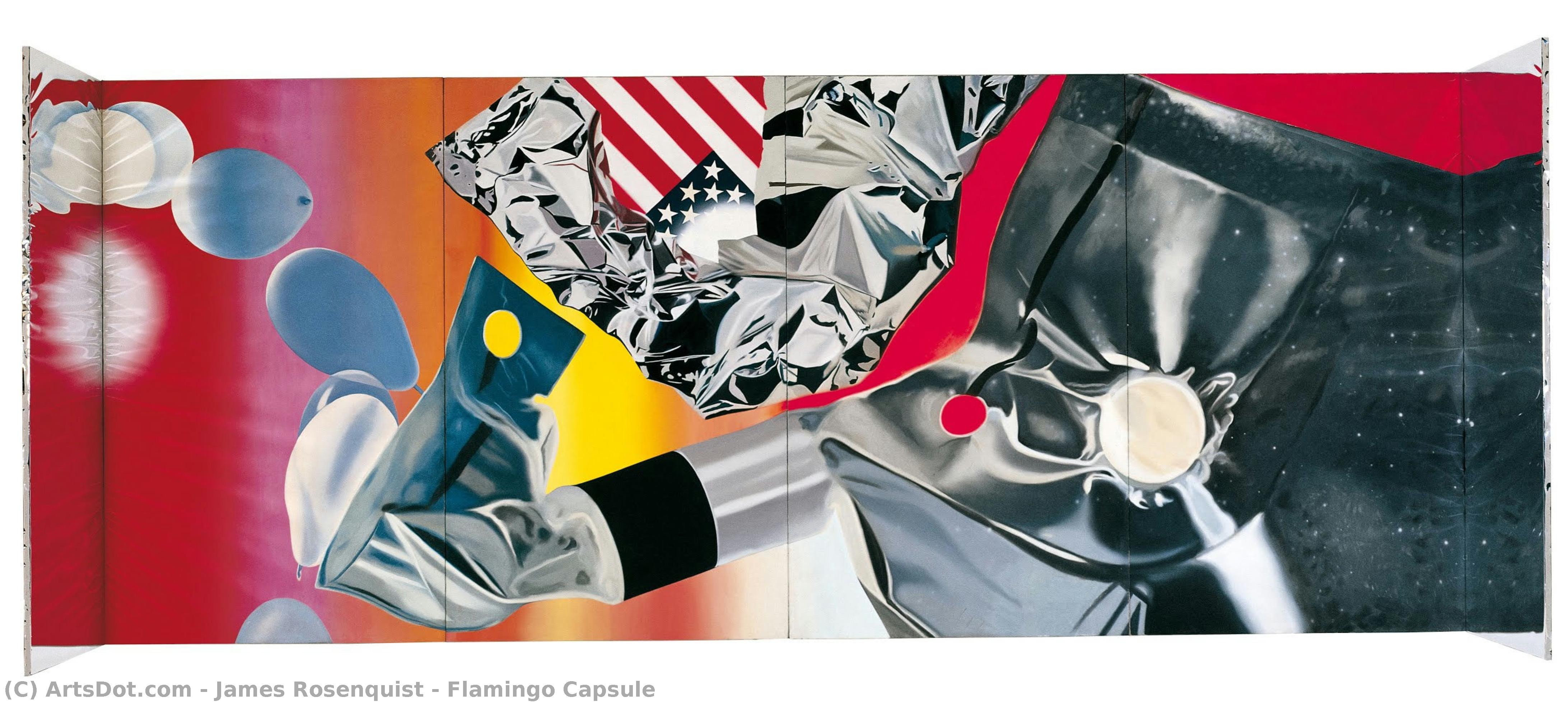
James Rosenquist’s *Flamingo Capsule* (1970) is a striking canvas featuring a flamingo encased in aluminum foil, alongside balloons, a food bag, and a flag uniform. Measuring over 26 meters long, this artwork embodies Pop Art's fascination with technology and space exploration while presenting an enigmatic composition.

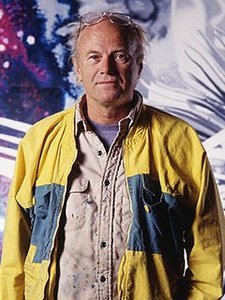
James Rosenquist (1933-2017) var en amerikansk kunstner kjent for sine monumentale malerier som blander reklamebilder, surrealisme og amerikansk kultur til fengslende visuelle fortellinger. Hans innovative bruk av fragmenterte bilder og store skalaer gjør ham til en viktig figur i popkunstbevegelsen.

Håndlaget oljereproduksjon

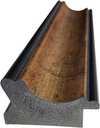
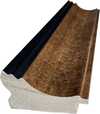
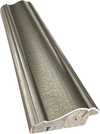
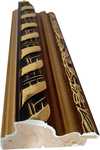
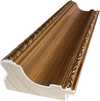
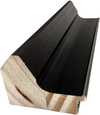
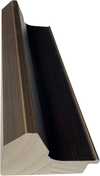
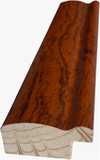
Håndmalt olje på lerret i din valgte størrelse og ramme, laget på bestilling av våre kunstnere.
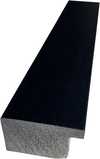
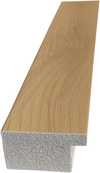
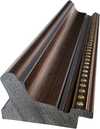
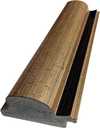
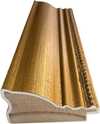
P118B $10
P118H $10
P118W $10
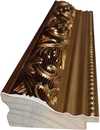
P438Z $10
P508JH $12
P508YH $12
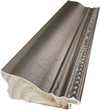
P805H $10
P805Z $10
P919BZ $10
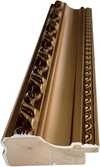
P919G $10
P919XJ $10
P959ZH $10
P968JZ $12
W106C $8
W218G $10
W218JH $8
W218Y $10
W307PJ $10
W316G $10
W316PJ $8
W316Y $10
W398PJ $8
W4111J $10
W500HY $15
W500JH $15
W692G $12
W849H $8
W940BG $15
W953PJ $8

Standard
custom
CM
INCH

Velg mellom våre forhåndsdefinerte størrelser som bevarer kunstverkets opprinnelige proporsjoner.

bredde
høyde

Du kan angi egne mål for å tilpasse en spesifikk ramme eller plass. Dersom den valgte størrelsen ikke samsvarer med originalbildets proporsjoner, vil vi enten beskjære kunstverket eller utvide maleriet med ytterligere håndmalte elementer. En digital mockup vil bli sendt til din godkjenning før produksjonen starter.
Vennligst merk at forhåndsvisningen på skjermen ikke gjenspeiler den faktiske beskjæringen eller utvidelsen. Kun mockuppen vil vise den endelige komposisjonen nøyaktig.
Selv om tilpassede størrelser er tilgjengelige, anbefaler vi å velge et mål fra den forhåndsdefinerte listen for å bevare de originale proporsjonene.

Eksempler på hva som kan endres: Erstatt ansikt med bilde av kunden; Legg til kjæledyr (f.eks. bytt ut katt med hund); Inkluder en skjult melding i bakgrunnen; Endre bakgrunnslandskap eller elementer.
Etter bestilling vil BuyPopArt.com-teamet sende e-post til kunden for instruksjoner og sende et utkast (mockup) som forhåndsvisning.

Verdensomspennende levering () på 3–4 uker i stedet for standard 5 uker. (16 July). Ingen kompromisser med kvaliteten.

why_choose_icon
Gratis ekspressfrakt over hele verden
why_choose_icon
Lerretsduk av høykvalitets lin
why_choose_icon
Full forsikring under transport
why_choose_icon
Garanti for refusjon av toll og importavgifter
why_choose_icon
Garantert korrekt fargegjengivelse
why_choose_icon
60 dagers returrett (kun ved feil)
why_choose_icon
100% pengene tilbake-garanti
why_choose_icon
Rabatt ved flere kjøp

Totalpris for bestilling

-

reproduction

Flamingo Capsule

Teknikk for reproduksjon

Størrelse på reproduksjon

-

Endelig pris

-

Kunstighetsquiz

Det er kun ett riktig svar på hvert spørsmål.

Spørsmål 1:
What artistic movement is James Rosenquist primarily associated with?
Spørsmål 2:
The painting *Flamingo Capsule* commemorates a significant event in American history.
Spørsmål 3:
What material is used to create the end panels of *Flamingo Capsule*, enhancing its visual impact?
Spørsmål 4:
The composition of *Flamingo Capsule* reflects Rosenquist's fascination with:
Spørsmål 5:
What is the overall stylistic approach of James Rosenquist?

Beskrivelse av kunstverket

Flamingo Capsule: A Monumental Reflection on Tragedy and Technological Ambition

James Rosenquist’s *Flamingo Capsule*, completed in 1970, stands as a striking testament to the artist's fascination with both the mundane realities of American culture—specifically advertising—and the profound implications of space exploration. Measuring an impressive 290 x 701 x 98.5 cm, this monumental canvas commands attention and invites contemplation on themes of loss, resilience, and the relentless march of progress. Rosenquist’s approach to artmaking was deliberately antithetical to the prevailing Abstract Expressionist movement; he eschewed spontaneity for meticulous planning, employing techniques borrowed from sign painting—a craft rooted in precision and repetition—to create a visual language that simultaneously celebrates and critiques the dominant aesthetic sensibilities of his time.
  • Style: Rosenquist’s work embodies New Realism, rejecting illusionistic representation in favor of fragmented imagery and collage-like compositions. This stylistic choice aligns with his broader interest in blurring the boundaries between art and everyday life, mirroring the pervasive influence of commercial culture on the visual landscape.
  • Technique: The painting utilizes oil paint on canvas combined with aluminized Mylar panels—a material commonly employed in aerospace applications—to achieve a remarkable textural effect. Rosenquist meticulously applied pigment to create layered surfaces that capture subtle variations in color and tone, while the aluminized Mylar adds reflectivity, extending the visual scope of the artwork beyond its physical dimensions.
  • Historical Context: *Flamingo Capsule* emerged during a period marked by intense optimism regarding space exploration following Sputnik’s launch in 1957. Rosenquist deliberately referenced this pivotal moment in history—the tragic Apollo 1 fire—incorporating imagery associated with NASA and the American flag into his composition.
The artwork's visual narrative is characterized by a deliberate juxtaposition of disparate elements: crumpled foil bearing the emblem of the United States Air Force, a distorted food bag, and a balloon drifting upwards against a fiery red and yellow backdrop. These objects are not merely decorative additions; they serve as symbolic representations of various facets of American society—military might, consumerism, and aspiration—all rendered in monumental scale. Rosenquist’s masterful manipulation of perspective and color contributes to the painting's unsettling yet captivating atmosphere, prompting viewers to confront questions about mortality, ambition, and the precariousness of human endeavor. Symbolism: The flamingo itself is a recurring motif in Rosenquist’s oeuvre, representing both beauty and vulnerability—a paradoxical emblem that encapsulates his artistic preoccupation with confronting uncomfortable truths amidst dazzling visual spectacle. The aluminized Mylar panels amplify this duality, reflecting not only the painted surface but also mirroring the viewer's gaze, thereby inviting an active engagement with the artwork’s emotional core. Emotional Impact: *Flamingo Capsule* transcends mere aesthetic appreciation; it compels viewers to contemplate the complexities of human experience—the collision between dreams of grandeur and the inevitability of loss. Rosenquist’s deliberate fragmentation of imagery forces us to confront unsettling realities while simultaneously celebrating the enduring power of artistic innovation. It remains a poignant reminder that even amidst technological advancement, we are fundamentally tethered to our own mortality and burdened by the responsibility to grapple with profound existential questions.
  • Recommended Reproduction Size: For optimal visual impact, consider reproducing *Flamingo Capsule* in a large format—approximately 30 x 60 inches—to capture the painting’s monumental scale and textural richness.
  • Interior Design Considerations: The artwork's bold color palette and dynamic composition lend themselves particularly well to contemporary interior spaces characterized by minimalist aesthetics and geometric forms.
Ultimately, James Rosenquist’s *Flamingo Capsule* stands as a timeless masterpiece—a compelling fusion of artistic vision, technical prowess, and intellectual engagement that continues to resonate with audiences today.

Om kunstneren

James Rosenquist (1933–2017): A Pioneer of Pop Art

James Rosenquist stands as one of the most influential figures in American art from the latter half of the 20th century, though he resisted easy categorization. Born November 29, 1933, in Grand Forks, North Dakota—the only child of Swedish parents Louis and Ruth Rosenquist—his upbringing was marked by constant movement as his family pursued work wherever it led, eventually settling in Minneapolis, Minnesota. This nomadic existence instilled in young James a unique perspective, an awareness of the transient nature of imagery and experience that would profoundly shape his artistic vision. His mother, herself a painter, nurtured his early artistic inclinations, recognizing and fostering a talent destined for greatness. A scholarship to the Minneapolis School of Art during junior high school provided initial formal training, followed by studies at the University of Minnesota from 1952 to 1954. However, it was a 1955 move to New York City on an Art Students League scholarship that truly propelled him onto his artistic trajectory in motion. There, under the tutelage of Edwin Dickinson and George Grosz, he initially explored abstract expressionism—laying a foundational understanding of technique while simultaneously forging a path distinct from prevailing trends. Early struggles led him to work as a chauffeur before joining the International Brotherhood of Painters and Allied Trades—a pragmatic step that unexpectedly enriched his artistic development.
  • Early Life and Artistic Beginnings
  • Education at Minneapolis School of Art and University of Minnesota
  • The Influence of Commercial Painting: Times Square Billboards
  • A Breakthrough with Surrealism and Pop Art
  • Recognition and Legacy
From 1957 to 1960, Rosenquist honed his craft as a billboard painter for Artkraft-Strauss—a pivotal experience that exposed him to the visual language of advertising. He quickly ascended through the ranks, mastering techniques for manipulating scale, composition, and color to capture attention—skills he would later brilliantly repurpose within the realm of fine art. This wasn’t merely a job; it was an immersion in the world of commercial imagery, a realm brimming with bold colors, fragmented images, and persuasive power. He learned to harness the dynamism of billboards, recognizing their ability to communicate messages quickly and effectively—a skill that would prove invaluable for his subsequent artistic endeavors. The tragic death of a friend during a scaffolding accident spurred him to abandon commercial work entirely, dedicating himself fully to personal artistic projects—a decision that liberated him from constraints and allowed him to pursue his creative passions with unwavering conviction. His artistic breakthrough arrived in 1965 with the monumental painting *F-111*, created for Leo Castelli Gallery. This sprawling canvas—measuring 10 feet by 86 feet—combined images of a military aircraft with consumer products—creating a jarring commentary on war, technology, and the American dream. The painting’s scale alone was unprecedented, challenging conventional notions of artistic representation and demanding an immersive experience from viewers. It demonstrated Rosenquist's mastery of technique—particularly his ability to execute large-scale murals—and solidified his position as one of the foremost artists of his generation. Simultaneously, he cultivated relationships with fellow Pop artists like Andy Warhol and Roy Lichtenstein—artists who shared a fascination for popular culture and utilized similar visual strategies. Rosenquist’s artistic style was characterized by its distinctive blend of abstraction and collage—a technique that allowed him to explore complex themes while simultaneously disrupting traditional aesthetic conventions. He employed techniques honed during his billboard painting days—manipulating scale, color, and composition to create visually arresting works that captivated audiences worldwide. His canvases became arenas for confronting the pervasive influence of advertising—its ability to overwhelm and disorient—and for questioning accepted narratives about American society. Rosenquist’s legacy extends beyond his individual artworks; he profoundly impacted subsequent generations of artists interested in interrogating the intersection between art, commerce, and popular culture—a testament to his enduring vision and innovative spirit. He championed artists' rights and served on the National Council of the Arts—demonstrating a commitment to artistic freedom and intellectual discourse.
James Rosenquist

James Rosenquist

1933 - 2017 , Nordamerika

Kort om kunstneren

  • Artistic Movement Or Style: Pop Art
  • Artists Or Movements Influenced By This Artist:
    • Andy Warhol
    • Roy Lichtenstein
  • Artists Who Influenced This Artist:
    • Edwin Dickinson
    • George Grosz
  • Date Of Birth: November 29, 1933
  • Date Of Death: March 31, 2017
  • Full Name: James Albert Rosenquist
  • Nationality: Amerikaner
  • Notable Artworks:
    • F-111
    • Target II
  • Place Of Birth: Grand Forks, Nord Dakota
Utforsk kunstverk organisert etter temaer, stiler og kjennetegn.