
ForhåndsvisningForhåndsvisning Se i ARSe i AR Bytt til trykk Bytt til trykkBytt til håndmalt maleri Bytt til håndmalt maleri SendSend
Vis detaljerVis detaljer Legg til i favoritter Legg til i favoritter Last ned bildetLast ned bildet Liknende objekterLiknende objekter RøntgenundersøkelseRøntgenundersøkelse LysbildefremvisningLysbildefremvisning

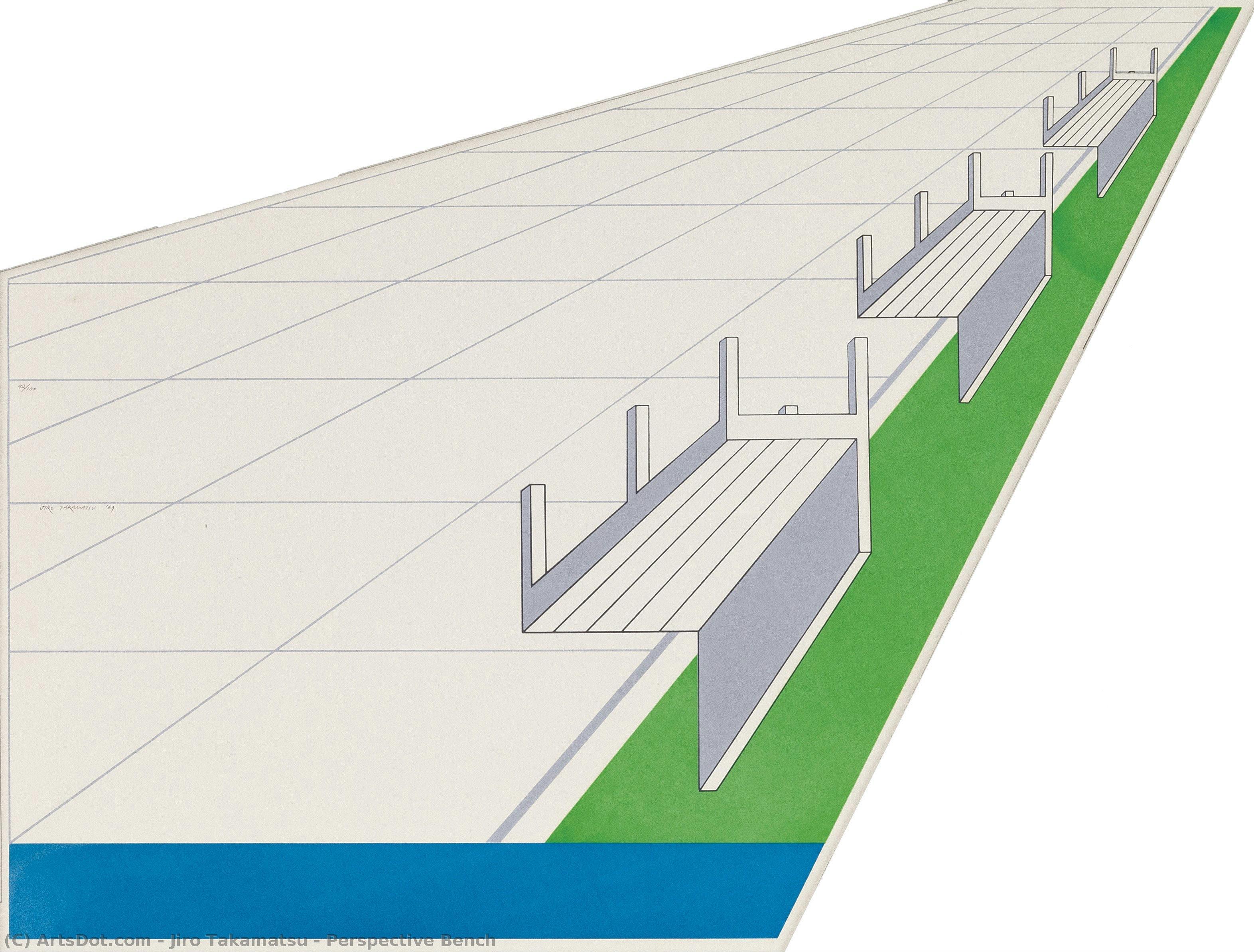
Perspective Bench

Explore Jiro Takamatsu’s ‘Perspective Bench,’ a striking geometric abstraction of a retaining wall. Digital rendering showcases precise lines & muted tones – minimalist, architectural, and captivating.

Explore Jiro Takamatsu's unique art: sculptural shadows, Tokyo cityscapes & Fluxus influence. Post-war Japanese artist known for volume & perspective.

Kjøp et høyoppløselig, forbedret digitalt bilde som er langt bedre enn forhåndsvisningen på nettet.

Hver fil er omhyggelig klargjort av våre egne spesialister ved hjelp av avanserte verktøy og profesjonell manuell retusjering. Vi sørger for at hvert bilde har eksepsjonell klarhet, presis fargegjengivelse og fine detaljer.

Den endelige filen leveres via e-post innen 72 timer, optimalisert for umiddelbar bruk i profesjonelle, redaksjonelle og trykte miljøer. Dette er den samme kvaliteten som benyttes av ledende designstudioer, utgivere og gallerier.

Digitalt bilde

Last ned en høyoppløselig fil for personlig bruk, utskrift og kreative prosjekter. (Bytt til trykk Bytt til trykkBytt til håndmalt maleri Bytt til håndmalt maleri)

Totalbeløp

$9.99

Inkludert i alle bestillinger av digitale bilder

Ekspert digital levering, garantert

Når du velger BuyPopArt.com, får du ikke bare et bilde – du mottar et profesjonelt forbedret digitalt kunstverk, skapt med presisjon og med en garantert tilfredshetsgaranti. Her er alt som automatisk følger med din bestilling:

shipping_icon
Rask digital levering

Din høyoppløselige digitale bildefil sendes til din e-post innen 72 timer etter bestilling – klar til umiddelbar bruk.

canvas_icon
KI-forbedret digital fil

Ditt kunstverk blir profesjonelt optimalisert ved hjelp av avanserte AI-verktøy og manuell redigering, noe som sikrer maksimal detaljrikdom, klarhet og fargegjengivelse.

insurance_icon
Gratis livslang nyutlevering

Har du ved et uhell slettet eller mistet filen din? Ingen bekymring – vi sender den på nytt når som helst, helt gratis.

tax_icon
Ingen importavgifter – noen gang

Nyt ditt kunstverk umiddelbart uten toll, avgifter eller leveringskostnader – digitale nedlastinger er alltid avgiftsfrie.

color_icon
Garantert fargenøyaktighet

Vi sikrer at ditt digitale bilde gjenspeiler de originale fargene så nøyaktig som mulig ved hjelp av profesjonelle verktøy og fargehåndtering.

return_icon
60 dagers tilfredshetsgaranti

Hvis du ikke er fornøyd med ditt digitale bilde, vil vi revidere det eller refundere 100% innen 60 dager – uten spørsmål.

guarantee_icon
100% Penggaranti

Ikke fornøyd? Få full refusjon innen 60 dager etter at du har mottatt din digitale fil – uten spørsmål.

discount_icon
Rabatt ved storkjøp

Kjøp 3 bilder, spar 10% - Kjøp 5, spar 15% - Kjøp 10+, spar 20%. Ideelt for kreative prosjekter, gallerier og byråer.


Om kunstneren

Jiro Takamatsu: Sculptural Shadows and the Poetics of Absence

Jiro Takamatsu (高松 次郎, *Takamatsu Jirō*; 20 February 1936 – 25 June 1998) stands as a pivotal figure in postwar Japanese art, recognized for his radical exploration of materiality, perception, and the very nature of artistic representation. Born in Tokyo in 1936, Takamatsu’s career spanned decades during which he relentlessly interrogated conventional notions of art through groundbreaking sculptural interventions and conceptual explorations rooted in Minimalism and Fluxus. His work transcends mere visual aesthetics; it delves into philosophical inquiries concerning cognition, emptiness, and the limits of human experience—themes that continue to resonate within contemporary artistic discourse. ### Early Life and Artistic Influences Takamatsu’s formative years were marked by exposure to Western art history, notably Cézanne's influence on his early painting studies at Tokyo University of Fine Arts and Music. This intellectual grounding would prove crucial in shaping his subsequent artistic trajectory, informing his engagement with both modernist traditions and the burgeoning avant-garde movements of Japan. Notably, Takamatsu’s participation in the Gutai Art Association alongside fellow artists like Natsuyuki Nakanishi signaled a decisive break from institutional art practices—a commitment to confronting the everyday through performance and unconventional sculptural explorations. The association's ethos of rejecting conventional exhibition spaces and prioritizing direct engagement with materials fueled Takamatsu’s pioneering approach to artistic creation. ### Hi Red Center and Conceptual Art The formation of Hi Red Center in 1963 alongside Genpei Akasegawa and Natsuyuki Nakanishi represents a cornerstone of Takamatsu's artistic legacy. This collective embarked on audacious public interventions—actions designed to disrupt established hierarchies within the art world and challenge viewers’ assumptions about reality—solidifying Takamatsu’s position at the forefront of Fluxus and Conceptual Art. Their collaborative endeavors extended beyond mere artistic production; they actively questioned the role of art in shaping social consciousness, mirroring the broader intellectual currents of the era. The collective's provocative performances underscored Takamatsu’s conviction that art should transcend passive contemplation, demanding active participation from its audience. ### Sculptural Explorations and “Space in Two Dimensions” Takamatsu’s sculptural practice centered on a meticulous investigation into the fundamental properties of materials—particularly wood—and their relationship to space. His series "Shadow Paintings" (1964–1982), arguably his most enduring contribution, exemplifies this preoccupation with materiality and perception. Takamatsu meticulously crafted sculptures that captured fleeting shadows cast by objects against walls, transforming these seemingly insignificant visual phenomena into meditations on emptiness and the elusive nature of representation. These works challenged viewers to reconsider their understanding of form and space—to recognize that “absence” could be as potent a creative force as visible presence. The artist’s exploration of sculptural voids mirrored his broader philosophical concerns regarding cognition and perception, reflecting the influence of Zen Buddhism and Western Minimalism. ### Legacy and Recognition Jiro Takamatsu's impact on Japanese art history is undeniable—his pioneering approach to Conceptual Art and Sculpture cemented his place among the most influential artists of the postwar period. Exhibitions showcasing his oeuvre at institutions globally including The Guggenheim Museums and Foundation, Fergus McCaffrey Gallery, Pace Gallery and David Roberts Art Foundation have solidified his reputation as a visionary artist who pushed boundaries of artistic expression. Takamatsu’s work continues to inspire contemporary artists grappling with questions of materiality, perception, and the role of art in confronting existential realities—a testament to his enduring intellectual and aesthetic significance.
jiro takamatsu

jiro takamatsu

1936 - 1998 , Japan

Kort om kunstneren

  • Artistic Movement Or Style: Postwar Japanese Art; Conceptual Art; Mono-Ha
  • Artists Or Movements Influenced By This Artist: ['Conceptual Art']
  • Artists Who Influenced This Artist:
    • Paul Cézanne
    • Sesshū Tōyō
  • Date Of Birth: February 20, 1936
  • Date Of Death: June 25, 1998
  • Full Name: Jiro Takamatsu
  • Nationality: Japanese
  • Notable Artworks:
    • Perspective Bench
    • Young Woman Jumping From The Kiyomizu Temple Balcony With An Umbrella As A Parachute
  • Place Of Birth: Tokyo, Japan

