

Kjøp et høyoppløselig, forbedret digitalt bilde som er langt bedre enn forhåndsvisningen på nettet.
Hver fil er omhyggelig klargjort av våre egne spesialister ved hjelp av avanserte verktøy og profesjonell manuell retusjering. Vi sørger for at hvert bilde har eksepsjonell klarhet, presis fargegjengivelse og fine detaljer.
Den endelige filen leveres via e-post innen 72 timer, optimalisert for umiddelbar bruk i profesjonelle, redaksjonelle og trykte miljøer. Dette er den samme kvaliteten som benyttes av ledende designstudioer, utgivere og gallerier.
Last ned en høyoppløselig fil for personlig bruk, utskrift og kreative prosjekter. ( Kjøp trykk Kjøp håndlaget maleri)
Når du velger BuyPopArt.com, får du ikke bare et bilde – du mottar et profesjonelt forbedret digitalt kunstverk, skapt med presisjon og med en garantert tilfredshetsgaranti. Her er alt som automatisk følger med din bestilling:

Din høyoppløselige digitale bildefil sendes til din e-post innen 72 timer etter bestilling – klar til umiddelbar bruk.

Ditt kunstverk blir profesjonelt optimalisert ved hjelp av avanserte AI-verktøy og manuell redigering, noe som sikrer maksimal detaljrikdom, klarhet og fargegjengivelse.

Har du ved et uhell slettet eller mistet filen din? Ingen bekymring – vi sender den på nytt når som helst, helt gratis.

Nyt ditt kunstverk umiddelbart uten toll, avgifter eller leveringskostnader – digitale nedlastinger er alltid avgiftsfrie.

Vi sikrer at ditt digitale bilde gjenspeiler de originale fargene så nøyaktig som mulig ved hjelp av profesjonelle verktøy og fargehåndtering.

Hvis du ikke er fornøyd med ditt digitale bilde, vil vi revidere det eller refundere 100% innen 60 dager – uten spørsmål.

Ikke fornøyd? Få full refusjon innen 60 dager etter at du har mottatt din digitale fil – uten spørsmål.

Kjøp 3 bilder, spar 10% - Kjøp 5, spar 15% - Kjøp 10+, spar 20%. Ideelt for kreative prosjekter, gallerier og byråer.
Mark Rothko’s “No. 3” isn’t a painting that shouts; it whispers. It’s an invitation to quiet contemplation, a deliberate rejection of representational art in favor of pure emotional expression. Created during the heart of his mature style – roughly between 1949 and 1970 – this work embodies the core tenets of Abstract Expressionism while simultaneously forging its own unique path. The piece immediately draws the viewer into a space of profound introspection, utilizing a muted color palette dominated by deep blues, blacks, and greens layered over an orange foundation. It’s not simply a collection of colors; it's a carefully orchestrated symphony of tones designed to evoke a specific mood – one of melancholy, solitude, and perhaps even a touch of existential longing.
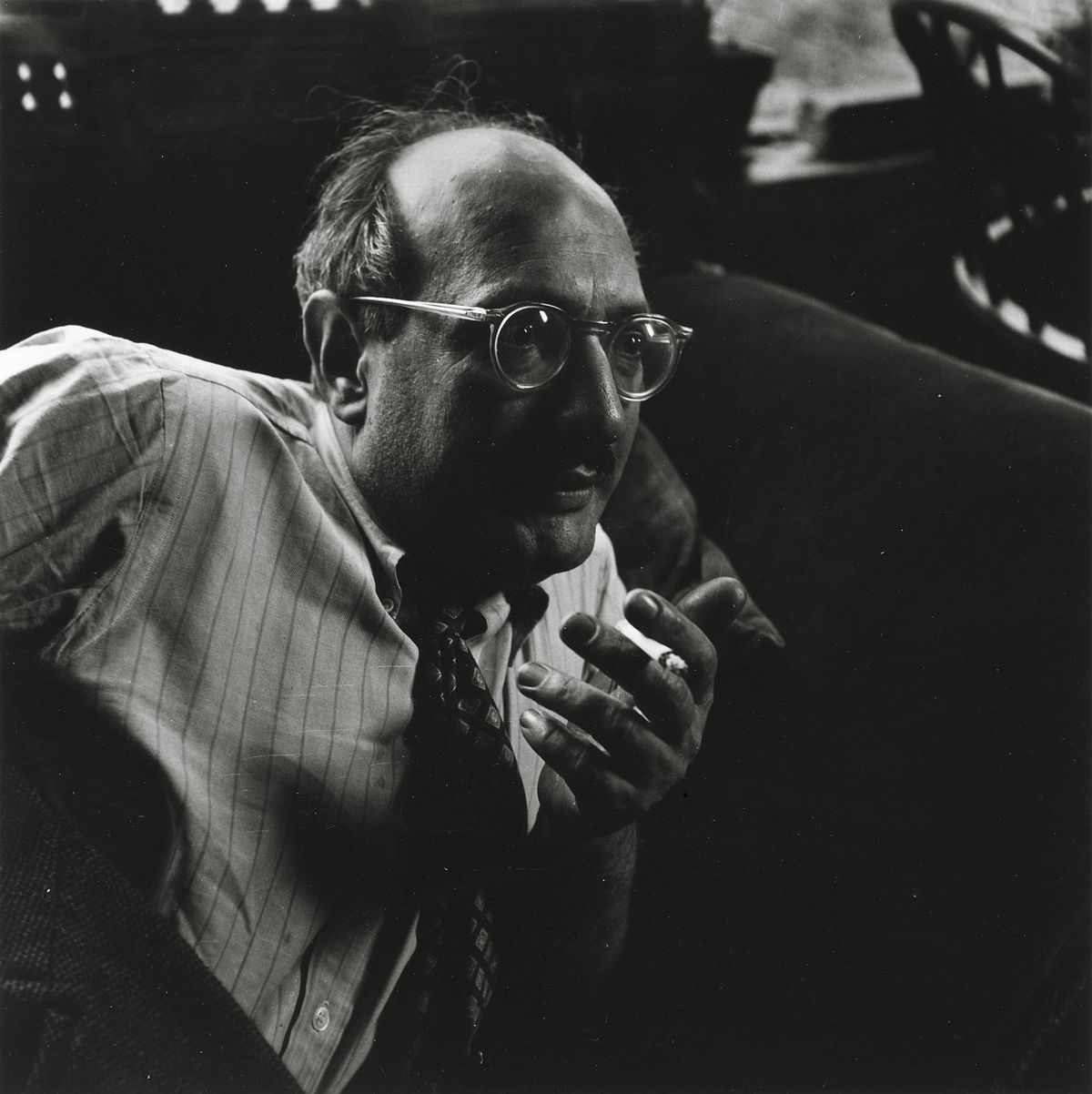
The power of “No. 3” lies not in its subject matter – which is deliberately ambiguous, hinting at figures or forms rather than explicitly depicting them – but in the meticulous execution of Rothko’s technique. Thick, layered brushstrokes are visible throughout the canvas, creating a tactile surface that invites close examination. These aren't sharp lines or defined edges; instead, they bleed into one another, blurring the boundaries between shapes and colors. This layering is crucial to the painting’s depth – it creates an illusion of space, drawing the eye inward and encouraging the viewer to lose themselves within the composition. Rothko famously described his paintings as “doors” or “windows,” suggesting a portal into another realm. Here, those doors are open, offering glimpses of something beyond the purely visual.
The deliberate lack of perspective is equally significant. Rothko abandoned traditional notions of linear space, opting instead for an implied sense of depth through color and layering. The overlapping forms create a dynamic interplay of positive and negative space, guiding the viewer’s eye across the canvas in a continuous, almost meditative, flow. It's a technique that mirrors the artist’s own exploration of spirituality and the search for meaning beyond the material world.
Understanding Mark Rothko requires acknowledging his deeply personal journey. Born in 1903 in Daugavpils, Latvia (then part of the Russian Empire), he experienced a childhood marked by displacement and uncertainty – a legacy of shifting borders, pogroms, and the trauma of immigration to Portland, Oregon, where his father, a pharmacist and intellectual, tragically died shortly after their arrival. This early exposure to loss and instability profoundly shaped Rothko’s artistic vision. He grappled with themes of mortality, faith, and the human condition throughout his career, seeking to express universal emotions through abstract forms. His work during this period reflects a deep engagement with existential questions – questions about life, death, and the search for meaning in an often-chaotic world.
The Rothko Chapel in Houston, Texas, serves as a poignant example of how the artist envisioned his paintings interacting with space. The fourteen Rothko panels within the chapel’s walls are designed to create a contemplative atmosphere, inviting viewers to engage in silent reflection. “No. 3” shares this spirit of quiet intensity, offering a visual meditation on the complexities of human experience.
While Rothko resisted definitive interpretations of his work, certain symbolic readings have emerged over time. The dominant blues and blacks are often associated with sadness, mourning, or introspection – reflecting the artist’s own personal struggles. The orange hue, appearing as a subtle undercurrent, can be seen as representing hope, warmth, or even spiritual illumination. The ambiguity of the forms themselves allows for individual interpretation, inviting each viewer to project their own emotions and experiences onto the canvas. “No. 3” is not simply a painting; it’s an emotional landscape – a space where the viewer becomes an active participant in the creation of meaning.
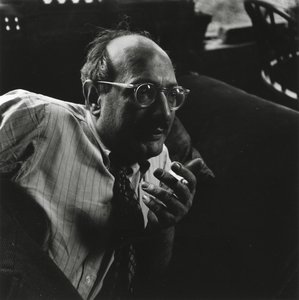
1903 - 1970 , Latvia


Hold deg oppdatert med de siste kunstnyhetene, eksklusive tilbud og dekorasjonsideer.
Fortell oss om prosjektet ditt, så vil våre kunsteksperter gi deg 3 personlige kunstforslag.
Vi velger ut 3 alternativer kun for deg – helt gratis!


 Forhåndsvisning
 Send
Send Del med andre
 Vis detaljer

 Last ned bildet
 Liknende objekter
 Røntgenundersøkelse
 Lysbildefremvisning

 Vis hele teksten